
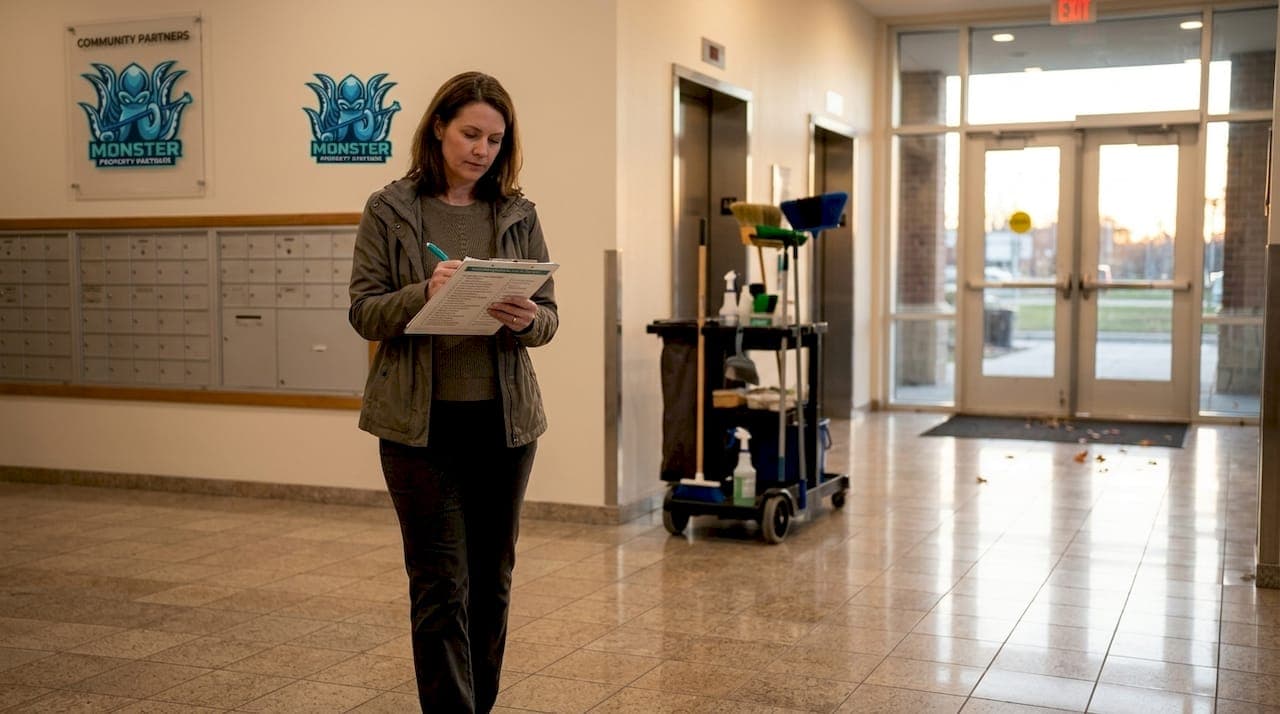
Skipping routine cleaning in common areas might seem like a smart way to trim the budget, but the real cost hits you in ways most owners never see coming. Turnover alone costs $4,500+ per unit, and neglected spaces accelerate vacancy cycles, drag down appraisal values, and quietly erode your reputation with prospective tenants. This guide breaks down exactly how consistent cleaning protects your investment, what the data says about tenant behavior, and the practical steps you can take right now to build a cleaning program that pays for itself.
Table of Contents
- Preserving property value through routine cleaning
- Increasing tenant satisfaction and retention
- Lowering operational expenses and turnover costs
- Best practices for common area cleaning in multifamily properties
- A property manager's perspective: What most guides forget about cleaning common areas
- Partnering for cleaner, more valuable properties
- Frequently asked questions
Key Takeaways
| Point | Details |
|---|---|
| Maintains property value | Routine cleaning prevents expensive damage and keeps your assets in top condition. |
| Boosts tenant satisfaction | Clean common areas are a leading factor in renewing leases and reducing vacancies. |
| Cuts turnover costs | A clean property dramatically lowers repair and marketing outlays when tenants move out. |
| Enables proactive management | Detailed cleaning plans and professional vendors offer measurable, consistent quality. |
Preserving property value through routine cleaning
Every surface in your building is either gaining value or losing it. There is no neutral. Dirt, grime, and moisture work against flooring, paint, HVAC filters, and structural materials every single day. The damage is slow, invisible, and expensive when it finally shows up.
Routine cleaning preserves property value by preventing damage to floors, carpets, walls, and HVAC systems. One of the most striking examples: commercial carpet lifespan jumps from 5 to 10 years with proper care. That is a 100% increase in asset life from consistent maintenance alone. Multiply that across an entire building and the numbers become significant fast.
Here is a quick look at how cleaning frequency affects asset lifespan and cost:
| Asset | Without routine cleaning | With routine cleaning |
|---|---|---|
| Commercial carpet | 5 years | 10 years |
| Exterior paint | 4 to 6 years | 8 to 12 years |
| HVAC filters | Replace every 1 to 2 months | Replace every 3 months |
| Concrete walkways | Cracking within 5 years | 15+ years with sealing |
Beyond asset lifespan, cleanliness directly affects what your property is worth on paper. Appraisers and lenders take condition into account. A building that looks maintained signals low deferred maintenance risk, which translates to a stronger valuation. The benefits for property value go beyond aesthetics. They affect your cap rate, your refinancing options, and your ability to command premium rents.
Key areas where routine cleaning delivers the highest return:
- Lobbies and entryways: First impressions drive leasing decisions and renewal confidence
- Stairwells and breezeways: High-traffic zones that accumulate grime and safety hazards quickly
- Parking lots and walkways: Exterior cleanliness impact on curb appeal is immediate and measurable
- Pool decks and amenity areas: Premium amenities lose their appeal fast without consistent upkeep, and amenity cleaning insights show how quickly these spaces deteriorate without a schedule
Pro Tip: Schedule deep cleans for high-wear zones like lobbies, breezeways, and pool decks at least quarterly. These areas carry the heaviest traffic and show wear fastest, making them the highest-ROI targets for your cleaning budget.
With the high stakes for property value in mind, let's look at how cleaning schedules also shape the people living in your building.
Increasing tenant satisfaction and retention
Tenant satisfaction is not just a feel-good metric. It is a financial one. When residents feel proud of where they live, they renew. When they feel embarrassed or frustrated by dirty shared spaces, they leave. And they tell others.
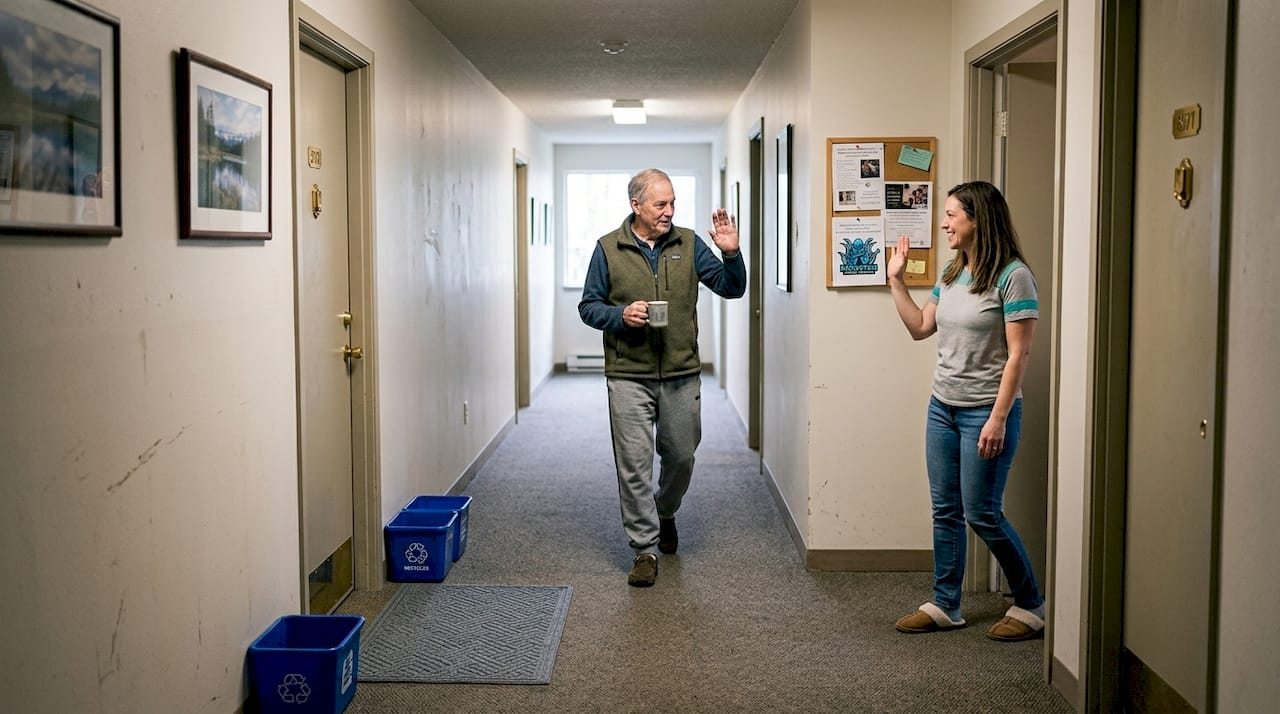
Cleanliness ranks at the top of resident satisfaction surveys alongside maintenance responsiveness and security. What is less obvious is the timing. The first 90 days after move-in are the most critical window for predicting whether a tenant will renew. If they experience a clean, well-maintained environment from day one, the psychological anchor is set. If they move in and find dirty hallways and stained laundry rooms, that impression is nearly impossible to reverse.
Here is how clean versus neglected properties compare across key performance indicators:
| Metric | Clean property | Neglected property |
|---|---|---|
| Lease renewal rate | 65 to 75% | 40 to 55% |
| Tenant satisfaction score | High | Low to moderate |
| Average vacancy duration | 2 to 4 weeks | 6 to 10 weeks |
| Rent premium potential | 3 to 7% above market | At or below market |
The turnover cost of $4,500+ per unit makes every renewal worth fighting for. Clean properties reduce vacancies, support higher rents, and cut the marketing and repair costs that stack up between tenants.
What does cleaning boost retention look like in practice? It means residents are not filing complaints about shared spaces. It means fewer negative online reviews. It means word-of-mouth referrals instead of reputation damage.
"When residents feel good about their building, they act like owners. They pick up after themselves, they refer friends, and they renew without negotiating. That all starts with what they see when they walk through the front door."
One often-overlooked factor is communicating during cleaning. Letting residents know when and why cleaning is happening builds trust and shows that management is proactive, not reactive.
Beyond tenant satisfaction, regular cleaning has a powerful effect on ongoing operational costs.
Lowering operational expenses and turnover costs
Property managers who treat cleaning as overhead are missing the bigger picture. Cleaning is not a cost center. It is a cost-reduction strategy.
The math is straightforward. Each unit turnover costs $4,500+ when you factor in lost rent, cleaning, repairs, marketing, and leasing fees. A property with 50 units and a 30% annual turnover rate is burning through $67,500 per year in turnover costs alone. Improve retention by just 10 percentage points and you save over $22,000 annually. A consistent cleaning program costs a fraction of that.
Here is a breakdown of where cleaning-driven savings show up:
- Reduced repair frequency: Grime and moisture accelerate wear on surfaces. Regular cleaning catches problems before they become replacements.
- Lower marketing spend: Well-maintained properties fill faster through referrals and strong online reviews, reducing paid advertising needs.
- Faster unit turns: When common areas are already clean, unit turnovers are faster and cheaper because the overall impression is already positive.
- Fewer emergency fixes: Preventive cleaning reduces the likelihood of drain clogs, HVAC failures, and slip-and-fall incidents that trigger costly emergency calls.
- Higher rent premiums: Sustainable cleaning savings compound over time as well-maintained properties justify 3 to 7% rent premiums above comparable neglected buildings.
Additional operational benefits of consistent cleaning include:
- Reduced liability exposure from hazards like wet floors, mold, and debris
- Lower insurance claim frequency, which can affect premium rates over time
- Stronger negotiating position when refinancing or selling the property
- Improved staff morale and efficiency when environments are organized and clean
Stat callout: Properties with structured cleaning programs report up to 3 to 7% higher rents and significantly lower vacancy durations compared to properties without formal maintenance schedules.
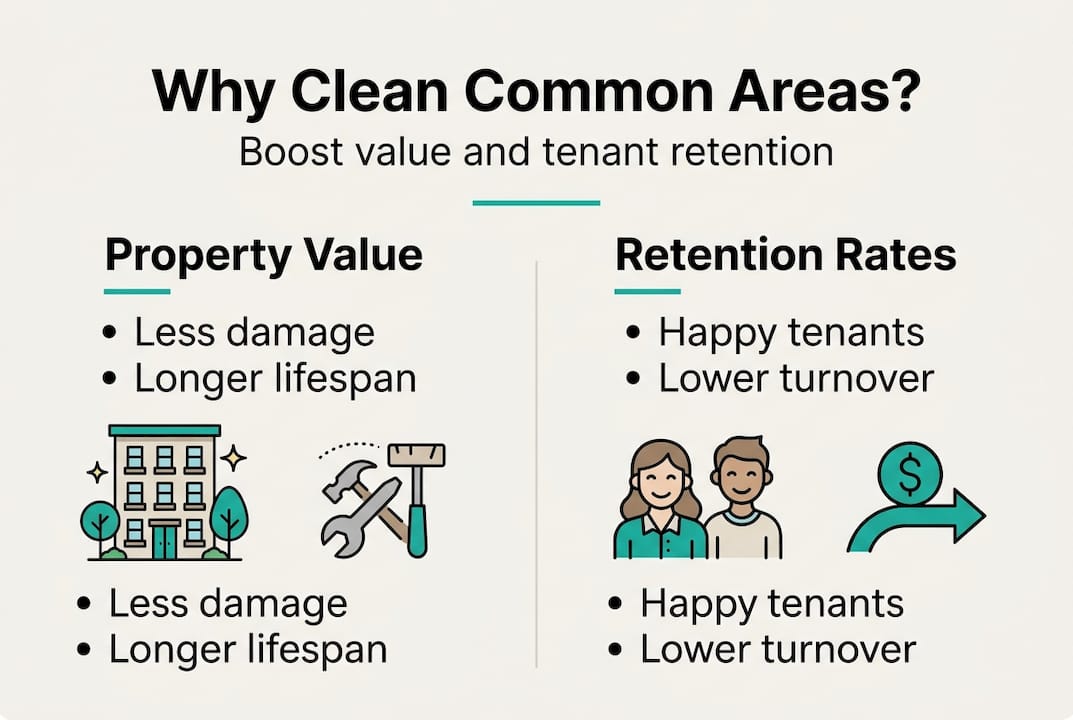
Knowing the stakes and benefits, here is how to put regular cleaning routines into action.
Best practices for common area cleaning in multifamily properties
A good cleaning program is not just about frequency. It is about structure, accountability, and consistency. The properties that get this right treat cleaning like a system, not a task.
Use SLAs with vendors for measurable performance, zone high-traffic areas for increased frequency, and involve residents through signage and community events to reduce the overall cleaning load. These are not suggestions. They are the operational levers that separate high-performing properties from ones that are always playing catch-up.
Here is a step-by-step framework for building a cleaning program that holds up:
- Map your zones by traffic volume. Lobbies, mailrooms, and laundry areas need daily attention. Parking lots and breezeways may need weekly or bi-weekly service depending on season and usage.
- Write a service-level agreement (SLA) for every vendor. Define what clean means, how it is verified, and what happens when standards are not met. Vague expectations produce inconsistent results.
- Schedule deep cleans on a calendar. Quarterly pressure washing, semi-annual carpet cleaning, and annual exterior washing should be locked into your operating calendar before the year starts.
- Educate residents proactively. Signage, welcome packets, and community newsletters that explain shared-space expectations reduce litter and damage significantly.
- Inspect and document. Walk common areas weekly. Photo documentation creates accountability and helps identify recurring problem spots before they become expensive.
Prioritize prevention with schedules and SLAs over reactive inspection. Resident education cuts litter, and professional services consistently outperform in-house teams for quality and reliability.
Pro Tip: Review your vendor quality tips before signing any cleaning contract. The right vendor relationship is a long-term asset. Also, address slip hazard reduction explicitly in your SLA, especially for breezeways and stairwells where wet surfaces create liability exposure.
A property manager's perspective: What most guides forget about cleaning common areas
Most cleaning guides focus on inspection checklists and vendor comparisons. That is useful, but it misses the real leverage point.
The managers who run the tightest, cleanest properties we work with are not the ones doing the most inspections after the fact. They are the ones who have built systems that prevent messes from accumulating in the first place. Prevention is always cheaper than correction, and that mindset shift changes everything about how you budget and schedule.
Resident engagement is the other piece that almost no guide talks about honestly. When residents feel ownership over their shared spaces, they behave differently. A simple welcome letter explaining community standards, or a quarterly newsletter that acknowledges residents who report issues, can cut your cleaning load measurably.
Finally, the managers who try to save money by rotating through cheap vendors or handling cleaning in-house consistently end up spending more. Regular exterior cleaning done right by a reliable professional partner is not an expense. It is the cheapest form of asset protection available to a property owner.
Partnering for cleaner, more valuable properties
You have seen the data. Cleanliness is not a soft amenity. It is a hard financial driver that affects retention, rent premiums, repair costs, and asset value. The question is not whether to invest in professional cleaning. It is who you trust to do it consistently.
At Monster Property Partners, our team specializes in multifamily exterior cleaning services built specifically for apartment buildings and large multi-family communities. From concrete cleaning services for walkways and parking areas to full exterior programs, we deliver the consistency and reliability that property managers depend on. Learn more about Monster Property Partners and request a consultation to see how we can protect your investment and keep your residents proud of where they live.
Frequently asked questions
How often should common areas in multifamily properties be cleaned?
High-traffic areas should be cleaned daily, with deeper cleans scheduled weekly or monthly based on use and building size. Zone high-traffic areas for increased frequency to keep standards consistent across the property.
Does regular cleaning really impact tenant retention rates?
Yes, cleanliness ranks at the top of resident satisfaction surveys alongside maintenance and security, directly influencing renewal decisions especially within the first 90 days of a new lease.
What is the financial impact of neglecting cleaning in common areas?
Neglecting cleaning increases repair costs, raises vacancy rates, and can cost over $4,500 per turnover, not counting lost rent premiums and higher marketing spend between tenants.
Are in-house cleaning teams or outside vendors better for common areas?
Professional services outperform in-house teams for consistency and are the preferred approach for multifamily properties where standards need to be maintained across large, complex spaces.