
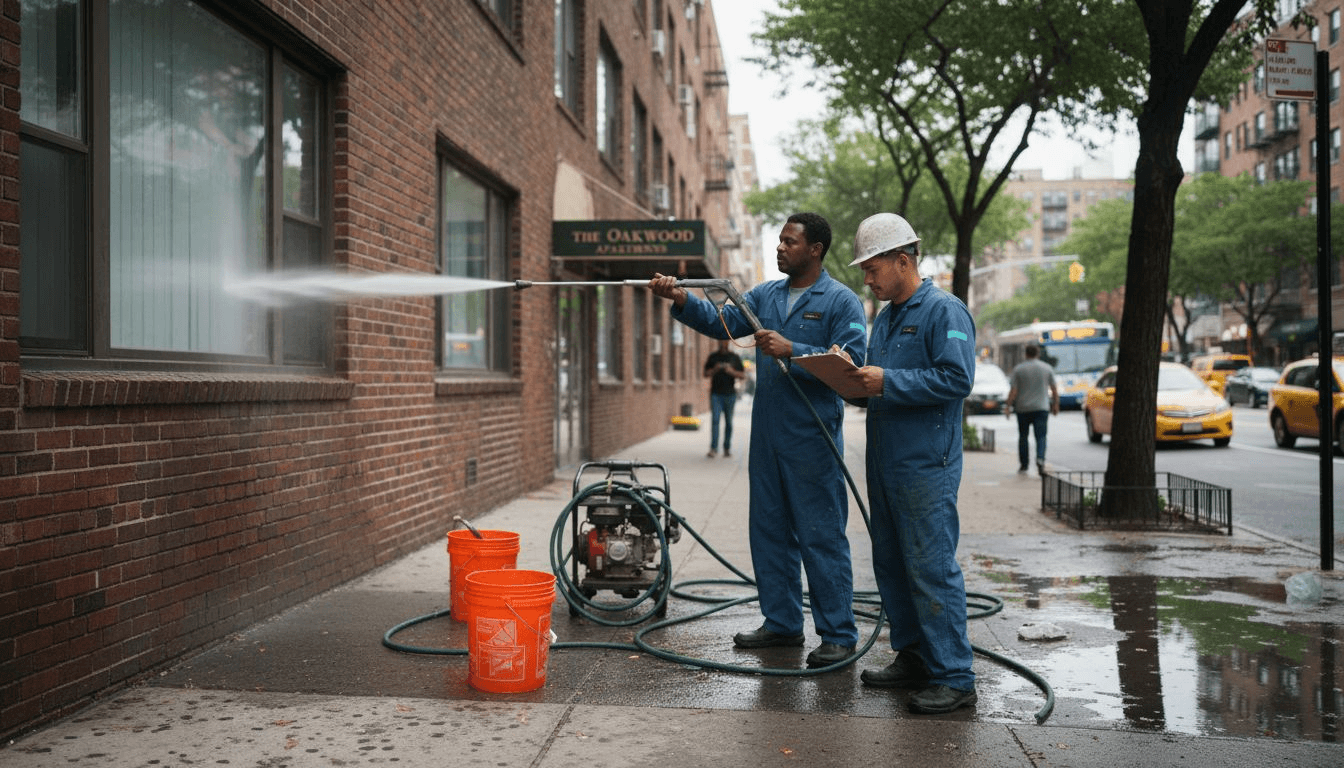
Managing multi-family properties in cities like New York, Chicago, or Los Angeles means battling constant challenges from pollution, weather, and heavy use. The appearance and upkeep of building exteriors go far beyond curb appeal—they directly impact property asset preservation and influence whether tenants want to stay or look elsewhere. Discovering smart, professional exterior cleaning solutions can help protect investments, prevent costly repairs, and improve satisfaction among urban tenants.
Table of Contents
- Defining Exterior Cleaning And Asset Preservation
- Types Of Exterior Cleaning Services For Multi-Family
- Impact On Property Value And Tenant Satisfaction
- Preventing Structural Damage And Long-Term Costs
- Best Practices For Scheduling And Vendor Management
Key Takeaways
| Point | Details |
|---|---|
| Importance of Exterior Cleaning | Systematic exterior cleaning is crucial for preserving property value and structural integrity, not just for aesthetics. |
| Effect on Property Value | Regular professional cleaning can enhance market value, reduce long-term costs, and improve tenant satisfaction. |
| Preventive Strategies | Proactive maintenance through cleaning prevents structural damage and can reduce repair costs by up to 40%. |
| Vendor Management | Establishing clear metrics and maintaining open communication with vendors ensures consistent quality in exterior maintenance. |
Defining Exterior Cleaning and Asset Preservation
Exterior cleaning represents a strategic approach to maintaining property value and structural integrity, far beyond simple aesthetic maintenance. For property managers of multi-family units, understanding this process means protecting significant financial investments through systematic preservation techniques. Property asset preservation involves carefully planned interventions that protect building materials from environmental degradation and potential long-term damage.
The preservation process is fundamentally about protecting structural materials through targeted cleaning methods. As outlined by the U.S. National Park Service's preservation guidelines, effective exterior cleaning requires understanding the specific characteristics of building materials and applying compatible treatment strategies. These strategies are critical for preventing deterioration and maintaining property value.
Key components of comprehensive exterior cleaning include:
- Identifying specific material compositions (brick, stone, concrete, wood)
- Selecting appropriate cleaning techniques based on material sensitivity
- Implementing water-repellent treatments
- Addressing environmental contaminants like mold, algae, and mineral deposits
- Preventing structural damage through proactive maintenance
Successful exterior cleaning isn't just about removing visible dirt—it's a systematic approach to asset management. Property managers must balance aesthetic improvements with material preservation, recognizing that each cleaning intervention has potential long-term consequences for the building's structural integrity.
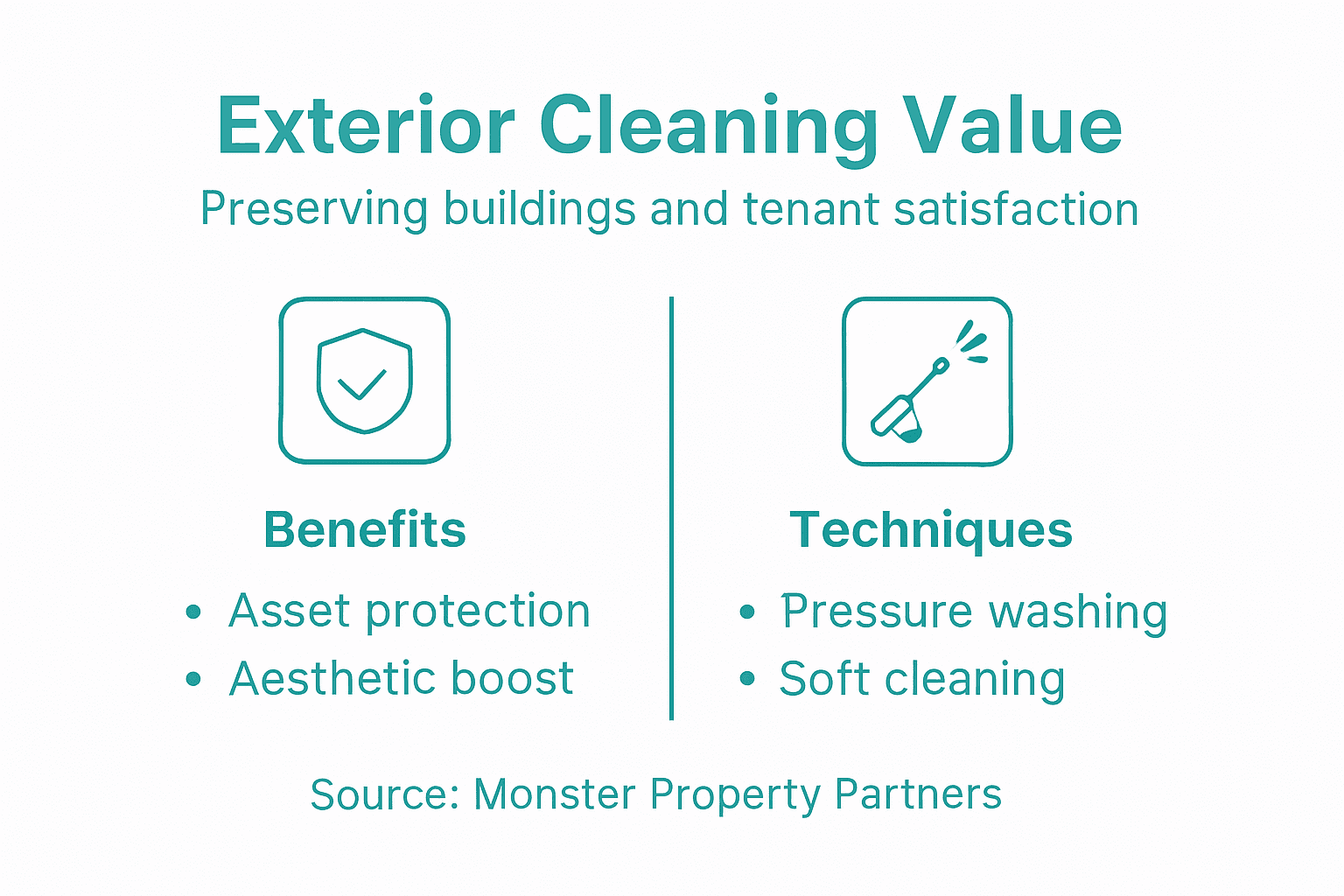
Pro tip: Schedule professional exterior assessments annually to catch potential material degradation before it becomes a costly repair project.
Types of Exterior Cleaning Services for Multi-Family
Professional exterior cleaning for multi-family properties requires a nuanced approach that addresses the diverse cleaning needs of different building surfaces. Professional cleaning techniques have evolved to provide targeted solutions that protect and maintain various exterior materials while effectively removing environmental contaminants.
Multi-family properties typically require a comprehensive range of cleaning services designed to address specific surface characteristics and environmental challenges. Exterior cleaning methods can be broadly categorized into two primary approaches: high-pressure and low-pressure cleaning techniques.
Key exterior cleaning services include:
-
Pressure Washing Services
- Concrete surfaces
- Brick facades
- Stone walkways
- Parking areas
- Dumpster zones
-
Soft Washing Services
- Vinyl siding
- Roof shingles
- Delicate architectural elements
- Wood trim
- Painted surfaces
Each cleaning technique is meticulously designed to remove specific contaminants without causing surface damage. Property managers must carefully select cleaning methods that balance effective dirt and grime removal with the preservation of building materials' structural integrity and aesthetic quality.
Here's a quick comparison of high-pressure and low-pressure exterior cleaning techniques for multi-family properties:
| Aspect | High-Pressure Cleaning | Low-Pressure (Soft) Cleaning |
|---|---|---|
| Typical Surfaces | Concrete, brick, stone | Siding, roofs, painted wood |
| Risk of Surface Damage | Higher, if used improperly | Minimal with correct methods |
| Main Cleaning Purpose | Remove heavy grime, stains | Eliminate mold, algae, delicate dirt |
| Recommended Frequency | Once or twice per year | Could be seasonally or as needed |
| Cost Consideration | Generally lower per session | Slightly higher for delicate areas |
Proper exterior cleaning is an investment in property maintenance that directly impacts asset value and tenant satisfaction.
Pro tip: Develop a comprehensive exterior maintenance schedule that rotates different cleaning techniques based on seasonal environmental conditions and specific surface requirements.
Impact on Property Value and Tenant Satisfaction
Exterior cleaning directly influences property value and tenant perception in multi-family housing markets. Tenant satisfaction research demonstrates a clear correlation between well-maintained exteriors and positive long-term financial outcomes for property managers.
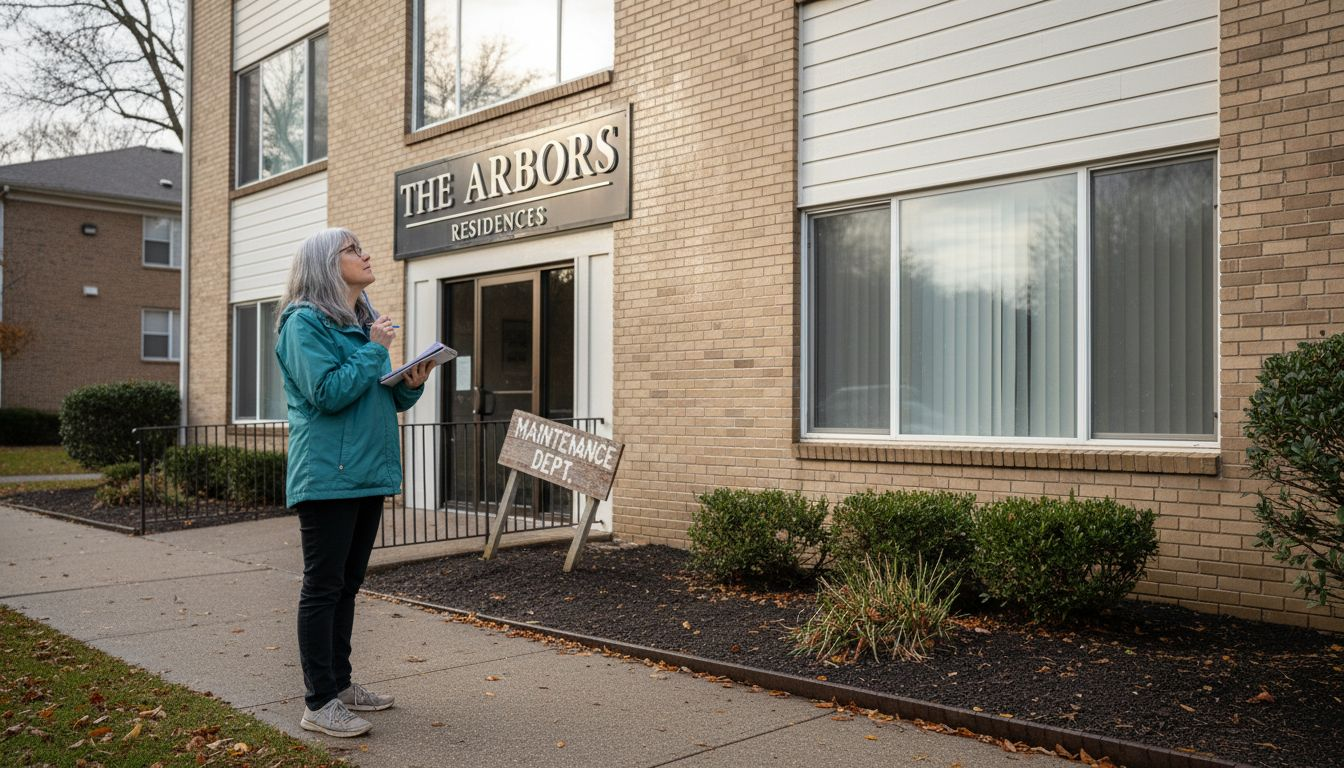
Property value enhancement emerges through strategic exterior maintenance that goes beyond simple aesthetic improvements. Clean, professionally maintained properties signal responsible management, which attracts high-quality tenants and reduces vacancy rates while simultaneously increasing potential market valuation.
Key impacts of consistent exterior cleaning include:
- Increased property market value
- Reduced long-term maintenance costs
- Higher tenant retention rates
- Improved first impressions for potential renters
- Enhanced overall property reputation
The financial implications of exterior maintenance extend far beyond immediate visual appeal. Property managers who invest in systematic cleaning strategies can expect significant returns through reduced repair expenses, extended building material lifecycles, and more stable tenant occupancy.
The table below summarizes key ways exterior cleaning impacts property value and tenant experience:
| Benefit | Effect on Property | Effect on Tenants |
|---|---|---|
| Enhanced appearance | Higher market value | Increased satisfaction |
| Preventive savings | Lower future costs | More stable rent pricing |
| Longer material life | Fewer capital repairs | Reliable living environment |
| Stronger reputation | Eases leasing | Greater tenant retention |
Well-maintained exteriors communicate professionalism and care, directly influencing tenant perceptions and property desirability.
Pro tip: Document and photograph exterior cleaning results to demonstrate ongoing property investment and maintenance commitment to current and prospective tenants.
Preventing Structural Damage and Long-Term Costs
Preventing structural damage requires a proactive approach to exterior maintenance that goes beyond surface-level cleaning. Professional exterior cleaning techniques are critical in mitigating environmental threats that can compromise building materials over time.
Structural preservation involves systematically removing contaminants that accelerate material degradation. Environmental factors like mold, algae, pollutants, and mineral deposits can rapidly compromise building surfaces, leading to expensive repairs and potential structural integrity issues if left unchecked.
Key preventative cleaning strategies include:
- Removing biological growth (mold, algae)
- Eliminating mineral and salt deposits
- Preventing moisture infiltration
- Protecting surface coatings and sealants
- Identifying early signs of material deterioration
- Addressing potential water damage points
- Maintaining original material composition
The financial implications of consistent maintenance are substantial. Property managers who implement routine exterior cleaning can potentially reduce long-term repair costs by up to 40%, preventing minor issues from escalating into major structural problems.
Early intervention through professional cleaning is significantly less expensive than extensive structural repairs.
Pro tip: Schedule comprehensive exterior assessments twice annually to detect and address potential material degradation before it becomes a costly structural issue.
Best Practices for Scheduling and Vendor Management
Effective exterior cleaning vendor management requires a strategic, systematic approach that goes beyond simple contract negotiation. Vendor management best practices emphasize creating structured relationships that ensure consistent, high-quality property maintenance across multi-family portfolios.
Vendor selection and coordination demands a comprehensive evaluation process that considers not just pricing, but overall service reliability, technical expertise, and alignment with property management goals. Property managers must develop robust screening mechanisms that assess vendor capabilities, track records, and potential long-term partnership potential.
Key vendor management strategies include:
- Establishing clear performance metrics
- Creating detailed service level agreements
- Implementing regular performance reviews
- Developing transparent communication protocols
- Maintaining comprehensive vendor documentation
- Tracking service quality and response times
- Ensuring appropriate insurance and compliance
Successful vendor relationships require ongoing dialogue and mutual accountability. Property managers should view exterior cleaning vendors as strategic partners, not simply transactional service providers, which means investing time in understanding their capabilities, challenges, and potential for continuous improvement.
Consistent vendor performance monitoring transforms external service relationships from transactional interactions into collaborative partnerships.
Pro tip: Develop a standardized vendor scorecard that objectively measures cleaning service quality, responsiveness, and cost-effectiveness to facilitate data-driven vendor management decisions.
Protect Your Property's Value with Expert Exterior Cleaning Solutions
The article highlights the critical challenge of preventing costly structural damage while preserving the long-term value of multi-family properties. Key pain points such as balancing effective removal of contaminants with protecting building materials and managing vendors to ensure consistent quality make it clear that professional, strategic exterior cleaning is essential. With terms like property asset preservation and preventive savings emphasized, it is vital to partner with a service that understands these complexities and delivers measurable results that enhance tenant satisfaction and reduce maintenance expenses.
At Monster Property Partners, we specialize in commercial pressure washing services uniquely tailored for apartment buildings and multi-family units. Our expert team focuses on reliable operations and seamless communication to manage large-scale exterior cleaning projects with precision. We prioritize preserving your property's structural integrity while boosting curb appeal, directly supporting the goals described in the article. To learn more about how we can help you comprehensively protect your investment, visit our main service page.
Ready to maximize your property's value and tenant appeal through professional exterior cleaning?
Take the first step now by connecting with the trusted national partner dedicated to elevating multi-family property maintenance. Explore our offerings and schedule your tailored exterior cleaning assessment today at Monster Property Partners. Your property deserves nothing less than expert care that turns cleaning into strategic asset preservation.
Frequently Asked Questions
What is exterior cleaning and why is it important for property management?
Exterior cleaning is a strategic approach to maintaining property value and structural integrity through systematic preservation techniques. It's important for property management because it protects significant financial investments, prevents long-term material degradation, and improves tenant satisfaction.
What are the different methods of exterior cleaning for multi-family properties?
There are two primary methods of exterior cleaning: high-pressure cleaning and low-pressure (soft) cleaning. High-pressure cleaning is suitable for durable surfaces like concrete and brick, while low-pressure cleaning is used for delicate materials such as vinyl siding and roofs to prevent damage.
How often should exterior cleaning be performed on multi-family properties?
Exterior cleaning should generally be conducted once or twice a year for high-pressure cleaning and could be done seasonally or as needed for low-pressure cleaning. Regular assessments can help determine the frequency based on specific surface requirements and environmental conditions.
What are the financial benefits of regular exterior cleaning?
Regular exterior cleaning can enhance property market value, reduce long-term maintenance costs, increase tenant satisfaction, and improve overall property reputation. Implementing a systematic cleaning strategy can potentially reduce long-term repair costs by preventing minor issues from escalating into major structural problems.