
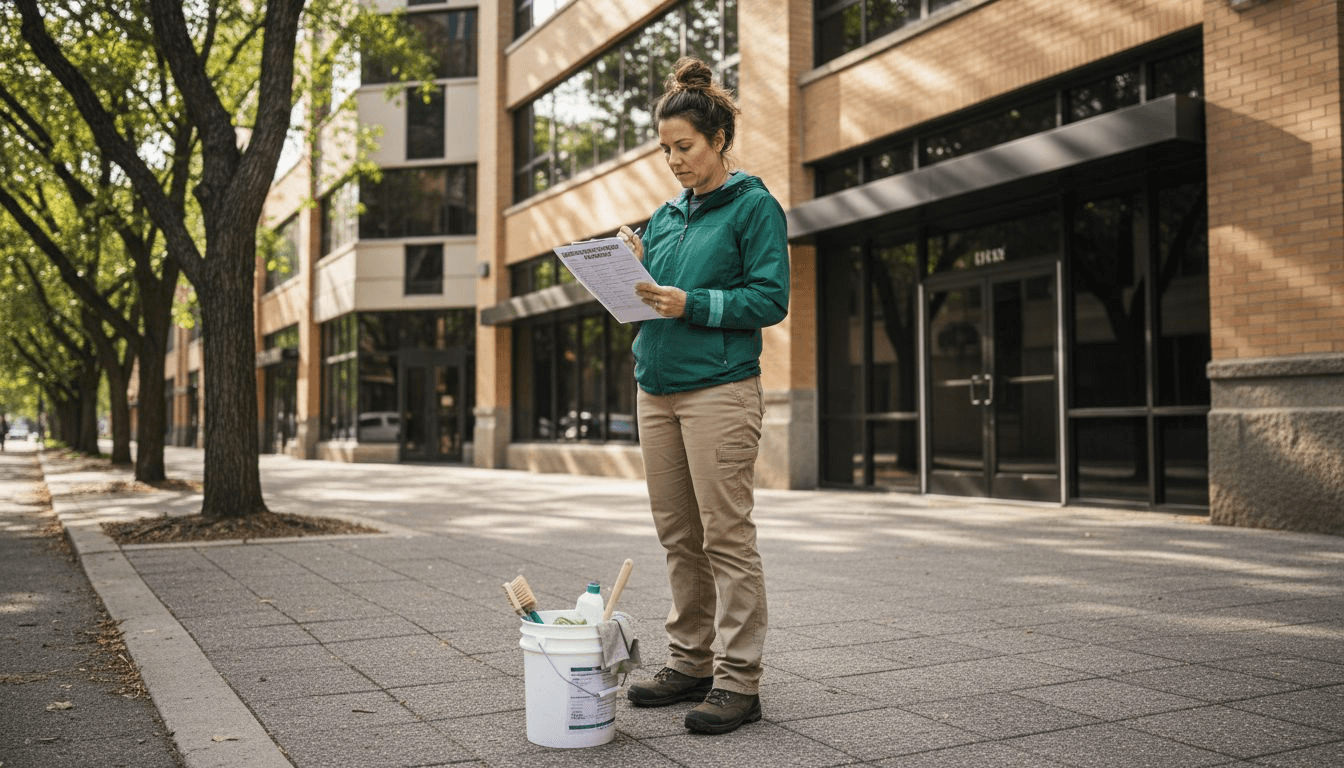
Keeping your property compliant with exterior cleaning regulations can feel overwhelming. Every detail from chemical safety to waste disposal must be handled with precision to protect health, environment, and legal standing. Missing a single step could lead to costly penalties or safety risks for tenants and workers alike.
The good news is you can take control by following proven strategies backed by trusted sources like the Environmental Protection Agency, National Fire Protection Association, and Royal Institution of Chartered Surveyors. This list will show you concrete actions for managing everything from inspections to vendor certifications while reducing risk and staying ahead of regulatory changes.
Get ready to discover practical steps that make exterior cleaning compliance less stressful and more achievable. Each insight will help you build a safer, more responsible property management routine.
Table of Contents
- Understand Local And National Cleaning Regulations
- Schedule Regular Exterior Inspections
- Develop Safe Chemical Handling Protocols
- Ensure Proper Waste Disposal Procedures
- Maintain Access And Safety For Tenants
- Document All Cleaning Activities And Incidents
- Review Vendor Certifications And Insurance
Quick Summary
| Takeaway | Explanation |
|---|---|
| 1. Comply with Cleaning Regulations | Follow local and national regulations to ensure safety and environmental protection during exterior cleaning operations. |
| 2. Schedule Regular Inspections | Implement systematic exterior inspections to identify issues early and prevent costly repairs. |
| 3. Establish Chemical Safety Protocols | Develop and enforce protocols for safe chemical handling to protect staff and residents during cleaning tasks. |
| 4. Ensure Proper Waste Disposal | Implement comprehensive waste management strategies to comply with environmental regulations and promote sustainability. |
| 5. Document Cleaning Activities | Maintain thorough documentation of cleaning activities and incidents to ensure compliance and accountability within operations. |
1. Understand Local and National Cleaning Regulations
Complying with cleaning regulations is not just a legal requirement but a critical responsibility for property managers handling exterior cleaning projects. Navigating the complex landscape of local and national regulations demands a strategic approach to ensure safety, environmental protection, and operational excellence.
Regulatory frameworks established by government agencies like the Environmental Protection Agency provide comprehensive guidelines that property managers must follow. These regulations cover multiple dimensions of exterior cleaning:
- Environmental safety standards
- Chemical usage protocols
- Waste disposal requirements
- Equipment operation guidelines
- Worker protection measures
Compliance is not optional. It's a fundamental requirement for responsible property management.
The National Fire Protection Association (NFPA) has developed over 300 codes that directly impact building safety and cleaning practices. These scientifically researched standards help mitigate potential risks associated with chemical handling and equipment use during exterior cleaning operations.
To effectively navigate these regulations, property managers should:
- Obtain current regulatory documentation
- Train cleaning staff on compliance requirements
- Develop documented compliance procedures
- Conduct regular internal audits
- Stay updated on regulatory changes
Pro tip: Create a dedicated compliance checklist that maps local, state, and federal regulations to ensure comprehensive coverage of all required safety and operational standards.
2. Schedule Regular Exterior Inspections
Regular exterior inspections are the foundation of proactive property maintenance and risk management. By systematically assessing your building's exterior condition, you can identify potential issues before they escalate into costly repairs.
The Royal Institution of Chartered Surveyors recommends implementing a structured approach to exterior inspections that goes beyond basic visual assessments.
Key elements of an effective inspection strategy include:
- Consistent scheduling of professional assessments
- Comprehensive documentation of existing conditions
- Detailed tracking of potential maintenance needs
- Early detection of structural or aesthetic vulnerabilities
- Prioritization of repair and maintenance activities
A well-planned inspection process transforms reactive maintenance into strategic property preservation.
To develop a robust inspection protocol, property managers should establish clear guidelines for:
- Frequency of inspections
- Specific areas to be examined
- Qualification requirements for inspection personnel
- Detailed reporting mechanisms
- Follow-up and remediation processes
Pro tip: Create a standardized digital inspection checklist with photographic documentation to establish a comprehensive baseline for tracking your property's exterior condition over time.
3. Develop Safe Chemical Handling Protocols
Chemical safety is paramount in exterior cleaning operations where hazardous substances can pose significant risks to workers, residents, and the environment. Implementing comprehensive chemical handling protocols is not just a regulatory requirement but a critical responsibility for property management teams.
The US Environmental Protection Agency provides extensive guidance on developing robust chemical safety frameworks that protect both personnel and property.
Key components of effective chemical handling protocols include:
- Comprehensive chemical inventory management
- Proper labeling and classification systems
- Personal protective equipment (PPE) requirements
- Safe storage and segregation techniques
- Emergency response preparedness
Safety is not an option. It is a fundamental requirement in chemical handling.
To establish a comprehensive chemical handling protocol, property managers should:
- Conduct a thorough chemical risk assessment
- Develop written safety procedures
- Train all personnel on chemical handling
- Implement strict storage and disposal guidelines
- Maintain updated safety data sheets
Pro tip: Create a centralized digital chemical safety dashboard that tracks inventory, provides real-time access to safety data sheets, and documents staff training completions.
4. Ensure Proper Waste Disposal Procedures
Proper waste disposal is a critical responsibility for property managers handling exterior cleaning operations. Understanding and implementing comprehensive waste management protocols protects both environmental sustainability and legal compliance.
Stanford University's Environmental Health & Safety guidance emphasizes a systematic approach to waste management that goes beyond simple disposal techniques.
Key elements of effective waste disposal procedures include:
- Comprehensive waste identification
- Proper segregation of hazardous materials
- Accurate documentation and tracking
- Compliance with environmental regulations
- Environmentally responsible disposal methods
Waste management is not just a regulatory requirement. It is a fundamental commitment to environmental stewardship.
To develop robust waste disposal protocols, property managers should:
- Conduct a detailed waste stream analysis
- Establish clear categorization systems
- Train staff on proper handling techniques
- Partner with certified disposal services
- Maintain detailed disposal records
Pro tip: Implement a digital tracking system that logs each waste disposal event with photographs, weight measurements, and disposal certification to create a comprehensive audit trail.
5. Maintain Access and Safety for Tenants
Tenant safety and accessibility are paramount during exterior cleaning operations. Property managers must balance maintenance requirements with the critical need to protect tenant comfort and legal rights.
Landlord-tenant regulations establish clear guidelines for maintaining safe and habitable living environments during property maintenance activities.
Key considerations for tenant safety include:
- Advance notice of maintenance activities
- Minimizing disruption to tenant living spaces
- Ensuring clear communication pathways
- Protecting personal property during cleaning
- Maintaining accessibility to essential living areas
Safety and respect are non-negotiable aspects of property management.
To effectively manage tenant access and safety during exterior cleaning:
- Provide written maintenance schedules
- Communicate potential service disruptions
- Establish clear entry protocols
- Protect tenant privacy
- Offer alternative accommodations if necessary
Pro tip: Develop a tenant communication app or digital platform that provides real-time updates about maintenance activities and allows tenants to ask questions or request additional information.
6. Document All Cleaning Activities and Incidents
Documentation serves as the critical backbone of compliance and accountability in exterior cleaning operations. Maintaining comprehensive records protects property managers from potential legal challenges and ensures systematic performance tracking.
OSHA workplace sanitation guidelines underscore the importance of meticulous record-keeping in maintaining professional cleaning standards.
Key documentation elements include:
- Detailed cleaning schedule records
- Incident report logs
- Chemical usage tracking
- Personnel performance documentation
- Equipment maintenance records
Documentation transforms cleaning from a task into a strategic management process.
To implement robust documentation practices, property managers should:
- Create standardized reporting templates
- Establish clear documentation protocols
- Train staff on record-keeping procedures
- Utilize digital tracking systems
- Conduct periodic documentation audits
Pro tip: Implement a cloud-based documentation system that automatically timestamps entries and provides secure, searchable records for instant retrieval during inspections or incident investigations.
7. Review Vendor Certifications and Insurance
Vendor selection can make or break your exterior cleaning compliance strategy. Thoroughly vetting potential cleaning service providers through their certifications and insurance coverage is a critical risk management practice.
Industry certification standards provide a reliable framework for assessing vendor competence and professional capabilities.
Key aspects of vendor review include:
- Professional certification verification
- Comprehensive insurance coverage
- Documented safety training records
- Compliance with industry standards
- Track record of professional performance
Not all vendors are created equal. Rigorous screening protects your property and reputation.
To effectively review vendor credentials, property managers should:
- Request current certification documentation
- Verify insurance policy details
- Check references and past performance
- Confirm compliance with local regulations
- Conduct periodic credential re-evaluations
Pro tip: Create a standardized vendor assessment template that systematically scores certifications, insurance levels, and compliance metrics to streamline your selection process and minimize potential risks.
Below is a comprehensive table summarizing the strategies for effective property management in exterior cleaning operations as outlined in the article.
| Aspect | Key Insights | Implementation Steps |
|---|---|---|
| Regulatory Compliance | Property managers must adhere to local and national cleaning regulations for safety and legal reasons. | Review environmental standards, train staff, develop procedures, and conduct audits. |
| Regular Inspections | Proactive external building assessments help in identifying and addressing maintenance issues. | Schedule inspections, document findings, track issues, and prioritize response actions. |
| Chemical Safety | Establishing safe handling and storage of chemicals is crucial for safety and regulatory compliance. | Maintain chemical inventories, ensure proper labeling, train staff, and implement emergency protocols. |
| Waste Disposal | Implementing sustainable and compliant waste management practices protects the environment. | Conduct waste analyses, categorize waste, train staff, and collaborate with certified disposal facilities. |
| Tenant Safety | Balancing cleaning operations with tenant safety and convenience is vital for overall success. | Provide advance notices, ensure accessibility, minimize disruptions, and maintain tenant communication. |
| Documentation Procedures | Thorough record-keeping supports accountability and compliance. | Develop templates, conduct training, implement digital documentation systems, and audit records periodically. |
| Vendor Evaluation | Vetting and selecting certified and insured vendors ensures professional service delivery. | Verify credentials, request insurance information, check references, and conduct performance reviews. |
Ensure Your Exterior Cleaning Compliance With Expert Partners
Managing the complex challenges of exterior cleaning compliance requires precision and expertise. From understanding chemical handling protocols to scheduling regular inspections and maintaining tenant safety, every detail matters. At Monster Property Partners, we understand these critical responsibilities and deliver tailored commercial pressure washing solutions specifically designed for apartment buildings and multi-family units.
Partner with us to take the stress out of regulatory compliance and safety. Our dedicated team focuses on reliable project management and clear communication to ensure your exterior cleaning meets all local and national standards. Don’t wait until small issues become costly problems. Explore how our services align perfectly with your compliance needs by visiting Monster Property Partners. Discover the difference of working with a trusted exterior cleaning leader ready to support your property’s maintenance goals today.
Frequently Asked Questions
What are the essential steps for creating an exterior cleaning compliance list?
Creating an exterior cleaning compliance list involves understanding local and national regulations, scheduling regular inspections, developing safe chemical handling protocols, ensuring proper waste disposal procedures, maintaining tenant safety, documenting all cleaning activities, and reviewing vendor certifications. Start by outlining each step and assigning responsibilities for tracking compliance.
How can I ensure my cleaning staff understands compliance requirements?
Train your cleaning staff on all compliance requirements related to chemical handling, safety protocols, and waste disposal. Conduct training sessions quarterly and provide easy-to-understand reference materials to reinforce their knowledge.
What should be included in a waste disposal procedure for exterior cleaning?
A waste disposal procedure should include waste identification, proper segregation of hazardous materials, accurate documentation, compliance with regulations, and environmentally responsible disposal methods. Develop a checklist to ensure all steps are followed during disposal.
How often should exterior inspections be scheduled?
Exterior inspections should be scheduled regularly, ideally at least twice a year, or more frequently for high-traffic properties. Set up a specific calendar for inspections and adhere to it to catch potential issues early.
What documentation is necessary for tracking exterior cleaning activities?
Necessary documentation includes cleaning schedules, incident reports, chemical usage logs, personnel performance records, and equipment maintenance logs. Create a centralized digital system to store and organize this information for easy access and review.
How do I validate vendor credentials for exterior cleaning services?
To validate vendor credentials, request documentation of their professional certifications, insurance coverage, and training records. Conduct thorough checks on their past performance and ensure compliance with your established standards before hiring them.
Recommended
- Monster Property Partners | Multifamily Exterior Cleaning Orlando FL
- Monster Property Partners | Multifamily Exterior Cleaning Orlando FL
- Portfolio Partnership | Monster Property Partners
- Commercial Cleaning Standards Explained: Ensuring Compliance and Hygiene
- The Ultimate Move-Out Cleaning List for a Spotless Home