
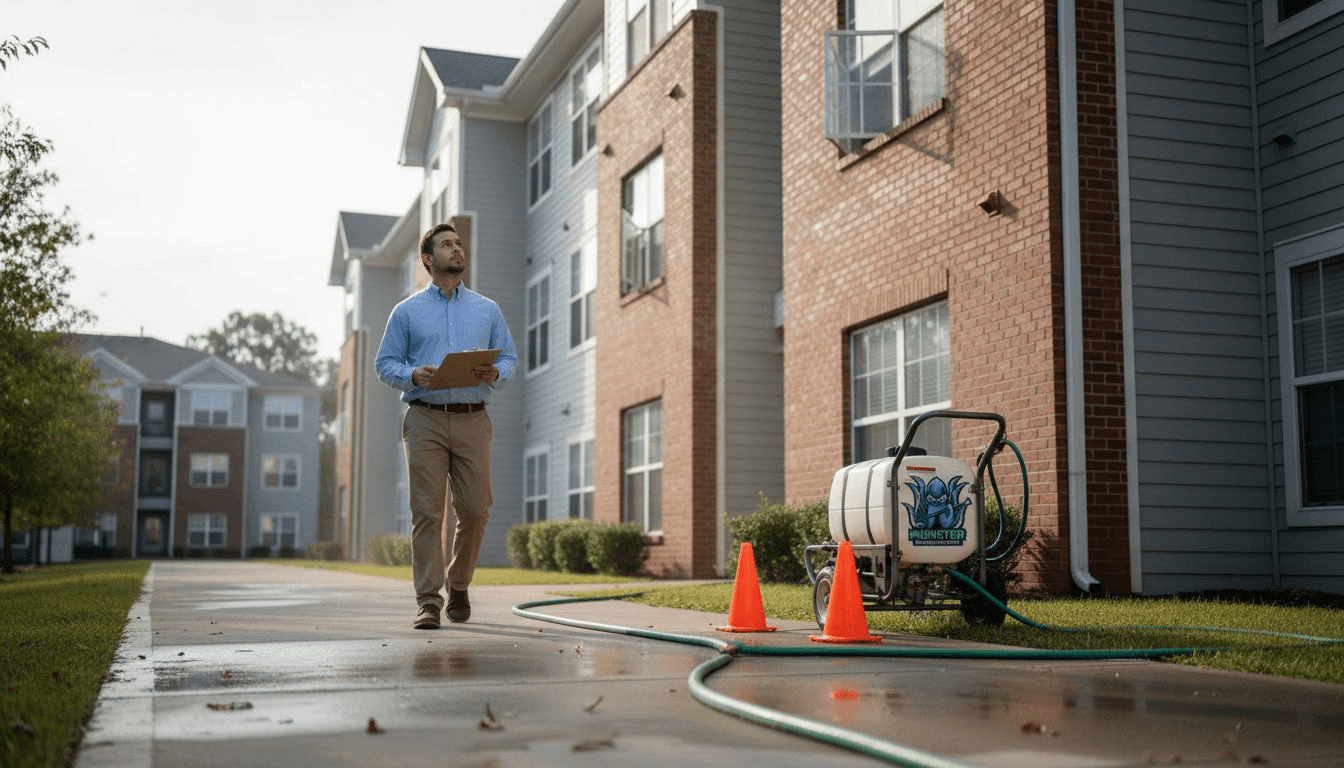
Property managers face constant pressure to maintain building appearance while controlling costs. Choosing the right exterior cleaning projects protects your investment, enhances tenant satisfaction, and ensures compliance with safety standards. This guide presents proven exterior cleaning project examples tailored specifically for multifamily residential properties, complete with selection criteria, cost breakdowns, and expert insights. You'll discover how strategic cleaning decisions extend asset lifespan, reduce emergency repairs, and create inspection-ready properties that residents appreciate.
Table of Contents
- Criteria For Choosing Exterior Cleaning Projects
- Pressure Washing Projects For Durable Surfaces
- Soft Washing And Facade Cleaning For Delicate Surfaces
- Comparing Exterior Cleaning Project Types: Costs, Benefits, And Suitability
- Choosing And Scheduling Exterior Cleaning Projects For Multifamily Properties
- Discover Expert Exterior Cleaning Services For Multifamily Buildings
- FAQ
Key takeaways
| Point | Details |
|---|---|
| Exterior cleaning extends lifespan | Regular cleaning prevents costly repairs and prolongs building material durability by removing damaging contaminants. |
| Pressure washing improves safety | High-pressure cleaning eliminates slip hazards and biological growth on concrete surfaces, reducing liability risks. |
| Method selection depends on surface | Different materials require specific PSI levels and cleaning agents to avoid irreversible damage. |
| Scheduled maintenance saves money | Proactive cleaning costs significantly less than reactive repairs or failed inspection remediation. |
Criteria for choosing exterior cleaning projects
Selecting the right exterior cleaning project starts with understanding your building's specific needs and material vulnerabilities. Material type fundamentally determines which cleaning method protects rather than damages surfaces. Concrete and asphalt tolerate high-pressure methods, while brick, wood, and composite materials require gentler approaches to prevent erosion or discoloration.
Pressure washing PSI and cleaning agent chemistry must align precisely with surface durability to avoid costly mistakes. Using improper pressure or chemicals causes irreversible harm that exceeds the cost of proper professional service. You need crews trained to assess surface conditions and adjust equipment settings accordingly.
Compliance considerations shape project selection as much as surface type does. Stormwater regulations govern runoff management, while inspection readiness demands thorough removal of biological growth and staining. Properties facing exterior cleaning compliance requirements must prioritize methods that meet environmental and safety standards without shortcuts.
Safety concerns directly influence cleaning frequency and thoroughness. Slip hazards from algae, mold, or accumulated grime create liability exposure that regular cleaning eliminates. Trip hazards from uneven concrete surfaces become visible only after thorough cleaning reveals underlying damage needing repair.
Lifecycle cost analysis consistently favors regular maintenance over reactive fixes. Scheduled cleaning prevents the accelerated degradation that forces expensive surface replacement years ahead of normal lifespan. Budget planning becomes predictable when you establish routine cleaning intervals based on material type and environmental exposure.
Pro Tip: Document surface conditions with photos before and after each cleaning project to track degradation patterns and optimize your maintenance schedule over time.
Key criteria for project selection include:
- Material sensitivity to pressure and chemical exposure
- Regulatory compliance requirements for your jurisdiction
- Safety hazard severity and liability risk assessment
- Cost comparison between preventive cleaning and reactive replacement
- Tenant satisfaction impact and curb appeal enhancement
Pressure washing projects for durable surfaces
Pressure washing delivers exceptional results on durable surfaces like concrete walkways, parking lots, and building foundations. The effective PSI range of 2000 to 4000+ removes years of accumulated dirt, oil stains, and biological growth that degrade concrete integrity. This method costs approximately $0.10 to $0.30 per square foot, a fraction of concrete replacement expenses that can exceed $8 per square foot.
The financial case for pressure washing becomes compelling when you consider asset protection. Regular pressure washing extends concrete lifespan by 15 to 25 percent through removal of contaminants that cause surface breakdown. For a 50,000 square foot property, this translates to delaying a $400,000 replacement project by five to seven years.
Safety improvements justify pressure washing beyond aesthetic benefits. Trip hazards become immediately visible after cleaning removes obscuring grime, allowing you to address concrete damage before tenant injuries occur. Slip hazards from algae and mold disappear completely with proper hot water pressure washing and appropriate cleaning agents.
Curb appeal directly influences lease rates and tenant retention in competitive markets. Properties with clean, well-maintained exteriors command premium rents because they signal professional management and attention to detail. Prospective tenants form first impressions within seconds of arrival, making exterior appearance a critical competitive factor.
Operational considerations require trained crews to prevent surface damage during cleaning. Inexperienced operators frequently use excessive pressure that etches concrete or strips protective sealants. Professional teams adjust PSI based on concrete age, condition, and previous treatments to optimize cleaning without causing harm.
Pressure washing delivers measurable value:
- Removes 99% of biological growth reducing slip and fall incidents
- Extends concrete lifespan by preventing premature degradation
- Costs 75% less than reactive surface replacement
- Improves property inspection scores and compliance ratings
- Supports higher occupancy through enhanced curb appeal
Scheduling pressure washing during moderate weather maximizes effectiveness. Extreme heat causes cleaning solutions to evaporate before breaking down contaminants, while freezing temperatures prevent proper rinsing. Spring and fall typically offer ideal conditions for regular exterior cleaning projects.
Soft washing and facade cleaning for delicate surfaces
Soft washing protects delicate building materials through low-pressure application of specialized detergents and biocides. This method uses less than 500 PSI combined with chemical action to safely clean brick, wood siding, EIFS, and painted surfaces without causing erosion or finish damage. The chemical dwell time does the work that high pressure accomplishes on concrete, making it ideal for materials that crack or deteriorate under force.
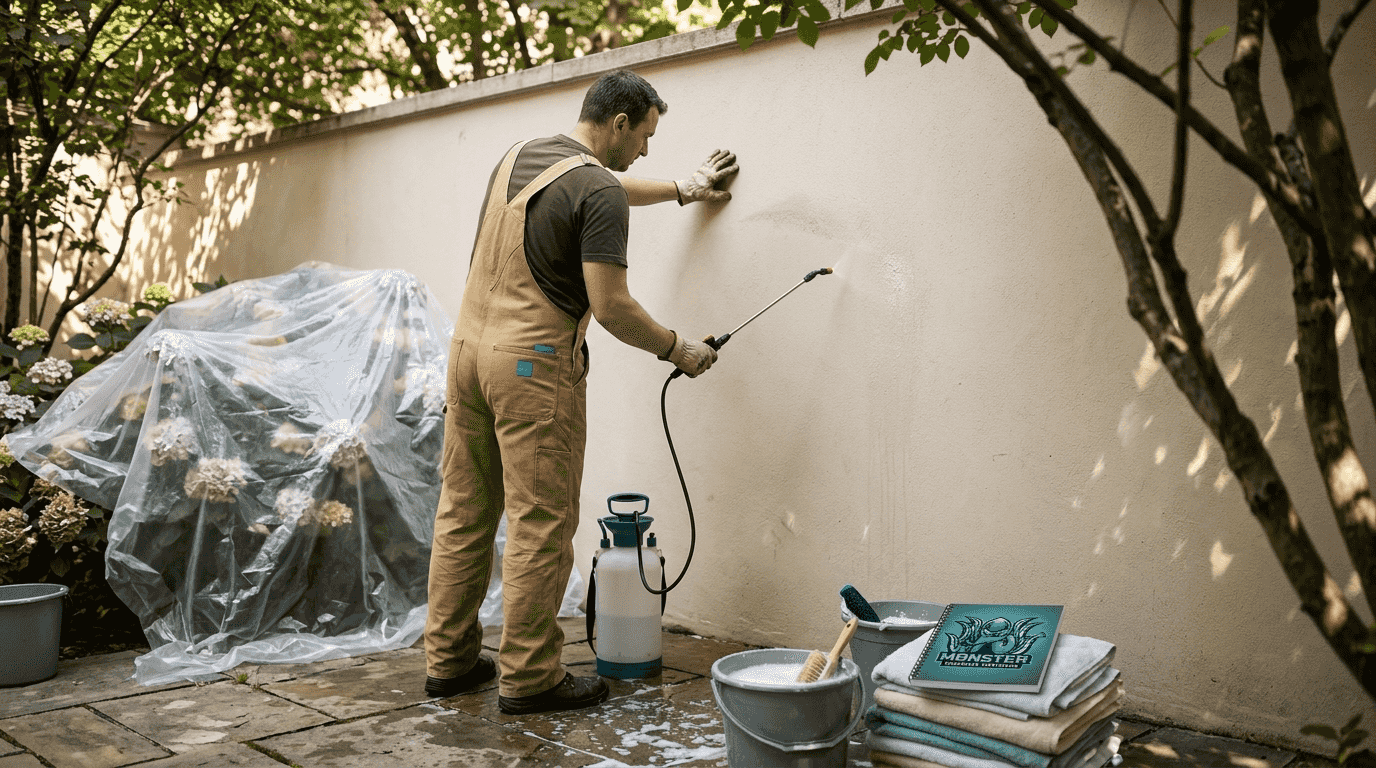
Facade cleaning delivers benefits extending far beyond appearance improvements. Removing pollutants protects building materials by eliminating acids and biological growth that cause cracking, staining, and premature aging. Brick facades particularly benefit from gentle cleaning that preserves mortar joints while removing damaging salt deposits and organic growth.
Energy performance improves measurably after facade cleaning removes heat-absorbing contaminants. Clean, reflective surfaces reduce cooling demands by up to 15% during summer months, directly lowering utility costs for properties with master-metered systems. This benefit compounds over years, making facade cleaning a sound investment in operational efficiency.
Indoor air quality connections often surprise property managers unfamiliar with building science principles. Exterior mold and mildew spores infiltrate buildings through HVAC systems and envelope penetrations, degrading indoor environments. Eliminating exterior biological growth at the source reduces airborne contaminants that trigger tenant complaints and health concerns.
Material preservation requires careful method selection to avoid irreversible damage. Sandblasting and high-pressure washing permanently alter brick texture and remove protective patinas from stone. Soft washing explained demonstrates how chemical action combined with gentle rinsing achieves deep cleaning without mechanical abrasion.
Pro Tip: Test cleaning solutions on inconspicuous areas before full application to verify compatibility with your specific building materials and finishes.
Soft washing advantages include:
- Preserves delicate surface finishes and protective coatings
- Eliminates biological growth at the root level for longer-lasting results
- Reduces water consumption by 50% compared to pressure washing
- Protects exterior cleaning lifespan impact through gentle treatment
- Allows safe cleaning of multi-story facades without scaffolding damage
Comparing exterior cleaning project types: costs, benefits, and suitability
Understanding project type differences helps you match cleaning methods to specific property needs and budget constraints. Each approach offers distinct advantages depending on surface material, contamination severity, and desired outcomes. The comparison below synthesizes cost data, application scenarios, and risk factors to guide your decision making.
| Project Type | Cost Range | Best Applications | Key Benefits | Primary Risks |
|---|---|---|---|---|
| Pressure Washing | $0.10-$0.30/sq ft | Concrete, asphalt, metal | Removes deep stains, extends lifespan 15-25% | Surface damage if PSI too high |
| Soft Washing | $0.15-$0.40/sq ft | Brick, wood, EIFS, paint | Protects delicate finishes, kills biological growth | Chemical selection errors |
| Facade Cleaning | $0.25-$0.75/sq ft | Historic brick, stone, architectural details | Preserves materials, improves energy efficiency | Requires specialized expertise |
| Sidewalk/Entry Cleaning | $0.08-$0.25/sq ft | High-traffic concrete areas | Reduces slip hazards, improves first impressions | Frequent re-cleaning needed |
Regulatory compliance influences project selection more than many managers initially recognize. Stormwater permits require containment and proper disposal of cleaning runoff containing chemicals and contaminants. Properties in environmentally sensitive areas face additional restrictions on cleaning agent types and application methods.
Safety concerns vary significantly by project type and location. Ground-level pressure washing poses minimal fall risks but creates slip hazards during application. Facade cleaning on multi-story buildings requires fall protection systems and trained personnel comfortable working at height.
Return on investment calculations must account for both direct costs and indirect benefits. Proactive cleaning costs less than reactive repairs or failed inspection remediation that triggers emergency work. Tenant satisfaction improvements reduce turnover costs that typically exceed two months' rent per unit.
Scheduling frequency optimization balances cleaning effectiveness against budget constraints. High-traffic areas like building entries and mailbox clusters require quarterly attention, while building facades perform well with annual or biannual cleaning. Climate and environmental factors modify these baselines significantly.
Decision frameworks should prioritize:
- Surface material compatibility with cleaning method
- Contamination type and severity assessment
- Budget allocation across multiple project types
- Regulatory compliance requirements for your jurisdiction
- Tenant impact during cleaning operations
Professional assessment adds value by identifying types of exterior cleaning your property actually needs versus generic service packages. Experienced contractors customize approaches based on building age, previous maintenance history, and specific performance goals.
Choosing and scheduling exterior cleaning projects for multifamily properties
Developing an effective cleaning schedule requires analyzing your property's unique characteristics and environmental exposures. Climate drives cleaning frequency more than any other factor. Properties in humid regions battle biological growth year-round, demanding quarterly soft washing of building facades. Arid climates accumulate dust and mineral deposits requiring different treatment approaches and longer intervals between services.
Coordinating cleaning with maintenance and inspection schedules reduces operational disruption and maximizes efficiency. Schedule pressure washing immediately before annual property inspections to address findings proactively rather than reactively. Align facade cleaning with exterior painting or repair projects to minimize scaffolding setup costs and tenant notifications.
Certified cleaning professionals protect your investment through proper technique and equipment calibration. Verify contractors carry appropriate insurance and demonstrate knowledge of surface-specific cleaning protocols. Request references from similar multifamily properties and inspect their work quality before committing to contracts.
Data-driven decision metrics optimize cleaning effectiveness while controlling costs. Track PSI settings, GPM flow rates, and cleaning agent concentrations for each surface type to establish baseline protocols. Document results with before and after photos that justify budget allocations and demonstrate value to ownership.
Regular audits ensure inspection-ready properties that protect asset value and resident satisfaction. Monthly walkthroughs identify emerging issues before they become urgent problems requiring premium pricing. Quarterly reviews with cleaning contractors refine approaches based on seasonal changes and performance observations.
Effective scheduling follows these steps:
- Assess all exterior surfaces by material type and exposure level
- Establish baseline cleaning frequencies based on climate and usage patterns
- Coordinate cleaning schedule with inspection and maintenance calendars
- Select certified contractors with multifamily property experience
- Implement documentation systems tracking costs, methods, and results
- Review and adjust schedules quarterly based on performance data
Pro Tip: Create a digital asset map documenting surface types, previous cleaning dates, and contractor notes to streamline scheduling and ensure consistent treatment across your portfolio.
Budget planning becomes predictable when you establish multi-year cleaning contracts with performance guarantees. Fixed pricing protects against market volatility while ensuring contractor accountability for results. Include provisions for emergency cleaning needs without penalty pricing that inflates costs during urgent situations.
Tenant communication prevents complaints and demonstrates proactive management. Notify residents 48 hours before cleaning projects with specific timing, affected areas, and any required actions like moving vehicles or patio furniture. Follow up after completion highlighting improvements and tenant satisfaction through cleaning initiatives.
Discover expert exterior cleaning services for multifamily buildings
Property managers seeking reliable exterior cleaning solutions find proven expertise at Monster Property Partners. Our specialized multifamily exterior cleaning services combine technical knowledge with operational efficiency to deliver inspection-ready properties. We customize cleaning approaches based on your building materials, compliance requirements, and budget parameters.
Our team understands the unique challenges multifamily properties face with high-traffic areas and diverse surface types. From common area concrete cleaning to delicate facade restoration, we apply the right methods for lasting results. Scheduling professional services ensures your property maintains the curb appeal and safety standards tenants expect. Discover how strategic exterior cleaning in Orlando and beyond enhances your property's value and tenant satisfaction.
FAQ
What types of exterior cleaning are best for apartment complexes?
Pressure washing works best for durable surfaces like concrete walkways, parking lots, and building foundations where high PSI effectively removes embedded contaminants. Soft washing and facade cleaning protect delicate materials including brick, wood siding, and painted surfaces by using low pressure with specialized cleaning agents. The optimal approach depends on your specific building materials and contamination severity.
How often should multifamily properties schedule exterior cleaning?
Cleaning frequency varies by climate, surface type, and usage intensity. High-traffic concrete areas typically require quarterly pressure washing to maintain safety and appearance. Building facades in humid climates need biannual soft washing to control biological growth, while arid regions may extend to annual cleaning. Regular schedules prevent costly emergency repairs and maintain inspection readiness year-round.
Can improper cleaning damage building surfaces?
Yes, incorrect pressure settings or incompatible cleaning chemicals cause permanent damage to building materials. Excessive PSI etches concrete, strips protective sealants, and erodes mortar joints in brick facades. Wrong chemical selections discolor painted surfaces or degrade composite materials beyond repair. Always use certified professionals who understand material-specific cleaning protocols and carry appropriate insurance.
Does exterior cleaning influence tenant satisfaction?
Clean building exteriors significantly impact tenant perception and retention rates. First impressions form within seconds of arrival, making curb appeal critical for lease decisions and renewal commitments. Properties demonstrating consistent exterior maintenance signal professional management that residents trust and value. Clean common areas also reduce safety concerns and create pride of residence that translates to lower turnover costs.
How does exterior cleaning support property compliance?
Regular cleaning eliminates common inspection findings like biological growth, slip hazards, and visible deterioration before official reviews. Proper cleaning methods ensure compliance with stormwater regulations by containing and disposing of contaminated runoff appropriately. Documentation of scheduled maintenance demonstrates proactive management during audits and helps satisfy insurance requirements for liability coverage. Clean properties pass inspections faster with fewer corrective actions required.