
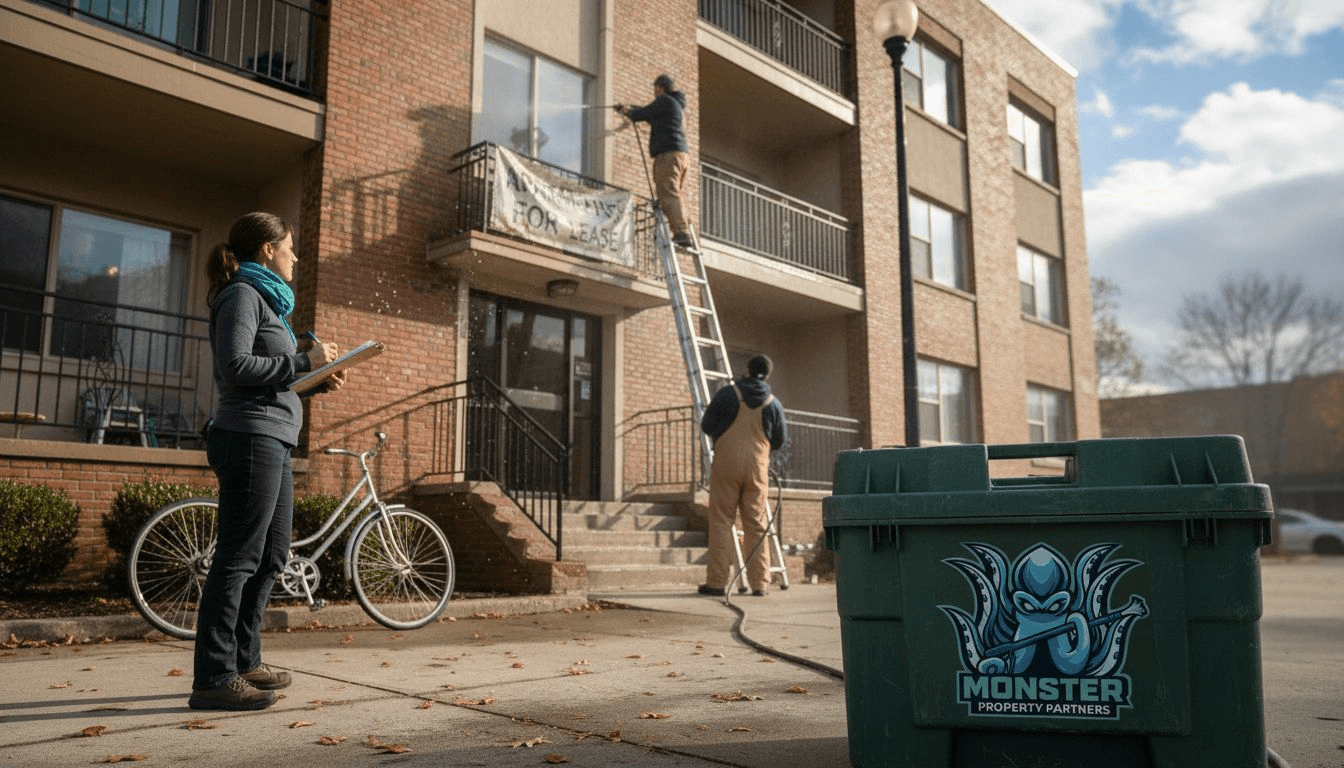
Maintaining the exterior of apartment buildings is more than an aesthetic choice. Research shows 78% of tenants consider cleanliness when renewing leases. For property managers, this connection between exterior cleaning and tenant satisfaction presents a measurable opportunity to enhance property value and retention rates. This guide explores how strategic exterior cleaning drives success in 2026.
Table of Contents
- Introduction To Exterior Cleaning In Property Management
- How Exterior Cleaning Impacts Tenant Satisfaction
- Comparison Of Exterior Cleaning Techniques And Their Applications
- Routine And Preventative Exterior Cleaning Practices
- Common Misconceptions About Exterior Cleaning In Property Management
- Conclusion: Strategic Value Of Exterior Cleaning For Property Managers
- Enhance Your Property Management With Expert Exterior Cleaning Services
Key takeaways
| Point | Details |
|---|---|
| Tenant retention | Exterior cleaning significantly influences tenant lease renewals and satisfaction scores. |
| Asset protection | Regular cleaning preserves building materials and prevents costly repairs from biological growth. |
| Technique selection | Choosing proper cleaning methods protects delicate surfaces while achieving thorough results. |
| Preventive value | Routine cleaning schedules boost safety, compliance, and long-term property value. |
| Resource allocation | Understanding facts versus myths helps managers invest cleaning budgets effectively. |
Introduction to exterior cleaning in property management
Exterior cleaning encompasses systematic maintenance of all external building surfaces and common outdoor areas. This includes building facades, walkways, parking lots, windows, gutters, and recreational spaces. For apartment buildings and multi-family complexes, these tasks form a critical component of comprehensive property management strategies.
Property managers oversee these responsibilities to protect physical assets and create environments that attract quality tenants. The scope extends beyond simple appearance maintenance. Multi-family exterior cleaning importance grows as buildings age and environmental factors accumulate dirt, pollutants, and organic growth.
Apartment buildings face unique exterior cleaning challenges compared to single-family homes. High-traffic common areas experience accelerated wear. Multiple stories require specialized equipment and safety protocols. Coordinating cleaning schedules around tenant activity demands careful planning.
Effective exterior cleaning safeguards your investment by preventing material degradation while simultaneously enhancing curb appeal. Properties with well-maintained exteriors command higher rental rates and experience lower vacancy periods. The connection between cleanliness and financial performance makes exterior cleaning a strategic priority rather than an optional expense.
Key exterior cleaning tasks for multi-family properties include:
- Building facade washing to remove pollution, dirt, and biological stains
- Window cleaning for improved appearance and natural light transmission
- Walkway and parking area maintenance for safety and accessibility
- Gutter cleaning to prevent water damage and structural issues
- Common area sanitization to reduce health risks and liability
How exterior cleaning impacts tenant satisfaction
Tenant perceptions form immediately upon viewing a property. The exterior condition creates first impressions that influence leasing decisions and ongoing satisfaction. Studies confirm cleanliness ranks among top three factors affecting tenant renewal choices. This connection between appearance and loyalty translates directly to occupancy rates and revenue stability.

Clean exterior environments foster community pride among residents. When tenants observe consistent maintenance efforts, they perceive property management as responsive and professional. This perception builds trust and encourages longer tenancy periods. Research demonstrates buildings with maintained exteriors receive 20% higher satisfaction scores in tenant surveys.
Beyond aesthetics, exterior cleaning property maintenance addresses health and safety concerns. Mold, mildew, and algae growth on exterior surfaces pose respiratory risks and create slip hazards on walkways. Regular cleaning removes these biological threats before they impact tenant wellbeing. Properties that prioritize preventive cleaning demonstrate commitment to resident safety.
The data supporting this relationship is compelling:
- 78% of tenants cite building cleanliness as influential in lease renewal decisions
- Properties with routine exterior maintenance experience 15% lower turnover rates
- Clean common areas correlate with reduced maintenance complaints and improved online reviews
- Tenant satisfaction scores increase measurably when exterior cleaning follows consistent schedules
"The cleanliness of a property's exterior directly influences how tenants perceive the value they receive. When residents see proactive maintenance, they feel their rent payments are justified and management cares about their living environment."
Implementing systematic exterior cleaning protocols creates visible evidence of property management competence. Post-construction exterior cleaning impact extends beyond new builds, as renovation projects also benefit from thorough final cleanings that preserve tenant satisfaction during improvements.
Comparison of exterior cleaning techniques and their applications
Property managers face decisions about which cleaning methods best suit their building materials and stain types. The two primary approaches are pressure washing and soft washing, each offering distinct advantages for specific applications.
Pressure washing utilizes high-pressure water streams to remove stubborn dirt, stains, and debris. This technique excels on durable surfaces like concrete, brick, and stone. The force effectively eliminates oil stains from parking areas, graffiti from walls, and heavy grime accumulation. However, pressure washing risks damaging delicate materials including wood siding, painted surfaces, and older masonry with deteriorated mortar.
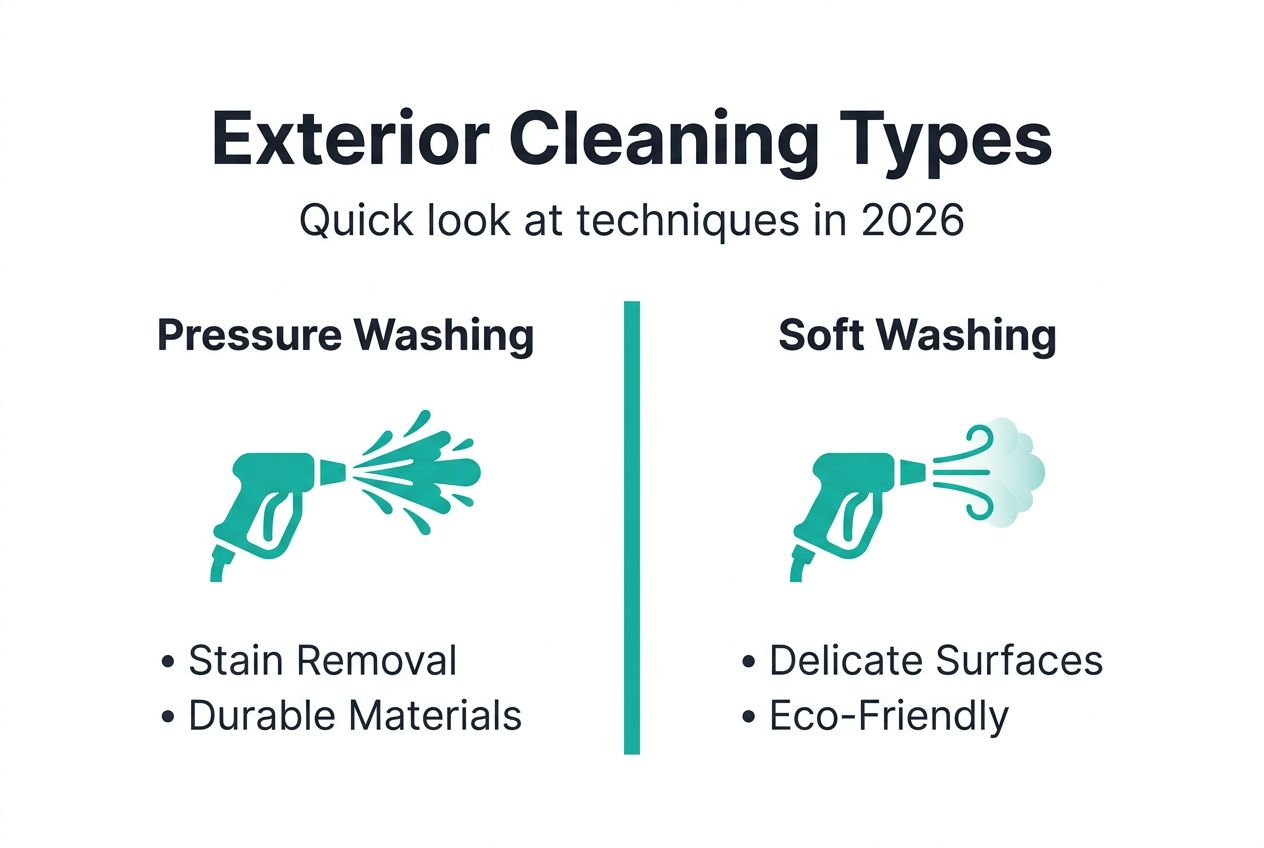
Soft washing employs low-pressure application combined with specialized cleaning solutions. Chemical agents break down organic growth, dirt, and stains without mechanical force. This gentler approach protects sensitive surfaces like stucco, vinyl siding, and architectural details. Soft washing proves particularly effective against mold, algae, and mildew that pressure washing might spread rather than eliminate.
| Technique | Best Applications | Material Risks | Effectiveness |
|---|---|---|---|
| Pressure Washing | Concrete, brick, stone, parking lots | Damages wood, paint, soft materials | Excellent for heavy stains |
| Soft Washing | Stucco, vinyl, painted surfaces, roofs | Minimal when properly diluted | Superior for biological growth |
| Combined Approach | Large complexes with varied surfaces | Requires expertise to apply correctly | Optimal results across property |
Selecting appropriate techniques minimizes damage while ensuring thorough cleaning results. Different stains require targeted approaches. Oil and grease respond to pressure washing with degreasers. Organic stains from leaves and pollen need enzymatic cleaners. Rust stains may require acid-based solutions applied carefully.
Pro Tip: Always test cleaning methods on inconspicuous areas before full application. This practice identifies potential damage risks and allows pressure or chemical adjustments to protect building materials while achieving desired cleanliness.
Understanding types of exterior cleaning property managers should consider helps match techniques to specific property needs. Professional services typically combine methods strategically, using soft washing for building facades while applying pressure washing to concrete surfaces.
Routine and preventative exterior cleaning practices
Establishing regular cleaning schedules protects property investments through preventive maintenance. Research indicates scheduling cleanings twice annually extends material lifespan by over 20%. Optimal timing aligns with seasonal transitions to address specific environmental challenges.
Spring cleaning removes winter salt residue, accumulated grime, and prepares properties for peak leasing season. Fall cleaning eliminates summer pollen, organic debris, and prepares surfaces for winter weather protection. Properties in regions with heavy pollen or severe winters may require additional targeted cleanings.
Developing effective cleaning schedules requires assessing several factors. Regional climate influences frequency needs. Coastal properties face salt spray challenges. Urban locations accumulate more pollution. Building materials dictate appropriate techniques and chemical selections. High-traffic areas demand more frequent attention than low-use spaces.
A comprehensive exterior cleaning checklist includes:
- Building facades including all exterior walls and architectural features
- Windows and glass surfaces for clarity and light transmission
- Gutters and downspouts to ensure proper drainage function
- Walkways, stairs, and accessibility ramps for safety compliance
- Parking areas including surfaces and lighting fixtures
- Common outdoor amenities such as pool areas, playgrounds, and gathering spaces
- Dumpster enclosures and service areas to control odors and pests
- Signage and wayfinding elements for professional appearance
Routine cleaning prevents buildup that accelerates material degradation. Dirt and biological growth trap moisture against surfaces, promoting rot in wood and corrosion in metal. Regular removal maintains protective finishes and extends replacement intervals. The cost of preventive cleaning remains significantly lower than repair expenses from neglect.
Pro Tip: Incorporate tenant feedback when scheduling exterior cleaning. Residents identify problem areas managers might overlook. Addressing high-traffic zones and tenant concerns demonstrates responsiveness while optimizing cleaning resource allocation.
Implementing seasonal exterior cleaning checklist property managers follow ensures comprehensive coverage. Document cleaning activities to track completion and identify recurring issues requiring additional attention. Regular exterior cleaning apartments receive maintains consistent standards that tenants notice and appreciate.
Common misconceptions about exterior cleaning in property management
Several persistent myths prevent property managers from fully leveraging exterior cleaning benefits. Addressing these misconceptions improves decision-making and resource allocation.
Myth 1: Exterior cleaning is purely cosmetic with minimal impact on property value. Reality contradicts this belief. Clean exteriors directly influence tenant acquisition and retention rates. Properties with maintained appearances command premium rents and experience shorter vacancy periods. Curb appeal translates to measurable financial performance through higher occupancy and reduced turnover costs.
Myth 2: Cleaning techniques universally damage delicate building surfaces. Proper technique selection and professional application prevent damage. Soft washing specifically addresses sensitive materials without harm. Damage typically results from inappropriate pressure settings or chemical concentrations, not from cleaning itself. Professional services understand material properties and adjust methods accordingly.
Myth 3: Frequent cleaning costs outweigh benefits and represents unnecessary expense. Preventive cleaning costs substantially less than repairs from neglect. Replacing deteriorated siding, repainting damaged surfaces, or repairing water damage from clogged gutters involves significant capital expenditure. Routine maintenance preserves materials and spreads costs predictably across operating budgets.
Myth 4: Tenant satisfaction remains unrelated to external building appearance. Data definitively links cleanliness to tenant decisions. As documented earlier, 78% of tenants consider building cleanliness when renewing leases. Online reviews frequently mention exterior condition. Properties competing for quality tenants cannot afford to ignore appearance factors that directly influence rental decisions.
Understanding exterior cleaning asset preservation clarifies how maintenance protects investments. Clean buildings resist deterioration, maintain aesthetic appeal, and support higher property valuations. Insurance providers may offer premium reductions for well-maintained properties with reduced risk profiles.
Dispelling these myths encourages proactive cleaning programs that deliver measurable returns. Property managers who view exterior cleaning as strategic investment rather than discretionary expense position their properties competitively.
Conclusion: strategic value of exterior cleaning for property managers
Exterior cleaning represents a foundational strategy for property management success in 2026. The connection between clean exteriors and tenant satisfaction creates direct pathways to improved retention, higher occupancy rates, and enhanced property values. Properties that prioritize systematic cleaning outperform competitors in measurable ways.
Return on investment from preventive maintenance extends beyond immediate cost savings. Protected building materials last longer, reducing capital replacement needs. Professional appearance attracts quality tenants willing to pay premium rents. Positive online reviews and word-of-mouth referrals reduce marketing expenses while improving applicant quality.
Proactive management requires partnering with professional cleaning services that understand multi-family property needs. Expert technicians apply appropriate techniques, maintain safety protocols, and deliver consistent results. This partnership allows property managers to focus on core responsibilities while ensuring exterior maintenance meets high standards.
"Strategic exterior cleaning transforms property management from reactive maintenance to proactive asset protection. The measurable benefits to tenant satisfaction, property value, and operational efficiency make it an essential component of successful management in 2026."
Position exterior cleaning as integral to long-term property management success. Implement routine schedules, select appropriate techniques, and leverage professional expertise to maximize returns on this critical investment.
Enhance your property management with expert exterior cleaning services
Apartment buildings and multi-family properties demand specialized exterior cleaning approaches that balance effectiveness with material protection. Professional services address these unique requirements through expert technique application and comprehensive project management.
Monster Property Partners delivers multifamily exterior cleaning services designed specifically for property managers. Our team handles large-scale projects efficiently while maintaining communication and minimizing tenant disruption. From building facades to parking areas, we provide complete exterior maintenance solutions.

Specialized offerings include common area concrete cleaning services that eliminate stains and restore safety to walkways and parking surfaces. Our apartment window cleaning services enhance natural light and improve property appearance. Professional outsourcing ensures compliance, quality assurance, and expert technique application that protects your investment.
Explore how strategic partnerships with exterior cleaning experts enhance property management success. Our services implement the practices outlined in this guide, delivering measurable results that improve tenant satisfaction and property value.
FAQ
What is the ideal frequency for exterior cleaning in apartment buildings?
Twice annually cleaning aligns with seasonal transitions and maximizes material longevity. Schedule spring cleanings after winter weather and fall cleanings before cold season begins. Properties in high-pollution areas or regions with heavy pollen may benefit from quarterly maintenance. Additional spot cleanings address issues from severe weather or special events.
Which exterior cleaning method is safest for delicate building surfaces?
Soft washing uses low pressure combined with specialized cleaning solutions, making it safest for wood, stucco, and painted surfaces. This technique effectively removes biological growth without mechanical damage risks. Pressure washing can harm delicate finishes if applied incorrectly. Professional services assess material types and select appropriate methods to prevent damage while achieving thorough cleaning.
How does exterior cleaning contribute to tenant health and safety?
Regular cleaning removes mold, algae, and organic debris that cause slip hazards and respiratory issues. Clean walkways prevent falls while eliminating allergens improves air quality around buildings. Maintaining clear gutters and drainage prevents water accumulation that breeds mosquitoes and pests. Properties with consistent cleaning programs demonstrate safety commitment and maintain compliance with health codes, reducing liability exposure.
Can regular exterior cleaning reduce property maintenance costs?
Preventive cleaning prevents structural degradation from grime and biological growth, substantially reducing repair expenses. Clean surfaces resist moisture penetration that causes rot, corrosion, and material failure. Studies show routine maintenance extends building material lifespan by over 20%, delaying costly replacement projects. The investment in regular cleaning delivers measurable returns through avoided repairs and preserved property value.