
TL;DR:
- Exterior neglect leads to structural failures and reduces property value.
- Proactive maintenance extends building lifespan, reduces repair costs, and improves tenant retention.
- Regular inspections, documentation, and partnering with experts optimize long-term asset performance.
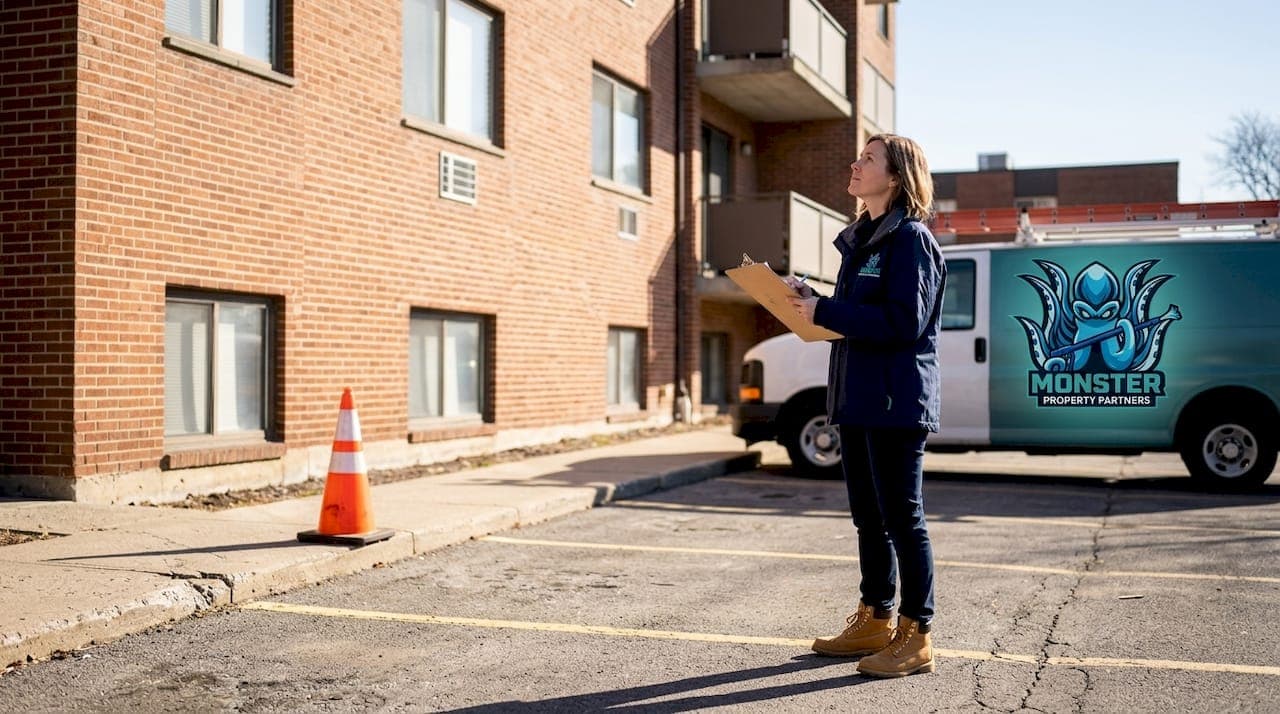
Exterior neglect is quietly draining value from multifamily portfolios across the country. 40% of structural failures trace back to overlooked exterior envelope defects, yet most property owners only act after damage becomes visible and expensive. For investors managing apartment buildings and multi-family units, that reactive pattern is a direct threat to asset performance. This guide breaks down the financial stakes, the components that matter most, and the preventive strategies that keep your buildings performing at their peak. If you want to protect your investment and extend the life of your assets, this is where to start.
Table of Contents
- Why exterior maintenance matters for asset longevity
- Key exterior components: Lifespan and failure risks
- Preventive strategies: Inspections, checklists, and maintenance cycles
- Financial impact: Value preservation and cost reduction
- A smarter long-term mindset for multifamily maintenance
- Partner with experts to maximize your property's longevity
- Frequently asked questions
Key Takeaways
| Point | Details |
|---|---|
| Neglect risks high cost | Deferred exterior maintenance leads to 3x higher expenses and frequent unplanned failures. |
| Focus on high-impact areas | Regular care for roofing, siding, windows, and facades provides the most value. |
| Prevention drives ROI | Preventive strategies boost asset value up to 18% and cut repair emergencies. |
| Consistent scheduling matters | Scheduled inspections and maintenance cycles extend life and slash long-term costs. |
| Expert guidance pays | Partnering with specialists ensures compliance and optimal asset longevity. |
Why exterior maintenance matters for asset longevity
To understand why maintenance matters, let's look at the hard numbers and what they mean for your investment.
The exterior of your building is its first line of defense. Rain, UV exposure, wind, and temperature swings attack siding, roofing, windows, and facades every single day. When those systems are neglected, the damage compounds fast. Preventive exterior maintenance is what stops water infiltration and structural degradation before they spiral into six-figure repairs.
"Deferred maintenance doesn't save money. It borrows against your asset's future at a very high interest rate."
The data backs this up hard. Inadequate maintenance causes 25% of all building damage, with roofs, windows, and exterior walls taking the hardest hits. And once deferred maintenance sets in, repair costs can triple compared to what preventive action would have cost. That's not a small margin. That's the difference between a profitable asset and a money pit.
Here's what's at stake when exterior maintenance gets pushed to the back burner:
- Accelerated material decay that shortens the functional life of siding, roofing, and windows
- Water infiltration that damages insulation, framing, and interior finishes
- Structural degradation that triggers insurance claims and code violations
- Tenant dissatisfaction that increases vacancy rates and turnover costs
- Reduced resale value that shrinks investor returns at exit
Strong asset preservation practices are what separate buildings that hold their value from those that quietly deteriorate. When you prioritize exterior maintenance as a core operating function rather than an optional line item, you're making a direct investment in long-term cash flow and portfolio resilience.
The math is straightforward. Prevention costs a fraction of repair. And the buildings that get consistent attention are the ones that attract better tenants, command higher rents, and sell at stronger premiums.
Key exterior components: Lifespan and failure risks
With the big-picture impact established, let's explore which parts of your building demand special attention.
Not every exterior component ages the same way. Material type, climate exposure, and maintenance history all shape how long a component lasts and how fast it fails when ignored. Understanding these differences helps you allocate budget and attention where it counts most.
| Component | Estimated lifespan | Primary failure risk |
|---|---|---|
| Brick veneer | 50+ years | Mortar erosion, water infiltration |
| Wood siding | 10 to 15 years | Rot, paint failure, insect damage |
| Vinyl siding | 20 to 40 years | Cracking, fading, impact damage |
| Asphalt roofing | 20 to 30 years | Shingle loss, flashing failure |
| Windows and seals | 15 to 20 years | Air and water leaks, frame decay |
Brick veneer lasts 50+ years while wood siding requires regular maintenance to reach even 10 to 15 years. That gap matters enormously when you're planning capital expenditure across a portfolio of buildings with mixed materials.
The most common failure points in multifamily exteriors include:
- Siding joints and seams where water finds entry points
- Roof flashing around chimneys, vents, and parapet walls
- Window frames and caulking that dry out and crack over time
- Foundation and grade-level surfaces exposed to moisture and freeze-thaw cycles
- Gutters and drainage systems that direct water away from the building envelope
When these components fail without intervention, the consequences move fast. Insurance claims rise, tenants complain, and the cost to restore the building climbs sharply. Knowing how to cut repair costs starts with knowing which components are closest to failure at any given time.
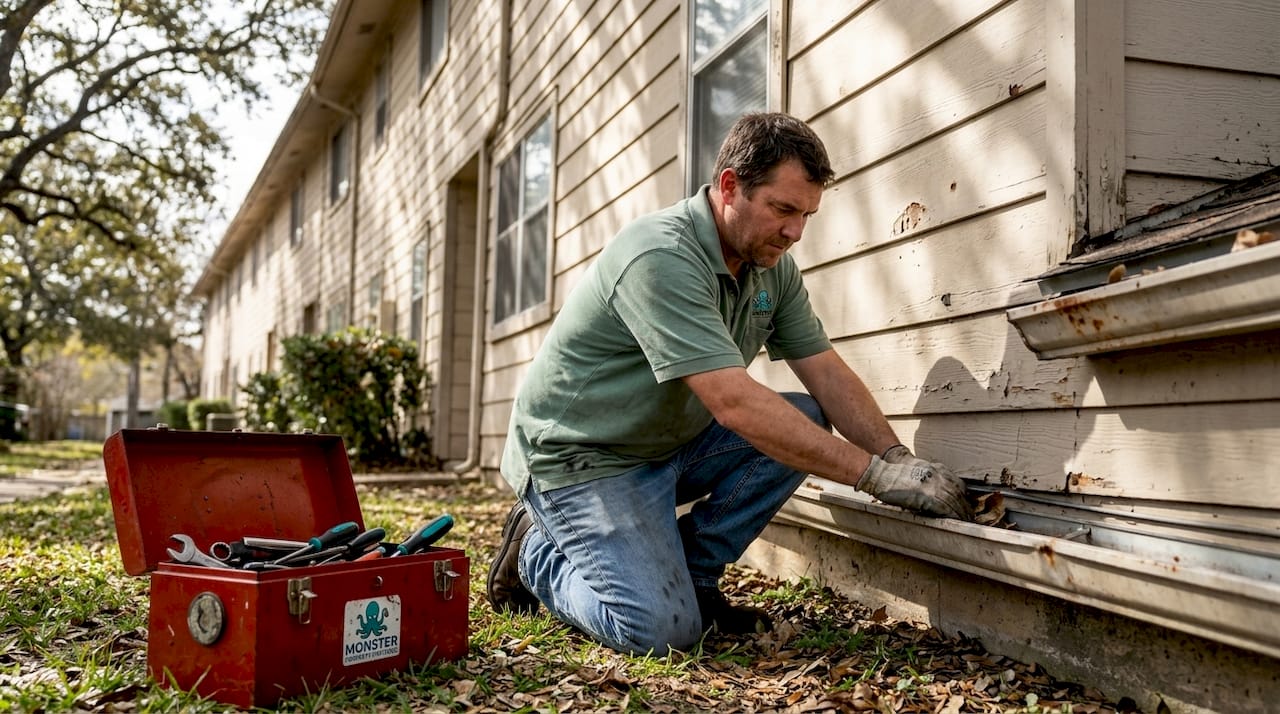
Pro Tip: Walk your property with a component-specific checklist at least twice a year. Small investments in caulking, sealing, and cleaning extend component life significantly and delay the large-scale replacement costs that hit portfolios hardest. These exterior care tips are simple to implement and deliver outsized returns.
Preventive strategies: Inspections, checklists, and maintenance cycles
Knowing what to watch for, let's discuss proactive steps to implement and stay ahead of costly repairs.
The most effective multifamily operators don't wait for problems to appear. They build systems that catch issues early, document conditions over time, and act before minor wear becomes major damage. Structured facade inspections can prevent up to 90% of catastrophic failures and add 12 to 18% to asset value. That's a compelling return on a relatively simple operational habit.
The cost difference between preventive and emergency action is stark:
| Maintenance type | Estimated cost per sq ft |
|---|---|
| Preventive maintenance | $8 to $25 |
| Emergency repair | $75 to $250 |
That's a 3x to 10x cost gap. Every dollar you spend on prevention keeps multiple dollars from walking out the door in emergency repair bills.
Here's a five-step cycle to build a reliable exterior maintenance routine:
- Inspect every major exterior component on a fixed schedule, at minimum each spring and fall
- Document findings with photos, notes, and condition ratings for each component
- Prioritize repairs based on severity, safety risk, and cost of delay
- Act promptly on high-priority items and schedule lower-priority work within the quarter
- Review completed work and update your asset records to track trends over time
Following clear maintenance checklist steps ensures nothing gets missed across a large portfolio.
Pro Tip: A computerized maintenance management system, known as a CMMS, transforms scattered work orders into a searchable record of your building's condition history. It helps you spot recurring issues, prove compliance, and make smarter capital planning decisions.
Financial impact: Value preservation and cost reduction
Once you put preventive strategies into practice, the financial benefits quickly follow.
Exterior maintenance isn't just a cost center. It's one of the highest-ROI activities available to multifamily property owners. The financial case is built on four interconnected benefits that compound over time.
Higher rents and buyer premiums. Well-maintained buildings attract quality tenants who stay longer and pay more. Clean exteriors boost value by signaling that ownership takes pride in the asset. At sale, buyers pay premiums for buildings with documented maintenance histories because they carry lower risk.
Reduced emergency repair expenses. Well-maintained facades add 12 to 18% to asset value and cut energy costs by up to 30%. Emergency repairs are not just expensive. They're disruptive to tenants and operations, often requiring rapid vendor sourcing at premium rates.
Energy efficiency gains. A sealed, well-insulated exterior reduces heating and cooling loads directly. Gaps in caulking, failed window seals, and deteriorated insulation all bleed conditioned air and drive up utility costs for owners and tenants alike.
Lower insurance exposure. Buildings with documented preventive maintenance programs present lower risk profiles to insurers. Proper maintenance can increase property value by 15%, and fewer claims mean lower premiums over time.
Here's a summary of the financial returns you can realistically expect:
| Benefit area | Expected impact |
|---|---|
| Asset value increase | 12 to 18% |
| Energy cost reduction | 15 to 30% |
| Emergency repair cost avoidance | Up to 3x savings |
| Tenant retention improvement | Lower turnover risk |
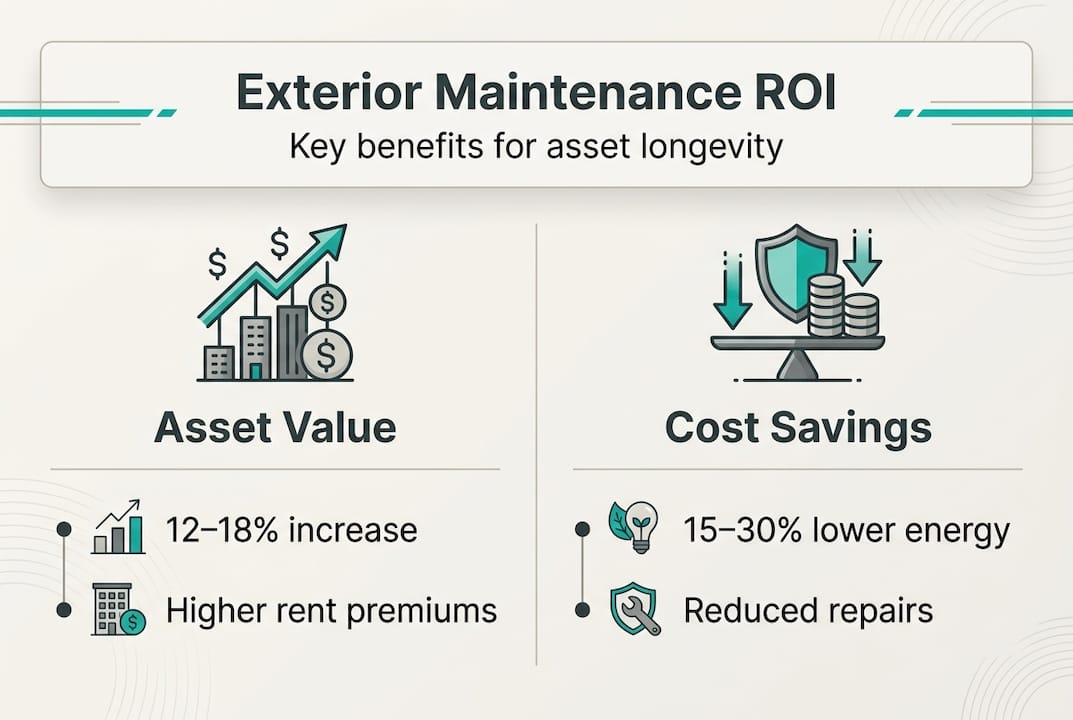
The buildings that extend building lifespan through consistent care are the ones that outperform peers in net operating income and long-term appreciation. The math is not complicated. It just requires discipline.
A smarter long-term mindset for multifamily maintenance
Now that we've covered the practical and financial sides, it's worth considering a shift in how you set your asset management priorities.
Here's the uncomfortable truth most asset managers don't talk about openly. Short-term budgets tempt property managers to defer maintenance, but long-term data consistently shows that prevention outperforms reaction by a wide margin. The problem is that deferred maintenance feels like savings until the bill arrives.
What's even more revealing is where maintenance costs actually come from. Unit and building characteristics drive external maintenance costs more than tenant behavior or occupancy patterns. That means your building's age, material quality, and maintenance history are the real cost drivers, not who's living there. This reframes the entire conversation. Exterior maintenance is a building-level investment, not a tenant-management issue.
At Monster Property Partners, we've seen this play out repeatedly across large portfolios. The operators who treat exterior maintenance as a core capital strategy, not a reactive expense, consistently outperform those who don't. Integrating a CMMS and following maintenance efficiency tips turns scattered reactive work into a predictable, data-driven system.
Make exterior maintenance a budget line item with its own schedule, vendor relationships, and performance metrics. That mindset shift is what separates resilient portfolios from fragile ones.
Partner with experts to maximize your property's longevity
Ready to put these best practices into action for your own portfolio?
Managing exterior maintenance across multiple buildings is operationally demanding. The right professional partner brings specialized equipment, trained crews, and scalable systems that most in-house teams simply can't match.
At Monster Property Partners, we specialize in large-scale exterior cleaning and maintenance programs built specifically for apartment buildings and multi-family assets. Our multifamily exterior services are designed to reduce owner headaches, ensure consistent results, and support the kind of long-term asset care that drives real financial returns. When you work with a dedicated exterior maintenance partner, you get predictable costs, documented results, and a building that holds its value through every market cycle.
Frequently asked questions
What are the most critical exterior elements to maintain in multifamily buildings?
Roofing, siding, windows, and the building envelope are the most critical exterior elements to maintain. 25% of all building damage stems from wear in these exact areas, making them the highest-priority targets for any inspection program.
How often should inspections and exterior maintenance be scheduled?
At minimum, schedule semi-annual inspections each spring and fall, plus prompt follow-up after any storm or severe weather event. Structured inspections prevent up to 90% of catastrophic failures when done consistently.
Does preventive exterior maintenance really pay off financially?
Absolutely. Preventive maintenance can add up to 18% to property value and reduce emergency repair costs by up to 3x. The 12 to 18% value increase combined with energy savings makes the ROI case straightforward for any serious investor.
Which factors impact exterior maintenance cost the most in multifamily settings?
Building age and unit characteristics carry more weight than tenant behavior. Unit and building traits drive maintenance costs more than occupancy patterns, which means your capital planning should focus on the building itself.
What are signs that exterior maintenance is overdue?
Visible cracking, water stains, loose or warped siding, peeling paint, and rising energy bills are all strong indicators that your building's exterior needs immediate attention. Don't wait for interior damage to confirm what the outside is already telling you.