
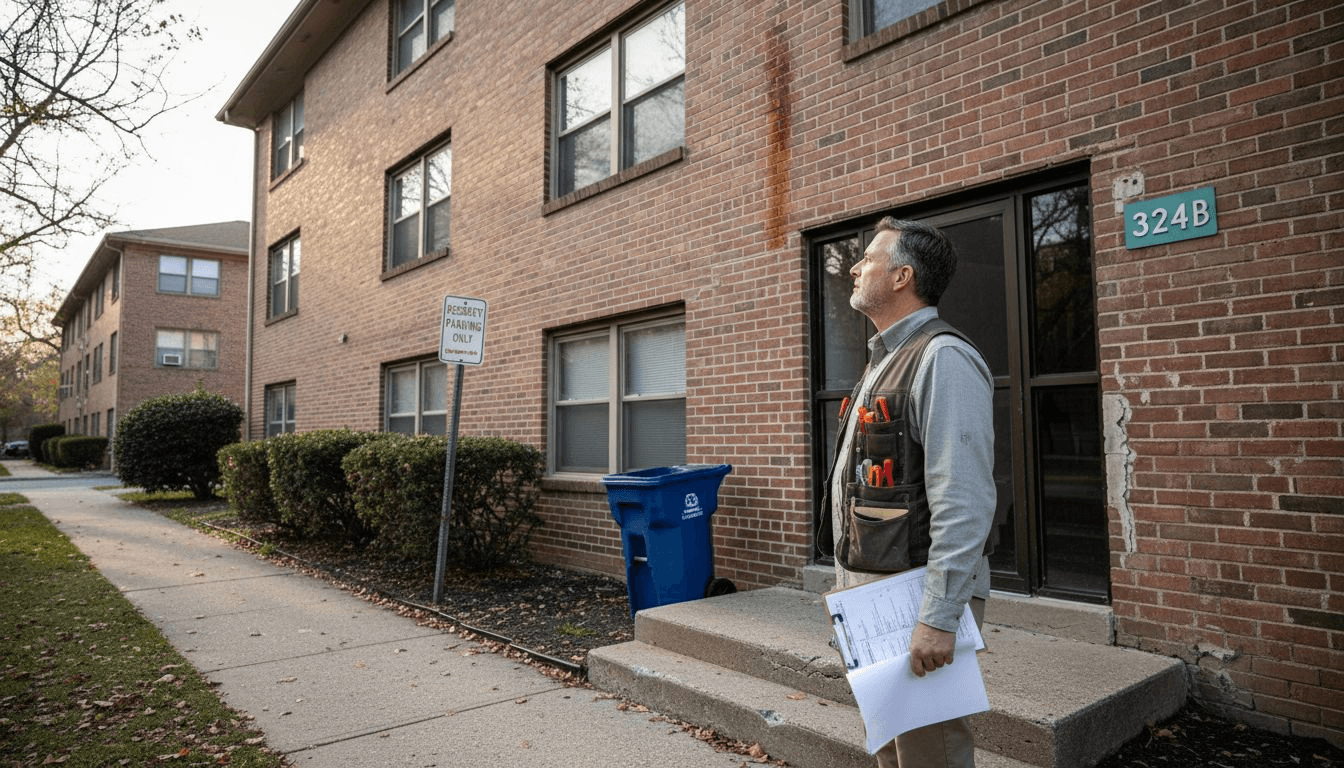
Managing a multi-family building in a city means confronting weather damage, code requirements, and resident expectations all at once. Smart property managers know that exterior problems get expensive fast if issues go unnoticed. By using a practical, step-by-step checklist, you can transform exterior maintenance into a straightforward routine instead of a stressful guessing game. Proactive assessment and thorough documentation keep buildings safe, budgets controlled, and costly emergencies at bay.
Table of Contents
- Step 1: Assess Exterior Surfaces And Structures
- Step 2: Schedule Routine Cleaning And Repairs
- Step 3: Inspect Facilities For Safety Compliance
- Step 4: Verify Cleanliness And Maintenance Results
Quick Summary
| Main Insight | Details |
|---|---|
| 1. Assess Exterior Surfaces | Inspect walls, roofing, and foundations for signs of damage regularly to avoid costly repairs. |
| 2. Schedule Routine Maintenance | Create a calendar for regular cleaning and preventive repairs to maintain building condition year-round. |
| 3. Ensure Safety Compliance | Conduct regular inspections to meet fire codes and safety standards, protecting residents and avoiding legal issues. |
| 4. Verify Maintenance Quality | Document and check completed work against standards to ensure all repairs meet quality expectations and resolve disputes. |
Step 1: Assess exterior surfaces and structures
Your building's exterior is its first line of defense against weather, pests, and structural damage. This assessment step identifies problem areas before they become costly repairs. You'll inspect walls, roofing, foundations, and all visible structural elements to establish a baseline for your maintenance plan.
Start by walking the entire perimeter of your building on a clear day. Look for obvious signs of damage like cracks, water stains, missing siding, or deteriorated mortar between bricks. Pay special attention to areas where different materials meet, such as where roofing meets walls or where windows frame the facade.
Check these key surfaces systematically:
- Brick and masonry walls for cracks, missing mortar, or efflorescence (white powder staining)
- Concrete foundations and walkways for spalling, cracks wider than 1/4 inch, or settling
- Roof condition including missing shingles, lifted flashing, or visible wear patterns
- Gutters and downspouts for debris, rust, or separation from the building
- Caulking and sealants around windows, doors, and trim for gaps or deterioration
- Drainage systems to ensure water flows away from the foundation
Documentation is crucial here. Take photos and notes of each area, including the location and severity of any issues. This visual record helps you prioritize repairs and track how problems develop over time. When managing multifamily exterior maintenance, comprehensive documentation becomes your maintenance roadmap.
Look for water-related damage especially carefully. Water infiltration causes more problems than any other factor in apartment buildings. Check for discoloration, soft spots, or mold growth that indicate moisture problems.
Document everything with photos and dates. This baseline assessment becomes your reference point for future inspections and helps justify maintenance expenses to ownership.
Don't overlook the small details. Crumbling caulk around a single window might seem minor, but it creates an entry point for water that can damage the wall cavity. Similarly, a small gap in flashing can lead to thousands of dollars in interior water damage over time.
Pro tip: Schedule your assessment after rain or during humid conditions when water damage and drainage issues become more visible, making it easier to spot potential problem areas.
Step 2: Schedule routine cleaning and repairs
A reactive approach to maintenance drains your budget and frustrates residents. Strategic scheduling prevents small issues from becoming emergencies that require expensive emergency repairs. You'll create a calendar that balances routine cleaning with preventive repairs, keeping your building in top condition year-round.
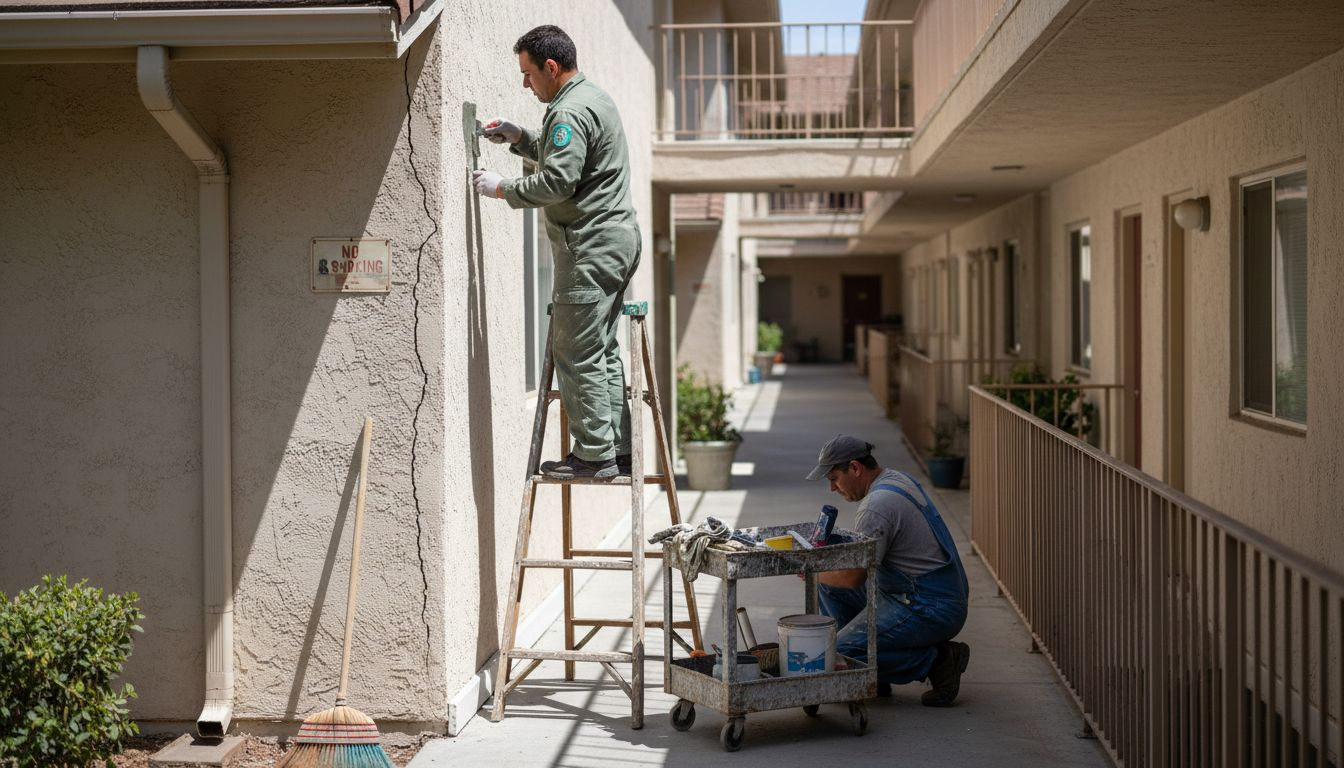
Start by mapping out your cleaning frequency based on your building's specific needs. High-traffic common areas need more frequent attention than side-facing walls. Weather patterns in your region matter too. Buildings in rainy climates require more frequent gutter cleaning, while those in arid zones focus on dust and debris removal.
Establish these core cleaning schedules:
- Monthly inspections of roofs, gutters, and drainage systems
- Quarterly deep cleaning of common areas, walkways, and facades
- Seasonal preparation before harsh weather arrives
- Weekly or bi-weekly pressure washing of high-traffic zones
- Annual professional inspections of all major systems
Document everything in a master maintenance calendar. Following planned preventative maintenance principles ensures you catch problems during their early stages when repairs cost less and cause minimal disruption.
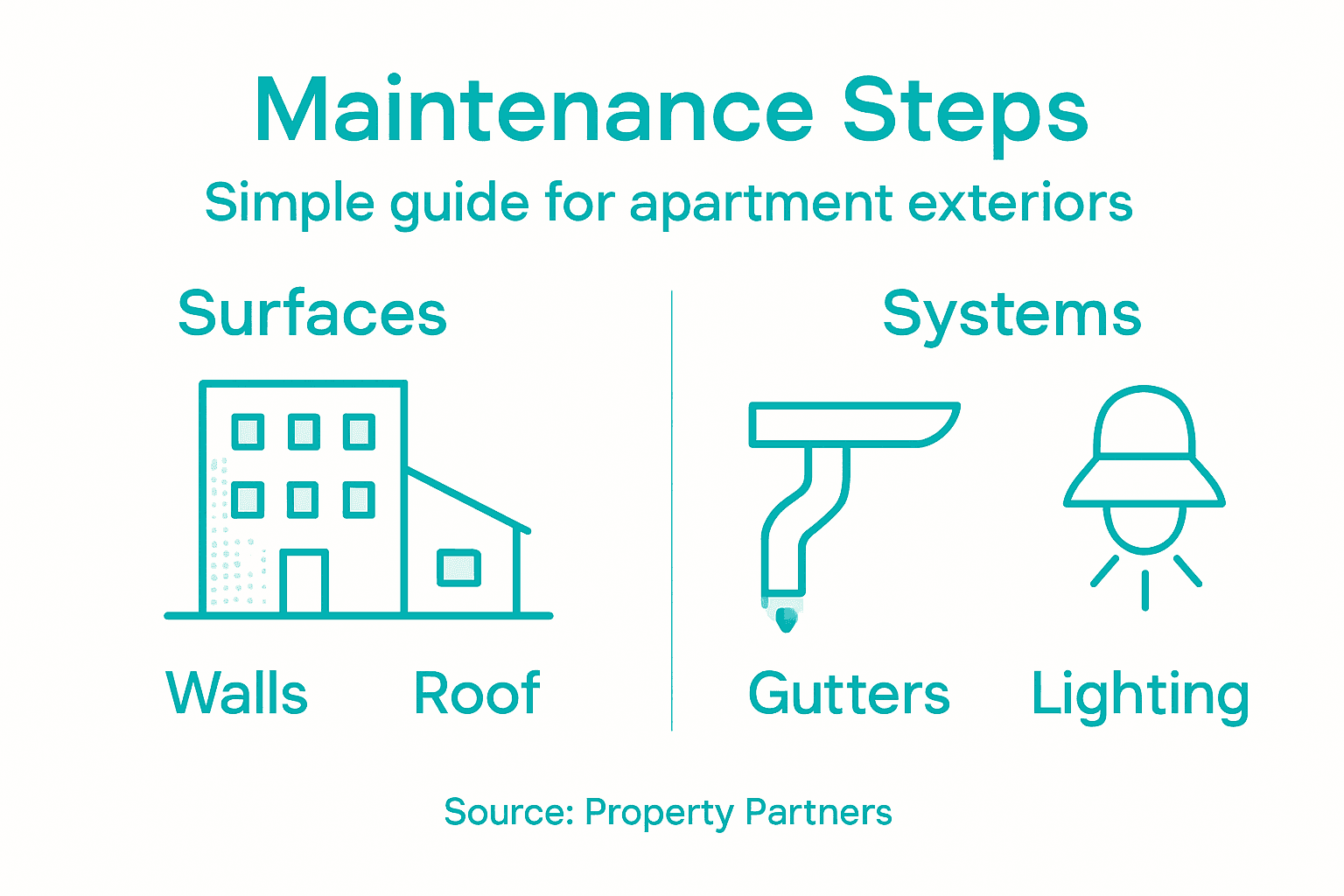
Pair routine cleaning with preventive repairs on your schedule. When cleaning gutters, inspect and repair any damaged sections immediately. While washing exterior walls, note areas needing caulk or sealant updates. This bundled approach maximizes efficiency and reduces labor costs.
Budget for both scheduled items and unexpected repairs. Reserve 15 to 20 percent of your annual maintenance budget for emergencies that fall outside your routine schedule. This financial buffer prevents service delays when urgent issues arise.
The table below compares proactive versus reactive maintenance approaches:
| Approach | Description | Long-Term Impact |
|---|---|---|
| Proactive | Scheduled, planned maintenance | Lower costs, fewer emergencies |
| Reactive | Wait for issues to occur | Higher expenses, more disruptions |
Systematic scheduling transforms maintenance from crisis management into a controlled, predictable process that protects your building and preserves your capital.
Communicate your maintenance schedule to residents so they can plan around major cleaning projects. Advanced notice reduces complaints and allows you to coordinate with residents who need access to exterior areas.
Pro tip: Create seasonal cleaning cycles that align with your region's weather patterns, scheduling pressure washing before winter rains and gutter cleaning before fall leaves arrive.
Step 3: Inspect facilities for safety compliance
Safety compliance isn't optional, and inspections aren't just boxes to check. Your building must meet fire codes, accessibility standards, and structural safety requirements that protect residents and shield you from liability. Regular inspections identify compliance gaps before code enforcement officials do.
Start by understanding which codes apply to your specific building. Most jurisdictions enforce fire codes, building codes, and accessibility standards. Your local building department can clarify exact requirements for your property. Following building code standards and safety requirements ensures you meet minimum expectations across fire safety, structural integrity, and occupant protection.
Inspect these critical safety systems:
- Fire suppression systems including sprinklers, extinguishers, and emergency lighting
- Exit routes and signage to confirm clear pathways and visible emergency markers
- Electrical systems for exposed wiring, overloaded outlets, or deteriorating conduits
- Handrails and guardrails ensuring they meet height and strength standards
- Accessibility features like ramps, door widths, and parking spaces for disabled residents
- Emergency communication systems that residents can use during crises
Document every inspection with photos and detailed notes. Create a compliance tracker showing what was inspected, what passed, and what needs correction. Prioritize life safety items like fire routes over aesthetic improvements.
Address violations promptly. When you discover a safety issue, don't delay repairs. Many codes establish strict timelines for correcting violations. Unresolved issues attract citations and potential fines.
Safety compliance protects your residents and your business. An inspection today prevents emergencies tomorrow and costly legal problems.
Consider hiring professional multifamily building inspectors annually to conduct comprehensive safety audits. They identify code violations you might miss and provide documentation showing due diligence if issues ever arise.
Train your maintenance staff on safety protocols. They're your eyes and ears between formal inspections, spotting emerging issues that need attention.
Pro tip: Schedule safety compliance inspections after major seasonal changes, such as after winter when freeze damage or storm damage might have occurred.
Step 4: Verify cleanliness and maintenance results
Completing work isn't the same as completing it well. Verification ensures your maintenance efforts actually solve problems and meet standards. You'll inspect finished work against established benchmarks to confirm contractors and staff delivered the quality you paid for.
Establish clear quality standards before work begins. Using APPA maintenance standards.pdf) provides measurable criteria for evaluating cleanliness and maintenance levels. These standards define what showpiece quality looks like versus acceptable maintenance versus poor condition, removing guesswork from your assessments.
Check these verification points systematically:
- Visual cleanliness including absence of dirt, debris, stains, and weathering on all surfaces
- Repair quality confirming fixes are complete, secure, and properly finished
- Drainage functionality ensuring water flows correctly away from the building
- Paint and sealant application checking for proper coverage and smooth finishes
- Equipment operation verifying repaired systems work as intended
- Safety hazard elimination confirming repairs didn't create new dangers
Document your verification with photos taken from consistent angles and lighting. Compare before and after images side by side. This documentation proves work was completed and becomes your record if disputes arise later.
Address incomplete or substandard work immediately. Don't accept partial completion or shortcuts. Require contractors to return and finish properly before final payment. Following maintenance outcome verification practices ensures sustained property condition and resident satisfaction.
Quality verification prevents repeated problems and protects your investment in maintenance.
Create a feedback loop. When you discover consistently excellent work from a vendor, reward them with continued business. When quality falls short, communicate specific issues so they can improve or lose the contract.
Track verification results over time. This data shows which maintenance approaches work best for your building and which vendors deliver reliably.
Here's a summary of documentation practices at each maintenance stage:
| Step | Key Documentation | Main Benefit |
|---|---|---|
| Exterior Assessment | Photos, issue notes | Track changes, justify repairs |
| Routine Cleaning | Master calendar entries | Ensure tasks completed on schedule |
| Safety Compliance | Inspection logs, compliance tracker | Demonstrate code adherence |
| Verification | Before/after photos, results log | Prove quality, resolve disputes |
Pro tip: Schedule verifications during daylight hours on dry days so you can accurately assess surface conditions and spot cleaning or repair issues that might be hidden by shadows or moisture.
Strengthen Your Apartment Building's Exterior with Expert Care
Maintaining your apartment building's exterior means tackling challenges like weather damage, water infiltration, and safety compliance head-on. From the article's detailed checklist, you know the importance of thorough assessments, routine cleaning, and quality verification to protect your investment and ensure resident satisfaction. Yet executing these steps efficiently requires trusted expertise and reliable service.
At Monster Property Partners, we specialize in delivering commercial pressure washing services tailored for multifamily properties. Our team understands how critical regular exterior cleaning and maintenance scheduling are in preventing costly repairs and upholding safety standards. By partnering with us, you gain:
- Consistent, high-quality cleaning that uncovers hidden damages early
- Strategic maintenance support aligned with your building's unique needs
- Clear communication and dependable service for large-scale projects
Learn more about how we serve multifamily exterior maintenance needs and why we are poised to be your most trusted partner. Don’t wait until small problems turn into expensive repairs. Take control of your building’s exterior upkeep today with expert help.

Ready to protect your property with professional exterior cleaning? Visit Monster Property Partners now and set up your maintenance program that keeps your apartment building safe, clean, and welcoming year-round.
Frequently Asked Questions
What should I include in my exterior maintenance checklist for apartment buildings?
Your exterior maintenance checklist should include assessments of walls, roofing, foundations, and drainage systems. Start by walking the perimeter of your building and document visible damages, such as cracks or water stains, to prioritize repairs effectively.
How often should I schedule routine cleaning and inspections?
Establish a routine maintenance schedule that includes monthly inspections of roofs and gutters, quarterly cleaning of common areas, and annual professional inspections of all major systems. By following this timeline, you can effectively address potential issues before they become costly emergencies.
What are the signs of water-related damage to look for?
Look for discoloration, soft spots, and mold growth, as these indicators typically signal moisture problems. Regularly inspect your building, especially after rain, to catch water-related issues early and prevent extensive damage.
How can I ensure safety compliance in my apartment building?
Conduct safety inspections that cover fire suppression systems, exit routes, and accessibility features. Document any safety issues found and address them promptly to maintain compliance and protect residents.
What documentation should I maintain throughout the maintenance process?
You should keep detailed records of all inspections and maintenance activities, including photos, notes on issues identified, and verification results. This documentation serves as proof of your maintenance efforts and helps track changes over time.
Recommended
- Monster Property Partners | Exterior Cleaning Orlando
- Services | Multifamily Exterior Cleaning | Monster Property Partners
- Portfolio Partnership | Monster Property Partners
- 7 Best Cleaning Tips for Apartments: A Simple Guide
- Essential Checklist for Boiler Maintenance: Step-by-Step Guide - Skan Plumbing & Heating
- Comprehensive Flat Roof Inspection Guide for Homeowners