
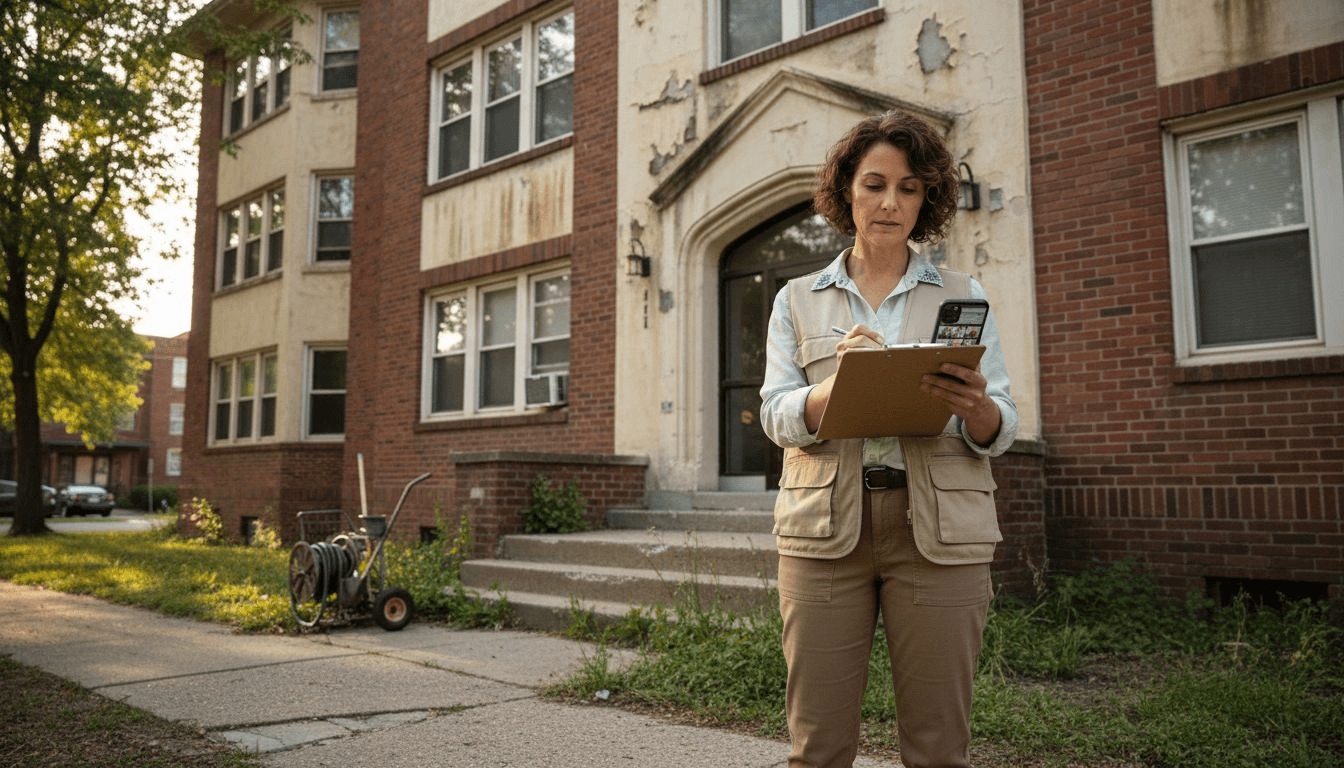
Grime and neglected surfaces can quickly erode the appeal of any apartment complex. For every American property manager, knowing exactly what materials make up your building’s exterior is an essential first step in protecting its value and keeping tenants happy. By focusing on critical building elements like exterior cladding and masonry, you can prevent major safety risks while customizing cleaning efforts for each surface’s needs.
Table of Contents
- Step 1: Identify Critical Exterior Surfaces And Materials
- Step 2: Inspect Property For Visible Dirt And Damage
- Step 3: Evaluate Tenant And Regulatory Cleaning Requirements
- Step 4: Prioritize Areas Based On Impact And Urgency
- Step 5: Verify Needs With Professional Assessment Tools
Quick Summary
| Key Point | Explanation |
|---|---|
| 1. Identify critical materials | Assess materials like concrete, wood, and metal for targeted cleaning and maintenance strategies. |
| 2. Systematic visual inspections | Conduct thorough inspections to spot dirt, damage, and prioritize maintenance needs effectively. |
| 3. Document cleaning requirements | Maintain a matrix to align cleaning procedures with tenant expectations and regulatory standards. |
| 4. Prioritize cleaning areas | Use a prioritization matrix to address urgent maintenance areas, balancing safety and appearance. |
| 5. Utilize professional tools | Leverage diagnostic tools for accurate assessments and proactive maintenance of exterior surfaces. |
Step 1: Identify critical exterior surfaces and materials
Decoding the exterior composition of apartment buildings is crucial for effective cleaning and maintenance planning. Understanding the unique materials and surfaces can help property managers develop targeted strategies that protect the structure and enhance its longevity.
Start by systematically examining your apartment complex's exterior. Key surfaces to assess include critical building elements like exterior cladding and masonry. Some critical materials you'll want to identify include:
- Concrete surfaces and panels
- Brick and masonry walls
- Metal siding or trim elements
- Wood structures and decorative features
- Stucco or textured wall systems
- Vinyl or composite siding materials
As you inspect these surfaces, pay close attention to signs of material degradation or potential environmental risk factors. Certain building materials can pose health and environmental concerns if not properly maintained.
Careful material identification is the foundation of effective exterior maintenance and cleaning strategies.
Professional property managers should document each surface type, noting its current condition, age, and specific maintenance requirements. This detailed inventory will guide future cleaning and preservation efforts.
Here's a summary showing how common apartment building exterior materials compare in maintenance needs and durability:
| Material Type | Typical Maintenance Needs | Durability Level |
|---|---|---|
| Concrete | Occasional sealing, stain removal | High—a decades-long lifespan |
| Brick & Masonry | Mortar repairs, cleaning | High—very resistant to weather |
| Metal Siding | Rust prevention, repainting | Moderate—may corrode over time |
| Wood | Repainting, rot inspection | Moderate—susceptible to decay |
| Stucco | Crack patching, periodic cleaning | Moderate—prone to cracking |
| Vinyl/Composite | Routine washing, inspection | Moderate—can fade or crack |
Pro tip: Create a digital spreadsheet or photographic inventory of your apartment complex's exterior surfaces to track their condition and maintenance history over time.
Step 2: Inspect property for visible dirt and damage
Conducting a comprehensive visual inspection is essential for identifying potential maintenance issues and preserving your apartment complex's exterior appearance. Property managers must develop a systematic approach to evaluating surfaces and detecting early signs of wear or contamination.
Facility risk assessments require thorough visual inspection techniques that help identify potential problems before they escalate. Focus your inspection on these key areas:
- Concrete surfaces for cracking or staining
- Exterior walls for discoloration or moisture damage
- Siding panels for dirt accumulation or material degradation
- Roofing edges and surfaces for debris or wear
- Window frames and architectural details for grime buildup
- Ground-level areas for potential splash marks or soil stains
Comprehensive facilities condition assessments emphasize the importance of documenting each observed condition systematically. Take detailed notes and photographs to create a comprehensive record of your findings.
Professional inspection reveals more than just dirt – it uncovers potential structural and maintenance risks.
Each observed issue should be categorized by severity, helping prioritize cleaning and repair efforts. Look for signs of long-term neglect that might require specialized treatment or extensive cleaning approaches.
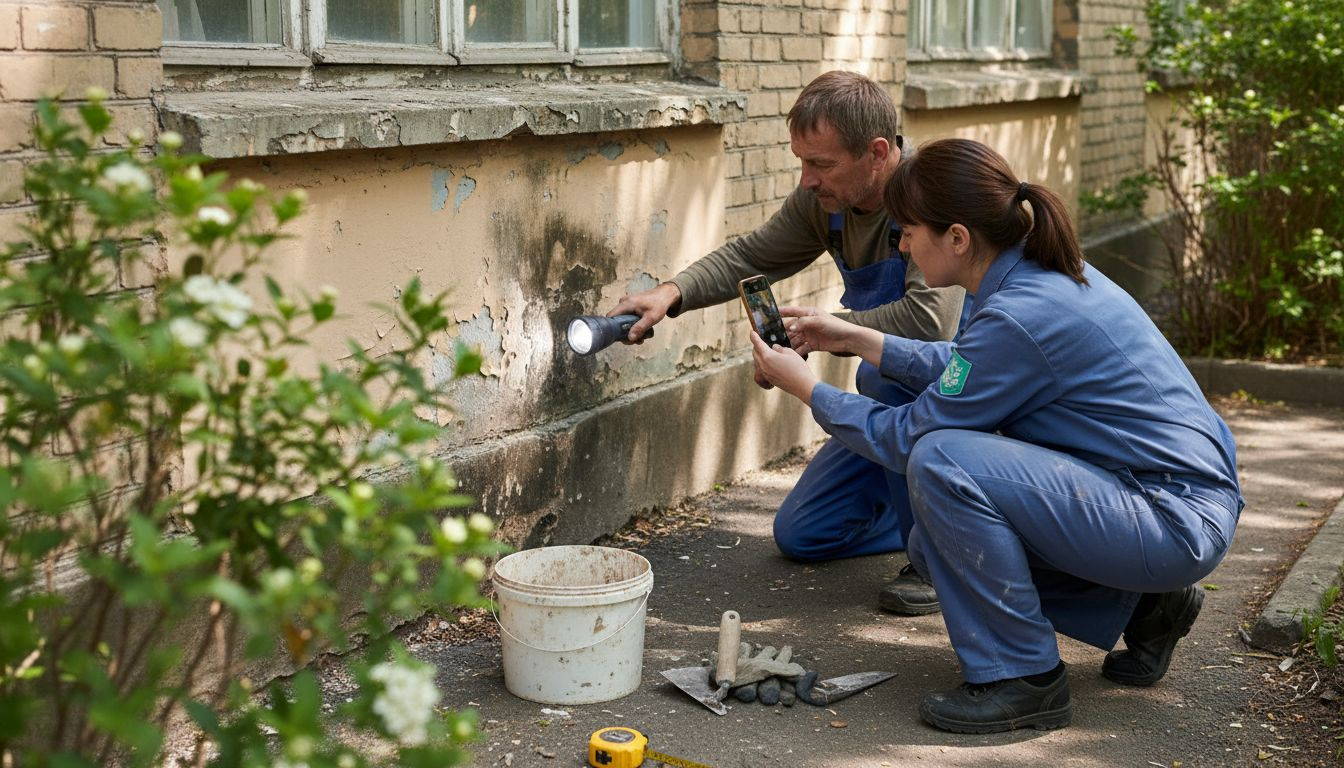
Pro tip: Use a standardized digital checklist with photo documentation to track and compare exterior condition across multiple inspection periods.
Step 3: Evaluate tenant and regulatory cleaning requirements
Navigating the complex landscape of tenant expectations and regulatory standards is crucial for developing a comprehensive exterior cleaning strategy. Property managers must balance multiple stakeholder requirements while maintaining compliance and tenant satisfaction.
Property condition assessment standards provide critical guidance for understanding cleaning expectations. Key areas to evaluate include:
- Local health codes and sanitation regulations
- Municipal exterior maintenance standards
- Tenant lease agreement specifications
- Insurance company maintenance requirements
- Environmental protection guidelines
- Accessibility and safety compliance standards
Cleaning validation protocols emphasize the importance of defining clear cleaning goals that meet both regulatory and tenant expectations. Document each requirement systematically to create a comprehensive compliance framework.
Effective cleaning strategies balance regulatory compliance with tenant satisfaction and property preservation.
Consider creating a detailed matrix that cross-references regulatory requirements with your current cleaning practices. This approach ensures you're not just meeting minimum standards but proactively addressing potential maintenance issues.
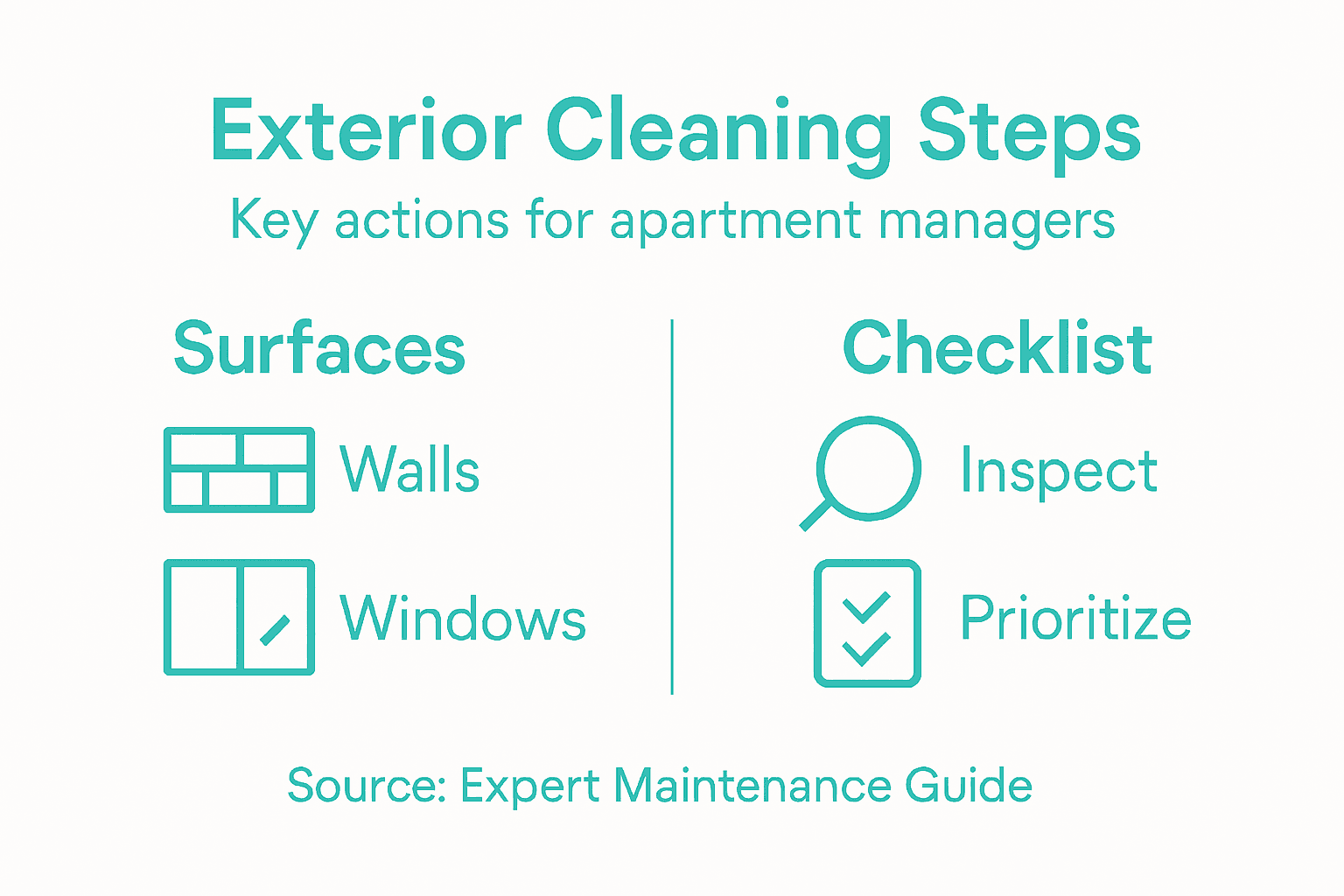
Pro tip: Develop a standardized checklist that maps regulatory requirements to specific cleaning procedures, making compliance tracking transparent and systematic.
Step 4: Prioritize areas based on impact and urgency
Transforming your exterior cleaning strategy requires a strategic approach to identifying and addressing the most critical maintenance needs. Property managers must develop a systematic method for ranking cleaning priorities that balances safety, appearance, and resource allocation.
Facility risk assessment frameworks provide essential guidance for evaluating cleaning urgency. Develop a prioritization matrix that considers multiple critical factors:
- Safety hazards that pose immediate risks
- Structural damage potential in neglected areas
- High-traffic zones with maximum visibility
- Moisture-prone surfaces susceptible to deterioration
- Tenant-reported maintenance issues
- Regulatory compliance requirements
Facilities condition assessment techniques recommend scoring each area based on multiple impact criteria. Assign numerical values to help objectively rank cleaning and maintenance needs, ensuring you address the most critical areas first.
Strategic prioritization transforms reactive maintenance into proactive property management.
Consider creating a color-coded system that visually represents the urgency and impact of different cleaning requirements. This approach helps quickly communicate priorities across your property management team.
Pro tip: Develop a digital scoring matrix that automatically calculates priority levels, allowing real-time updates and consistent evaluation of maintenance needs.
Step 5: Verify needs with professional assessment tools
Moving beyond visual inspections requires leveraging specialized diagnostic techniques that provide objective, comprehensive insights into your apartment complex's exterior cleaning requirements. Property managers need sophisticated tools to validate and quantify maintenance needs with precision.
Structural condition assessment techniques offer advanced methods for evaluating exterior surfaces. Professional assessment tools can help you diagnose complex maintenance challenges through:
- Moisture meter readings for water damage detection
- Infrared thermal imaging to identify hidden structural issues
- Surface roughness measurement instruments
- pH testing for material degradation analysis
- Electronic corrosion detection devices
- Microscopic surface analysis equipment
Property condition assessment standards recommend integrating multiple diagnostic approaches to develop comprehensive maintenance strategies. Combining observational data with empirical testing provides a more accurate picture of your property's exterior cleaning needs.
Professional assessment tools vary in purpose and benefits for exterior maintenance:
| Tool Type | Primary Use | Business Impact |
|---|---|---|
| Moisture Meter | Detect hidden water damage | Prevent costly repairs |
| Infrared Thermal Imaging | Find structural weaknesses | Improve risk management |
| Surface Roughness Instrument | Test finish condition | Plan surface restoration |
| pH Testing Kit | Check material degradation | Optimize material longevity |
Advanced diagnostic tools transform subjective observations into objective maintenance insights.
Consider partnering with professional assessment specialists who can provide comprehensive evaluations using cutting-edge technologies. Their expertise can uncover subtle maintenance requirements that might escape standard visual inspections.
Pro tip: Invest in annual professional assessment services that provide detailed diagnostic reports, helping you develop proactive and cost-effective exterior maintenance strategies.
Take Control of Your Apartment Exterior Cleaning with Expert Support
The article highlights the challenges property managers face when assessing diverse exterior materials and prioritizing maintenance to protect apartment buildings. You know how critical thorough inspections and aligning tenant and regulatory requirements are to avoid costly damage or tenant dissatisfaction. At Monster Property Partners we specialize in commercial pressure washing services tailored for apartment complexes. Our team understands the nuances of material-specific cleaning and uses advanced strategies to tackle the toughest dirt while preserving your property's integrity.
Don’t let hidden damages or overlooked surfaces put your investment at risk. Visit Monster Property Partners now and discover how our expert exterior cleaning solutions streamline maintenance for high-impact areas identified in your property assessments. Take the proactive step today to maintain curb appeal and stay fully compliant with all relevant standards. Learn more about how we align with your strategic needs and inspection insights at https://monsterpropertypartners.com.
Frequently Asked Questions
How do I identify critical exterior surfaces in my apartment complex?
Start by systematically examining the building's exterior to locate key surfaces such as concrete, brick, wood, and metal. Document the type and condition of each material to develop an effective cleaning and maintenance plan.
What are the common signs of damage that I should look for during an inspection?
Look for visible signs such as cracks, stains, discoloration, or moisture damage on surfaces like concrete and siding. Conduct regular visual inspections and take notes to prioritize cleaning and repair efforts based on severity.
How do I evaluate tenant expectations for exterior cleaning?
Start by reviewing tenant lease agreements and local health codes to understand their expectations regarding cleanliness and maintenance. Create a checklist that maps tenant requirements to your current cleaning practices for better compliance and satisfaction.
What factors should I consider when prioritizing cleaning areas?
Evaluate areas based on safety hazards, structural damage potential, and tenant-reported issues. Rank these factors to determine which areas require immediate attention, focusing on high-traffic zones and moisture-prone surfaces.
What tools can I use to verify exterior cleaning needs?
Utilize specialized tools such as moisture meters and infrared thermal imaging to identify hidden maintenance issues. Implement regular assessments with these tools to develop a comprehensive approach to maintaining the exterior of your apartment complex.
How often should I conduct exterior inspections for cleaning needs?
Aim to conduct detailed exterior inspections at least twice a year, or after significant weather events. Create a digital checklist to track and compare the condition of surfaces over time, helping you stay proactive in maintenance efforts.
Recommended
- Monster Property Partners | Multifamily Exterior Cleaning Orlando FL
- Monster Property Partners | Multifamily Exterior Cleaning Orlando FL
- Portfolio Partnership | Monster Property Partners
- Cleaning in Apartment Health – Why It Matters Most
- 7 Essential Apartment Cleaning Tasks for Spotless Living – Majic Maids Cleaning Services
- Efficient Apartment Cleaning Checklist Guide for Busy Lives | Rozie - Malta's Best Cleaning Services