
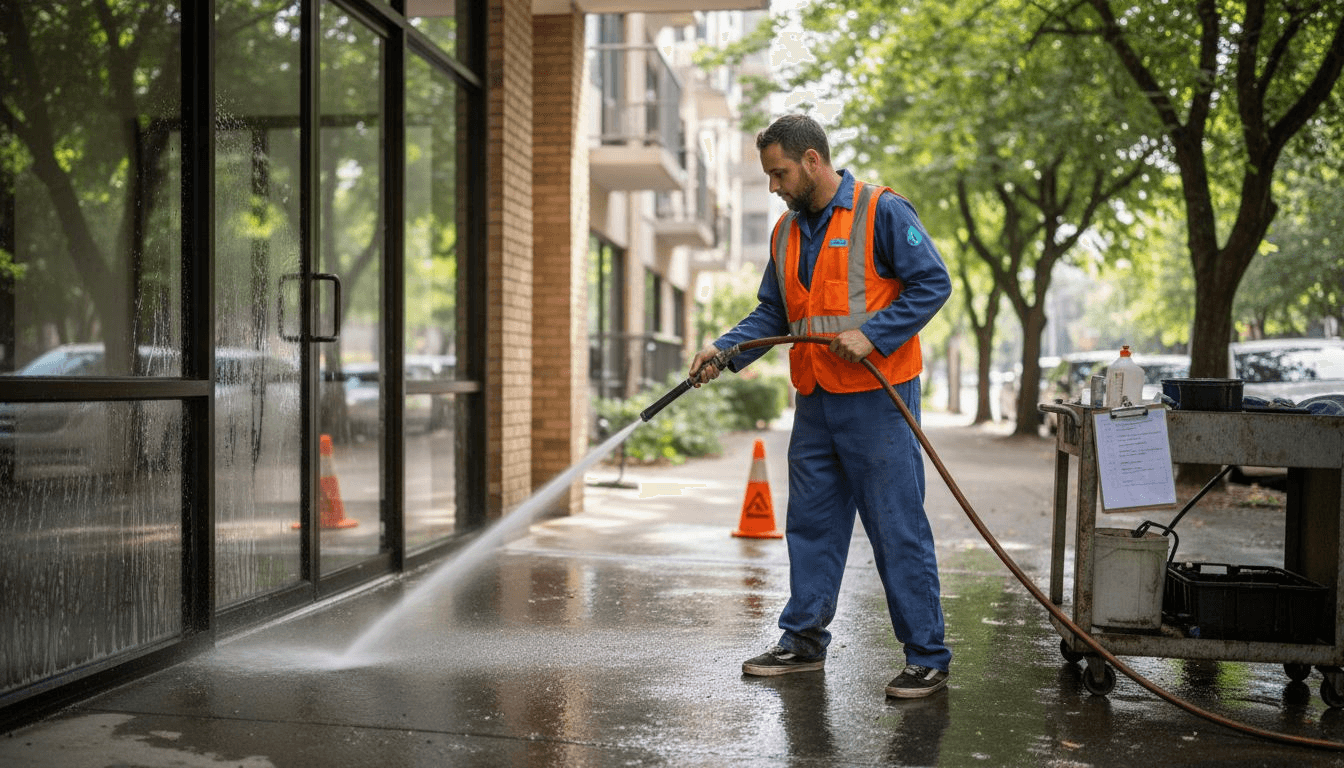
Managing large apartment complexes in busy cities means facing constant challenges with grime, weathering, and unpredictable contaminants on building exteriors. As a property manager, knowing the core concepts of exterior cleaning standards helps you set clear expectations, compare vendor proposals confidently, and protect your property’s value. This resource unpacks internationally recognized guidelines, material-specific cleaning approaches, and documentation strategies so you can achieve consistent results while minimizing risk and liability.
Table of Contents
- Core Concepts Of Exterior Cleaning Standards
- Types Of Commercial Exterior Cleaning Methods
- Key Compliance And Certification Requirements
- Environmental Regulations And Sustainable Practices
- Health, Safety, And Liability Controls
- Common Pitfalls And Best Practice Solutions
Key Takeaways
| Point | Details |
|---|---|
| Understanding Cleaning Standards | Adhering to established exterior cleaning standards helps ensure consistent quality and protects against liability. |
| Method Selection is Crucial | Choose cleaning methods based on specific material needs to avoid damage and enhance effectiveness. |
| Documentation is Essential | Maintain detailed records of cleaning activities to support compliance, liability management, and operational assessments. |
| Training and Certifications Matter | Ensure cleaning partners have relevant certifications to confirm their expertise and adherence to safety protocols. |
Core Concepts of Exterior Cleaning Standards
Exterior cleaning standards exist to protect both your property and the people living there. These standards define what constitutes professional-grade cleaning, how to measure cleanliness objectively, and what methods deliver results that actually last. For property managers overseeing large apartment complexes, understanding these core concepts means the difference between reactive maintenance and strategic asset management.
The foundation of industry standards rests on established frameworks that guide professional practice. IICRC standards represent internationally recognized, ANSI-accredited guidelines that define best practices for inspection, cleaning, and restoration work across different property types and surfaces. These standards emerged through rigorous consensus with input from industry experts, creating a foundation that training programs, certifications, and field teams reference worldwide. Similarly, InterNACHI standards of practice outline definitions, scope, and material defect identification for residential property exteriors, helping teams consistently apply maintenance expectations and report findings accurately.
Why these standards matter to you:
- They establish baseline expectations for cleaning frequency, methods, and acceptable outcomes
- They provide objective measures for determining whether a cleaning job meets professional quality
- They offer legal protection when disputes arise about work quality or property damage
- They ensure consistent results across your entire portfolio, regardless of which cleaning team handles each building
- They help you communicate expectations clearly to vendors and residents
Think of standards as a shared language. When you hire a cleaning partner, both parties understand what "pressure washing to IICRC standards" actually means. You're not arguing over vague terms like "clean" or "fresh-looking." You're referencing specific pressure levels (typically 1500-3000 PSI depending on surface material), acceptable dwell times, and pre-treatment protocols that protect surfaces while removing years of accumulation.
The practical application goes deeper than just knowing the standards exist. Your buildings face specific challenges: the grime buildup varies by climate and proximity to busy streets, different materials require different approaches, and what works for one building's brick facade might damage another's delicate stone. Standards account for these variables through material-specific guidelines. Concrete walkways tolerate higher pressure than aluminum trim. Vinyl siding requires gentler approaches than hardened stucco. These distinctions prevent costly damage that undermines property value and creates liability exposure.
Standards aren't bureaucratic red tape—they're the accumulated wisdom of professionals who've learned what works and what doesn't through years of real-world experience.
Compliance also connects to liability and insurance considerations. When you maintain properties according to recognized industry standards, you document due diligence. If an incident occurs—a slip and fall on a poorly maintained walkway, mold growth that wasn't addressed, or surface damage from improper cleaning—your adherence to established standards demonstrates you acted reasonably and professionally. This documentation becomes crucial in claims disputes.
Many property managers underestimate how standards affect tenant retention and leasing velocity. Prospective residents touring a property notice clean exteriors before they ever step inside. Buildings that maintain high exterior standards command higher rents, experience shorter vacancy periods, and generate positive word-of-mouth referrals. The investment in standards-compliant cleaning directly impacts your bottom line through occupancy rates and price positioning.
Pro tip: Document every exterior cleaning performed on your properties using standardized reporting that references which standards guided the work—this creates an audit trail that protects you during lease disputes, insurance claims, or liability investigations.
Types of Commercial Exterior Cleaning Methods
Not all exterior cleaning jobs require the same approach. Your apartment complex might need window washing one month, concrete surface restoration the next, and graffiti removal after that. Understanding the different methods available helps you select the right tool for each task, protect your building materials, and avoid costly damage from improper cleaning techniques.
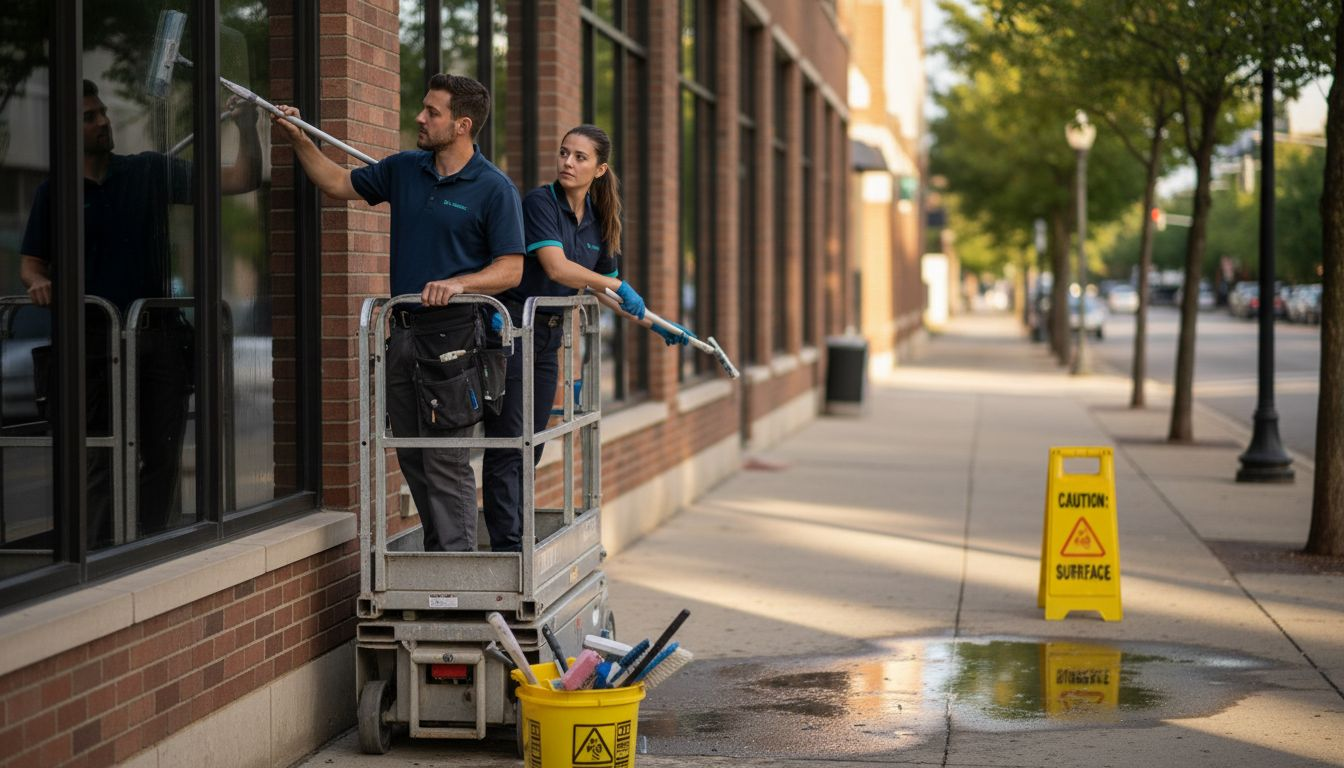
Commercial cleaning encompasses various job duties that go far beyond basic sweeping and trash removal. Window washing, graffiti removal, and specialized surface treatments all fall under the commercial cleaning umbrella. The method you choose depends on what you're cleaning, how soiled the surface is, and what materials you're working with. Concrete handles aggressive pressure washing that would destroy vinyl siding. Brick requires different approaches than delicate stone or stucco. Your goal is selecting a method that achieves cleanliness without compromising the integrity of the building envelope.
Pressure Washing and Water-Based Methods
Pressure washing remains the most common exterior cleaning method for apartment complexes because it works effectively on multiple surface types. High-pressure water streams remove accumulated dirt, algae, mold, and weathering stains that accumulate over months and years. The method is relatively quick, minimizes chemical use, and leaves surfaces looking renewed without harsh residues.
Proper pressure washing demands precision:
- Pressure levels typically range from 1,500 to 3,500 PSI depending on surface material
- Concrete and brick can handle 3,000-3,500 PSI without damage
- Softer materials like stucco or vinyl siding require 1,500-2,500 PSI to prevent etching or gouging
- Pre-treatment with biodegradable detergents breaks down stubborn stains before pressure application
- Proper nozzle selection and technique prevent surface damage and water intrusion
Pressure washing isn't just about spraying water harder—it's about understanding material properties and adjusting your approach accordingly.
Mechanical Cleaning Techniques
Mechanical cleaning processes like brushing, grinding, and polishing offer alternatives when water pressure alone won't remove contaminants. These methods work particularly well for removing corrosion, scale, paint residue, and stubborn deposits from metal surfaces, concrete, and wood elements. Mechanical approaches also reduce reliance on chemical solvents, which decreases safety hazards and environmental impact on your property and surrounding grounds.
Common mechanical methods include:
- Soft-bristle brushing for delicate surfaces that can't tolerate high pressure
- Power brushing for concrete walkways and durable surfaces requiring vigorous scrubbing
- Grinding for removing paint, coatings, or heavy scale from concrete
- Sanding for smoothing surfaces and removing weathered finishes
- Polishing for restoring shine to metal trim and fixtures
These techniques require trained operators who understand material compatibility. The wrong brush speed or technique can still cause damage, so selecting experienced cleaning partners becomes critical.
Chemical and Specialty Cleaning
Some situations demand chemical treatments that go beyond what water and mechanical action can achieve. Mold, mildew, and algae growth on shaded areas require specialized treatments. Rust stains from metal oxidation need chelating agents. Efflorescence (white mineral deposits) on masonry requires acid-based solutions.
When chemical treatments become necessary, follow these principles:
- Use biodegradable or environmentally responsible products whenever possible
- Verify chemical compatibility with your specific building materials before application
- Allow proper dwell time for the treatment to work effectively
- Rinse thoroughly to prevent chemical residue that attracts dirt
- Protect landscaping and storm drains from runoff
The trend in commercial cleaning moves toward reducing hazardous chemical use due to liability concerns and environmental regulations. Many modern cleaning companies now offer plant-based alternatives that deliver comparable results without the safety risks of traditional solvents.
Selecting the Right Method for Your Situation
Your building materials, climate conditions, and budget constraints all factor into method selection. A building in a humid coastal area faces different challenges than one in an arid climate. Salt spray accelerates corrosion, requiring more frequent specialized treatments. Dry climates produce dust accumulation requiring gentler approaches. Buildings under mature trees deal with organic growth that requires different protocols than those in open areas.
The best cleaning method is the one that removes the problem without creating new ones—efficiency matters less than protecting your asset.
Working with partners who understand your specific property conditions ensures they recommend appropriate methods rather than a one-size-fits-all approach. They should assess surface conditions, identify material types, and propose cleaning protocols tailored to your situation rather than defaulting to their standard procedures for every building.
Pro tip: Document which cleaning methods work best on each building element—exterior cleaning logs noting pressure levels, dwell times, and chemical treatments used create a reference guide for future cleanings and help you identify which methods deliver best results while minimizing damage risk.
To help you select the best cleaning approach for various exterior surfaces, here's a comparison of common commercial methods:
| Cleaning Method | Best For | Typical Risks | Notes |
|---|---|---|---|
| Pressure Washing | Concrete, brick, stone | Surface etching, water entry | Use lower PSI for delicate materials |
| Mechanical Brushing | Wood, painted trim, metal | Abrasions, scratches | Requires trained operators, avoid overuse |
| Chemical Treatments | Mold, algae, stains | Residue, chemical damage | Verify material compatibility and rinse well |
| Dry Polishing | Metal fixtures, hard stone | Over-polishing, loss of shine | Ideal for detailed restoration projects |
Key Compliance and Certification Requirements
Certifications and compliance standards separate professional cleaning operations from amateur efforts. When you hire a cleaning partner for your apartment complex, you need assurance that they understand industry best practices, follow safety protocols, and maintain accountability for their work. Certifications provide that documentation. They signal that a company has invested in training, understands material-specific requirements, and commits to quality standards that protect your property.
Compliance isn't optional—it's foundational. Property managers face liability exposure when exterior maintenance falls below accepted industry norms. If a tenant slips on an improperly maintained walkway or algae growth causes structural damage, your documentation of compliance efforts becomes critical. Insurance carriers expect you to maintain properties according to recognized standards. Lenders scrutinize property condition as part of their risk assessment. Prospective buyers evaluate maintenance records when considering acquisition. Every compliance decision affects your property's valuation, insurability, and operational risk.
Professional Certifications and Training
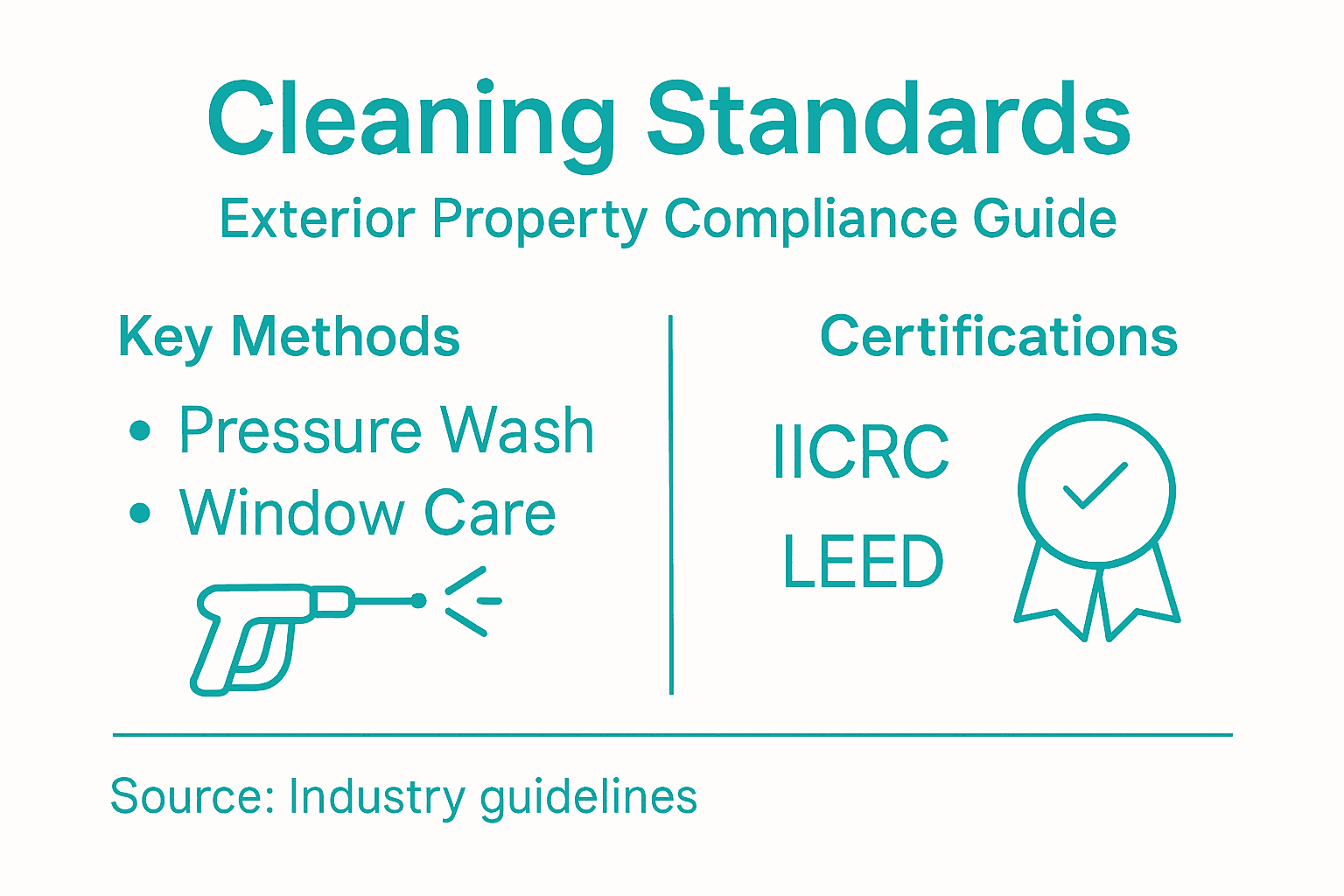
Certification programs for professionals ensure commitment to quality and compliance with industry standards. These accredited, voluntary programs are based on globally recognized standards like ASTM, ANSI, NFPA, and CSA. When cleaning professionals hold relevant certifications, they've demonstrated knowledge of safety protocols, material compatibility, and best practices specific to exterior cleaning. Look for certifications that specifically address pressure washing, surface restoration, and chemical treatment protocols.
Key certifications to verify include:
- IICRC certifications for cleaning and restoration specialists
- ASTM product certifications for cleaning solutions and equipment
- Safety certifications like OSHA 10-Hour for workers handling pressure washing equipment
- Water damage restoration certifications for mold and moisture remediation
- Manufacturer-specific training for specialized equipment operation
These certifications require ongoing education. The best cleaning partners maintain current credentials and refresh their knowledge regularly as techniques evolve and new standards emerge. When vetting potential cleaning contractors, request documentation of current certifications and verify them through issuing organizations.
Certifications aren't just impressive credentials—they represent ongoing commitment to staying current with evolving best practices and safety standards.
Compliance Standards and Professional Guidelines
The Exterior Design Institute focuses on improving building health and safety through education, training, and certification in exterior cleaning. Its standards of practice and ethical codes guide compliance efforts for professionals committed to quality remediation and maintenance. Following these standards ensures your cleaning operations meet expectations recognized across the industry.
Compliance requirements your cleaning partner should understand include:
- Material assessment protocols to identify surface types before cleaning begins
- Pressure level specifications for different materials (concrete vs. vinyl, for example)
- Pre-treatment and dwell time requirements for chemical applications
- Water runoff management to prevent environmental contamination
- Documentation standards for recording what was cleaned, when, and how
- Safety protocols for equipment operation and chemical handling
- Waste disposal procedures compliant with local environmental regulations
Your cleaning partner should be able to explain why they're using specific methods rather than defaulting to standard procedures for every job. They should assess your building materials, climate conditions, and current contamination levels before recommending an approach. This customized assessment demonstrates expertise and reduces damage risk.
Documentation and Record-Keeping
Compliance only matters if you can prove it. Maintain detailed records of all exterior cleaning performed on your properties. Document dates, methods used, pressure levels applied, chemical treatments deployed, and any damage discovered during cleaning. This audit trail protects you in liability disputes and insurance claims.
Your documentation should include:
- Before and after photographs of cleaned areas
- Cleaning method and equipment used for each job
- Chemical products applied with safety data sheets
- Water pressure levels and nozzle types used
- Treatment dwell times and rinsing procedures
- Any damage observed and how it was addressed
- Names and certifications of personnel performing work
When incidents occur—a slip and fall, surface damage, or mold growth—your detailed records demonstrate you maintained reasonable care and followed industry standards. Insurance adjusters and attorneys reference these records extensively. Properties with comprehensive maintenance logs settle claims more favorably than those with minimal documentation.
Ongoing Monitoring and Updates
Industry standards evolve. New cleaning technologies emerge. Environmental regulations tighten. Your compliance program must evolve alongside these changes. Schedule annual reviews of your cleaning protocols and compare them against current IICRC standards, ASTM guidelines, and local regulatory requirements. Update your procedures accordingly.
Working with a cleaning partner who actively monitors industry developments ensures you stay current without needing to become an expert yourself. Ask potential partners how they stay informed about new standards and updated best practices. Their answer reveals whether they're actively engaged in the industry or simply repeating established routines.
Pro tip: Create a compliance checklist specific to your building portfolio that details which standards apply to each surface type, then have your cleaning partner initial off on each item after completion—this creates accountability and provides evidence of adherence if disputes arise.
Here's a summary of how cleaning standards and certifications benefit your property management:
| Standard/Certification | What It Delivers | Impact on Property |
|---|---|---|
| IICRC/ANSI Standards | Industry best practices | Lower liability, higher value |
| ASTM Product Certification | Verified safe equipment/products | Reduced damage risk |
| OSHA Safety Training | Worker safety protocols | Fewer workplace incidents |
| Environmental Compliance | Legal waste/water practices | Avoid fines, improve image |
Environmental Regulations and Sustainable Practices
Environmental regulations shape how you clean your apartment buildings. What you pour down storm drains, the chemicals you spray on surfaces, and the water runoff from pressure washing all have regulatory implications. Property managers who ignore these requirements face fines, liability exposure, and reputational damage in communities increasingly conscious of environmental stewardship. Smart managers integrate sustainable practices into their cleaning protocols, reducing regulatory risk while demonstrating corporate responsibility to residents and prospective tenants.
Compliance with environmental regulations isn't just about avoiding penalties. It's about protecting groundwater, local waterways, and ecosystems that your community depends on. When cleaning chemicals and sediment-laden runoff enter storm drains, they bypass treatment facilities and flow directly into rivers and wetlands. Pressure washing waste carries years of accumulated contaminants—lead paint dust, mold spores, algae toxins—into the environment. Your cleaning practices have downstream consequences that extend far beyond your property boundaries.
Understanding Environmental Regulations
EPA guidance documents provide updated information to increase transparency and assist in implementing environmental regulations related to cleaning and maintenance activities. These include policy statements, handbooks, and manuals supporting compliance with environmental protection standards. Your cleaning partner should understand local and federal regulations governing water discharge, chemical disposal, and stormwater management. Requirements vary significantly by location, so what's compliant in one jurisdiction might violate regulations elsewhere.
Key regulatory areas affecting exterior cleaning include:
- Stormwater pollution prevention regulations limiting what enters storm drains
- Chemical discharge standards for cleaning solutions and treatments
- Waste disposal requirements for pressure washing residue and contaminated water
- Air quality regulations affecting equipment use and chemical application
- Local water board restrictions on runoff volume and quality
- Hazardous materials regulations for storage and handling of cleaning chemicals
Your cleaning partner should provide documentation showing they understand these requirements and have protocols in place to comply. Ask them how they manage stormwater runoff, where chemical waste goes, and what precautions prevent environmental contamination. Their answers reveal whether they view compliance as a checkbox or a genuine commitment.
Environmental regulations exist because previous generations learned the hard way that uncontrolled pollution creates expensive cleanup costs and community health problems.
Sustainable Cleaning Practices
Sustainable practices reduce environmental impact while delivering effective cleaning results. Switching from harsh chemical solvents to biodegradable alternatives protects waterways without compromising cleaning power. Using appropriate pressure levels instead of excessive force reduces water consumption and waste generation. Pre-treating surfaces to break down contaminants minimizes the overall resources required for cleaning.
Practical sustainable approaches include:
- Using biodegradable, plant-based cleaning solutions instead of petroleum-based chemicals
- Adopting dry-cleaning methods like mechanical brushing when water isn't necessary
- Implementing water recycling systems to reuse pressure washing water for initial rinses
- Capturing and properly disposing of pressure washing residue instead of allowing it to enter storm drains
- Applying precise, targeted pressure levels based on surface material rather than using maximum force universally
- Scheduling cleaning during weather conditions that minimize runoff impact
- Using containment systems to prevent chemical spills and soil contamination
These practices often cost more upfront but generate long-term savings through reduced water consumption, lower chemical costs, and avoiding fines for environmental violations. More importantly, they align your property management with community values around environmental responsibility.
ISO Environmental Management Standards
ISO environmental management standards provide practical tools and frameworks for organizations to comply with legal requirements and achieve operational excellence. ISO 14001 establishes environmental management systems that systematically address environmental impacts. Organizations using ISO 14001 frameworks demonstrate commitment to continuous improvement in environmental performance.
Applying ISO principles to your exterior cleaning operations means:
- Identifying environmental impacts of current cleaning practices
- Setting goals for reducing those impacts year over year
- Training staff and contractors on environmental compliance requirements
- Monitoring compliance through documentation and audits
- Reviewing performance regularly and adjusting procedures to improve results
You don't need formal ISO certification to apply these principles, though some property managers pursue certification for competitive advantage. The framework itself—structured identification of impacts, goal-setting, training, monitoring, and continuous improvement—creates accountability that ensures environmental considerations stay central to decision-making.
Building Green Credentials
Many modern apartment buildings pursue green certifications like LEED (Leadership in Energy and Environmental Design) or similar programs that require documented environmental responsibility. Your exterior cleaning practices directly affect these certifications. Using sustainable cleaning methods, managing stormwater properly, and documenting environmental compliance all contribute to achieving and maintaining green building status.
Tenants increasingly demand environmentally responsible property management. Highlighting your commitment to sustainable exterior cleaning in leasing materials attracts environmentally conscious residents willing to pay premium rents. This market advantage makes sustainability investments financially sound beyond just risk mitigation.
Pro tip: Request your cleaning partner provide a sustainability report documenting what cleaning methods they use, which products are biodegradable, and how they manage runoff—this documentation supports your sustainability claims and demonstrates due diligence if environmental compliance questions arise.
Health, Safety, and Liability Controls
Exterior cleaning operations expose workers and residents to genuine hazards. High-pressure water streams can cause serious injuries. Chemical treatments present respiratory and skin exposure risks. Working at heights on building facades creates fall hazards. Slippery surfaces from cleaning operations increase slip-and-fall incidents. Property managers who overlook safety controls face worker compensation claims, resident injury lawsuits, and regulatory citations. Smart managers implement comprehensive safety protocols that protect people while reducing liability exposure.
Your liability extends beyond just workers. Residents walking on wet surfaces, chemical odors drifting through windows, and improperly secured equipment all create exposure. A tenant slipping on a freshly cleaned walkway can pursue damages against your property. A resident injured by falling debris from height cleaning can claim negligence. Your insurance carriers scrutinize safety practices when evaluating claims. Documentation of reasonable safety precautions becomes crucial when disputes arise. Building a safety culture transforms cleaning from a liability risk into a controlled operation.
The Hierarchy of Controls
The hierarchy of controls prioritizes methods to reduce workplace hazards, starting with elimination and substitution, followed by engineering controls, administrative controls, and personal protective equipment. This proven framework minimizes health and safety risks in exterior cleaning operations by controlling hazards at the source rather than relying solely on worker protection. Understanding this hierarchy helps you make smart decisions about equipment, procedures, and training investments.
The control hierarchy works from most to least effective:
- Elimination removes the hazard entirely (switching to methods that don't require height work)
- Substitution replaces hazardous materials with safer alternatives (biodegradable cleaners instead of toxic solvents)
- Engineering controls redesign equipment or processes to reduce exposure (enclosed pressure washing systems that contain runoff)
- Administrative controls establish procedures and training (crew briefings, safety protocols, weather monitoring)
- Personal protective equipment provides last-line defense (harnesses, respirators, gloves)
Most cleaning operations use all five levels together. You can't eliminate pressure washing, but you can substitute safer cleaning chemicals. You can't eliminate height work, but you can engineer proper fall protection systems. You can't eliminate pressure hazards, but you can establish administrative protocols requiring proper nozzle distances and pressure levels. PPE protects workers when other controls are insufficient.
Effective safety management treats hazard control as a systematic process rather than a checklist—it involves identifying risks, prioritizing solutions, implementing controls, and monitoring whether those controls actually work.
Workplace Hazard Identification and Prevention
OSHA recommends involving workers in hazard identification and using a hierarchy of controls to prevent and control workplace hazards. Effective safety management involves evaluating options, selecting controls, implementing plans, and continuous monitoring to protect workers during routine and emergency cleaning operations. The cleaners actually performing the work often identify hazards that managers overlook. Their frontline perspective reveals which safety measures work in practice and which don't.
Key hazards in exterior cleaning operations include:
- High-pressure water streams causing cuts, puncture wounds, and eye injuries
- Chemical exposure through skin contact or inhalation
- Falls from heights during facade cleaning
- Slip and fall incidents on wet surfaces
- Equipment entanglement and pinch point injuries
- Thermal stress from working in extreme temperatures
- Noise exposure from pressure washing equipment
- Heat-related illness during summer cleaning projects
Your cleaning partner should conduct pre-job safety briefings that identify specific hazards for each task, explain control measures in place, and verify workers understand expectations. When hazards change—weather shifts, unexpected conditions emerge, or new equipment arrives—procedures should adjust accordingly. Safety isn't static; it evolves with conditions.
Liability Management and Insurance
Proper safety controls directly reduce your insurance costs. Carriers offer premium discounts for documented safety programs, worker training, and incident prevention records. Building a safety track record creates negotiating leverage when renewing policies. Conversely, incidents create claim histories that increase future premiums. One serious injury can cost hundreds of thousands in medical expenses, litigation costs, and increased insurance rates.
Document all safety measures:
- Worker training certifications and dates
- Safety equipment inventory and maintenance records
- Incident reports and how they were resolved
- Pre-job safety briefing documentation
- Equipment inspection and maintenance logs
- Weather monitoring protocols
- Near-miss reporting and corrective actions taken
This documentation proves you exercised reasonable care if incidents occur. When a slip-and-fall lawsuit arises, your records showing that walkways were cleaned at specific times, warning signs were posted, and surface conditions were monitored demonstrate you took appropriate precautions. Records shift disputes from questions of negligence to questions of whether your reasonable precautions failed despite best efforts.
Resident Communication and Property Posting
Residents need to know when and where cleaning is happening. Wet walkways, chemical odors, and equipment operation create temporary hazards they should avoid. Clear signage, email notifications, and advance warning allow residents to modify their activities and reduces incidents caused by surprise encounters with hazardous conditions.
Proper notification includes:
- Warning signs posted before cleaning begins
- Cordoned-off areas preventing resident access
- Email or notice alerts for building-wide projects
- Temporary closure signs during high-risk operations
- Information about completion timing and surface conditions
Pro tip: Create a master safety checklist specific to your properties that covers all identified hazards, required control measures, and verification steps—have your cleaning partner sign off on completion before work begins, creating accountability and evidence of systematic safety management.
Common Pitfalls and Best Practice Solutions
Most property managers learn what works through painful experience—property damage, resident complaints, liability issues, or failed cleaning cycles that required expensive repeat work. You don't need to repeat those mistakes. Understanding common pitfalls and their solutions lets you avoid costly errors and implement practices that actually deliver results. The difference between successful exterior cleaning programs and perpetual frustration often comes down to avoiding predictable problems that many managers encounter.
Exterior cleaning failures rarely stem from lack of effort. They come from inadequate planning, poor vendor selection, insufficient documentation, or misaligned expectations between property managers and cleaning contractors. A building that looks clean one month but deteriorates rapidly in months two and three signals deeper problems with maintenance frequency or technique. Understanding root causes prevents you from repeatedly hiring new contractors hoping they'll somehow deliver better results with the same flawed approach.
Inadequate Frequency and Poor Planning
One of the most common mistakes is setting cleaning schedules based on budget rather than actual property conditions. Your building's contamination rate depends on climate, location, shading, foot traffic, and material porosity. A building in a humid coastal area accumulates algae and mold far faster than one in an arid climate. Buildings under mature trees need more frequent cleaning than those in open areas. Generic "twice yearly" cleaning schedules ignore these realities.
Environmental cleaning procedures emphasize risk-based approaches that consider contamination probability, patient vulnerability, and exposure potential. Common pitfalls include inadequate frequency, improper technique, or responsibility allocation. Apply this thinking to your buildings. Assess what actually contaminates your specific properties, how quickly growth occurs, and at what point appearance and safety become unacceptable. Then schedule cleaning frequency accordingly rather than forcing one schedule across all properties.
Instead of guessing, try this approach:
- Document building conditions monthly with photographs and notes
- Track how quickly contamination reappears after cleaning
- Identify seasonal patterns (algae growth peaks in summer humidity)
- Adjust cleaning frequency based on observed conditions rather than calendar assumptions
- Review schedules annually and update based on actual performance data
The cheapest cleaning schedule isn't the one that costs the least per year—it's the one that prevents expensive damage and maintains property value through consistent, properly timed maintenance.
Improper Technique and Material Damage
Hiring the lowest-cost bidder frequently results in improper cleaning technique that damages surfaces. Excessive pressure on delicate materials, wrong chemical applications, inadequate rinsing, or failure to pre-treat surfaces creates problems that emerge weeks or months later. By that time, you've already paid the initial contractor and are now hiring someone else to fix their damage.
Common technique failures include:
- Using maximum pressure on all surfaces instead of material-appropriate levels
- Applying harsh chemicals without pre-testing compatibility with your specific materials
- Inadequate rinsing leaving chemical residue that attracts dirt and damages surfaces over time
- Pressure washing in wrong weather conditions (rain following application prevents proper drying)
- Skipping pre-treatment that breaks down contamination before pressure application
- Improper nozzle selection creating etching, striping, or damage patterns
Your contractor should assess each building's materials before proposing cleaning methods. If they tell you their standard approach works on everything, they're already signaling problematic practices. Different materials require different methods. Validating cleaning approaches matters. Cleaning operations that are not validated or poorly documented lead to safety incidents and compliance failures. Best practices include cleaning validation with documented evidence of effectiveness, appropriate sampling and analytical methods, risk assessment, and continuous monitoring.
Request your contractor provide:
- Material assessment documentation for your specific properties
- Justification for recommended pressure levels and dwell times
- Before and after photographs from similar properties using identical methods
- Chemical product information sheets and surface compatibility data
- Rinsing verification procedures to confirm residue removal
Vague Contracts and Unclear Expectations
When cleaning contracts don't specify exact methods, timelines, or quality standards, disputes inevitably follow. One party interprets "clean exterior surfaces" as removing visible dirt. The other thinks it means removing all contaminants including algae and weathering. One thinks quarterly means four times yearly. The other schedules when convenient. These ambiguities lead to unsatisfied property managers and defensive contractors.
Your contract should specify:
- Exact surfaces to be cleaned at each location
- Cleaning methods and equipment to be used
- Pressure levels, nozzle types, and dwell times for each material
- Chemical products and application procedures
- Seasonal adjustments to frequency if applicable
- Quality standards (what constitutes acceptable results)
- Photographic documentation requirements
- Weather conditions that postpone work
- Responsibility for damage caused by improper technique
Well-written contracts protect both parties. They eliminate guessing about expectations and create accountability for results. When issues arise, clear documentation allows fair resolution rather than he-said-she-said disputes.
Insufficient Documentation and Follow-Up
Property managers who don't document cleaning work can't prove it happened or evaluate whether contractors are delivering value. Without records, you can't identify trends (is contamination appearing faster than before?), verify frequency (did they really clean four times this year?), or support liability claims (when was this area last cleaned?).
Maintain systematic records including:
- Dates and times of cleaning operations
- Surfaces cleaned and methods used
- Before and after photographs
- Weather conditions and any impacts
- Materials applied and quantities
- Worker names and certifications
- Any damage discovered or caused
- Resident complaints or concerns
Review records quarterly to identify patterns. Are certain surfaces needing more frequent attention? Is contamination returning faster than expected? Are weather conditions affecting scheduling? This data guides better decisions about frequency, methods, and vendor selection.
Pro tip: Require your cleaning contractor to submit a brief report within 24 hours of completing work that documents what was cleaned, methods used, conditions encountered, and any issues identified—this creates accountability and gives you systematic records for property evaluations and liability protection.
Elevate Your Property Compliance with Expert Exterior Cleaning Solutions
Managing exterior cleaning to meet industry standards can feel overwhelming. From navigating IICRC guidelines to ensuring material-specific pressure washing techniques, property managers face challenges that impact liability, tenant satisfaction, and asset value. Key pain points like maintaining consistent quality, protecting building materials, and documenting compliance demand a reliable partner who understands both the technical and regulatory aspects involved.
At Monster Property Partners, we specialize in commercial pressure washing services designed specifically for apartment buildings and multi-family units. Our team aligns every cleaning project with recognized standards to safeguard your property and reduce risk. We focus on clear communication and thorough documentation so you can prove compliance and protect your investments. Discover how we bring strategic value to exterior cleaning by visiting Monster Property Partners and learn how our expert services can help you maintain your assets with confidence.
Ready to transform your exterior maintenance program with industry-leading expertise and dependable service? Visit Monster Property Partners now to request a consultation and start elevating your property compliance today.
Frequently Asked Questions
What are exterior cleaning standards?
Exterior cleaning standards are guidelines that define professional cleaning practices, ensuring properties are maintained to protect both the building and its residents. These standards help assess cleaning effectiveness and ensure long-lasting results.
Why are IICRC standards important for property management?
IICRC standards are internationally recognized guidelines for cleaning and restoration. They provide property managers with a framework for best practices, ensuring compliance, quality results, and legal protection in disputes over work quality or property damage.
How can documentation of exterior cleaning benefit property managers?
Proper documentation of exterior cleaning creates an audit trail that can protect property managers in the case of disputes, liability investigations, or insurance claims. It helps verify maintenance efforts and supports compliance with industry standards.
What factors should influence the frequency of exterior cleaning?
The cleaning frequency should be based on specific property conditions like climate, foot traffic, material type, and contamination rates. Analyzing these factors ensures that cleaning schedules align with the actual needs of the building, rather than relying on generic timelines.
Recommended
- Monster Property Partners | Multifamily Exterior Cleaning Orlando FL
- Monster Property Partners | Multifamily Exterior Cleaning Orlando FL
- Portfolio Partnership | Monster Property Partners
- Vacation Rental Cleaning Standards 2025: Guide for Collin County Homes
- Standard Cleaning Explained: Impact on Property Value