

Managing maintenance across multi-family properties often feels like fighting fires. Emergency repairs drain budgets, residents complain about delays, and your team scrambles reactively. Shifting to proactive maintenance planning can slash emergency costs by 25% while boosting resident satisfaction and preserving asset value.
Table of Contents
- Introduction To Maintenance Planning For Multi-Family Property Managers
- Prerequisites: What Property Managers Need Before Starting Maintenance Planning
- Step 1: Establish A Preventive Maintenance Schedule With Checklists
- Step 2: Prioritize Maintenance Tasks By Urgency And Impact
- Step 3: Vendor And Contractor Management Best Practices
- Step 4: Emergency Planning And Communication Protocols
- Step 5: Employ Technology And Maintenance Tracking Tools
- Troubleshooting And Common Mistakes In Maintenance Planning
- Expected Results And Success Metrics
- Optimize Your Property Maintenance With Monster Property Partners
- Frequently Asked Questions About Maintenance Planning For Property Managers
Key takeaways
| Point | Details |
|---|---|
| Preventive maintenance reduces emergency repair costs by up to 25% | Scheduled upkeep catches issues early, avoiding expensive failures |
| Task prioritization decreases reactive repairs by 20% | Ranking work by urgency and impact optimizes resource allocation |
| Maintenance software improves workflow efficiency by 40% | Digital tools automate scheduling, tracking, and tenant communication |
| Proper vendor management ensures quality and timeliness | Vetting contractors and setting standards prevents delays and rework |
| Clear emergency plans improve resident safety and minimize downtime | Documented protocols and communication reduce average downtime to 1-3 days |
Introduction to maintenance planning for multi-family property managers
Maintenance planning is the backbone of successful multi-family property management. It means scheduling inspections, repairs, and upgrades before problems escalate. This proactive approach protects your investment and keeps residents happy.
Reactive maintenance is expensive. Emergency HVAC failures in summer or burst pipes in winter cost significantly more than routine servicing. Tenants facing repeated emergencies lose confidence and leave. Asset values decline when deferred maintenance piles up.
Preventive maintenance reduces costs and improves resident satisfaction by catching small issues before they become crises. You extend equipment lifespan, avoid emergency contractor premiums, and build trust with residents. Planning also helps you budget accurately and allocate resources where they matter most.
Key benefits include:
- Lower total maintenance costs through early intervention
- Improved resident retention and satisfaction scores
- Extended lifespan for major systems like HVAC and plumbing
- Better regulatory compliance and reduced liability exposure
- Predictable budgeting with fewer surprise expenses
Without a solid plan, you're constantly reacting. With one, you control outcomes and costs.
Prerequisites: What property managers need before starting maintenance planning
Before launching a maintenance plan, gather the right tools and knowledge. You need maintenance management software to track tasks, schedule work, and document everything. Choose platforms that integrate with your existing property management system and offer mobile access for on-site teams.
Understand local safety codes and compliance requirements. Building regulations vary by jurisdiction. Knowing what inspections are mandatory and when they're due prevents violations and fines. Basic vendor management skills are essential too. You'll vet contractors, negotiate agreements, and monitor performance.
A comprehensive preventive maintenance checklist covering HVAC, plumbing, electrical, appliances, and exterior is your roadmap. This checklist should detail every system requiring attention, from rooftop units to landscape irrigation. Regular HVAC inspections every 3-6 months maintain tenant comfort and catch efficiency losses early.
Your baseline checklist should cover:
- HVAC systems: filters, coils, refrigerant levels, thermostats
- Plumbing: pipes, fixtures, water heaters, drainage systems
- Electrical: panels, outlets, lighting, safety devices
- Appliances: refrigerators, stoves, dishwashers, laundry equipment
- Exterior: siding, roofing, gutters, parking lots, sidewalks
| Maintenance Area | Inspection Frequency | Key Tasks |
|---|---|---|
| HVAC Systems | Every 3-6 months | Filter replacement, coil cleaning, refrigerant check |
| Plumbing | Quarterly | Leak detection, water heater flush, drain cleaning |
| Electrical | Semi-annually | Panel inspection, outlet testing, lighting checks |
| Appliances | Annually | Performance testing, seal inspection, cleaning |
| Exterior | Seasonally | Pressure washing, gutter cleaning, surface repairs |
For exterior maintenance needs like pressure washing that preserve curb appeal and prevent long-term damage, exploring portfolio partnership opportunities with specialists can streamline operations.
Step 1: Establish a preventive maintenance schedule with checklists
Creating a structured schedule prevents oversights and ensures consistency. Using inspection, detection, correction, and prevention phases reduces deferred maintenance and preserves property value. Each phase serves a distinct purpose in your maintenance cycle.
Here's how the four phases work:
- Inspection: Conduct regular walkthroughs and system checks to identify potential issues before they cause failures.
- Detection: Use diagnostic tools and data to spot emerging problems like declining HVAC efficiency or minor leaks.
- Correction: Address identified issues promptly with repairs or part replacements before they escalate.
- Prevention: Implement routine servicing and upgrades to stop problems from developing in the first place.
Schedule HVAC inspections every three to six months depending on system age and usage intensity. Plumbing checks should happen quarterly, especially before winter freeze risks. Electrical inspections fit a semi-annual cadence. Appliances need annual reviews, while exterior work often follows seasonal patterns.
Document every maintenance activity. Record what was done, by whom, when, and what was found. This creates accountability and helps you spot recurring issues or underperforming vendors.
| Checklist Phase | Task Examples | Frequency |
|---|---|---|
| Inspection | Visual system checks, equipment readings | Monthly |
| Detection | Performance monitoring, diagnostic testing | Quarterly |
| Correction | Repair leaks, replace filters, fix outlets | As needed |
| Prevention | Scheduled servicing, component upgrades | Annually |
Pro Tip: Integrate digital tools that automate checklist reminders and send alerts when tasks come due. This eliminates manual tracking and ensures nothing slips through. Comprehensive multifamily maintenance services can handle specialized tasks like exterior cleaning, freeing your team for other priorities.
Step 2: Prioritize maintenance tasks by urgency and impact
Not all maintenance tasks carry equal weight. Prioritizing tasks by tenant impact and hazard severity reduces reactive repairs by 20% because you address the most critical issues first. Smart prioritization prevents small problems from becoming emergencies.
Rank tasks using three criteria: urgency, resident impact, and safety risk. Urgency considers how quickly failure could occur. A dripping faucet is low urgency; a failing water heater in winter is high. Resident impact measures how many tenants are affected and how severely. A broken elevator in a high-rise has massive impact. Safety risk identifies hazards like electrical shorts or gas leaks that demand immediate attention.
Integrate tenant requests into your priority framework. Some resident complaints signal urgent issues even if they seem minor. Water stains on a ceiling might indicate a hidden leak. Flickering lights could mean electrical problems. Train your team to recognize these warning signs.
Effective prioritization reduces unplanned repairs because you catch developing issues during scheduled work. You also avoid the inefficiency of dispatching crews multiple times for related problems. Batching similar tasks in the same area saves time and money.
Key prioritization guidelines:
- Safety hazards always come first, regardless of other factors
- Issues affecting multiple units rank higher than single-unit problems
- System failures that cascade into other problems get priority
- Seasonal urgency matters: address heating before winter, cooling before summer
- Balance resident impact with available resources and budget
Pro Tip: Use maintenance software that auto-prioritizes work orders based on customizable criteria you define. Set rules for safety keywords, affected unit counts, and system types. The software flags high-priority items immediately, speeding response times.
Step 3: Vendor and contractor management best practices
Your maintenance plan's success depends on reliable vendors. Thorough vendor vetting and ongoing performance reviews improve service quality and timeliness. Poor contractors cause delays, rework, and resident frustration.
Start with comprehensive background checks. Verify licenses, insurance, and references. Contact previous clients to confirm work quality and reliability. Check complaint records with consumer protection agencies. This upfront diligence prevents costly mistakes.
Set clear communication protocols from the start. Define how vendors report progress, submit invoices, and handle emergencies. Establish response time expectations for different priority levels. Document everything in written agreements so there's no ambiguity.
Create performance standards covering quality, timeliness, professionalism, and safety compliance. Conduct regular reviews using objective metrics like completion rates, callback frequency, and resident feedback scores. Address issues promptly when standards aren't met.
Integrate vendor management into your software platform. Track which contractors handle specific tasks, monitor completion times, and flag recurring problems. This data reveals patterns and helps you make informed decisions about contract renewals.
Essential vendor management practices:
- Maintain a vetted vendor roster with backups for critical services
- Schedule quarterly performance reviews for high-volume contractors
- Document all work with photos, invoices, and completion reports
- Build relationships with reliable vendors for priority access during emergencies
- Negotiate volume discounts for recurring services across your portfolio
For specialized needs like exterior cleaning that require consistent quality across multiple properties, partnering with trusted vendor services ensures standardized results and reliable scheduling.
Step 4: Emergency planning and communication protocols
Even the best preventive plan faces occasional emergencies. Clear emergency plans and communication protocols improve response times and resident safety, minimizing downtime to an average of one to three days. Preparation determines whether an emergency becomes a manageable incident or a crisis.
Develop detailed emergency maintenance plans for common scenarios: power outages, water main breaks, HVAC failures, elevator malfunctions, and severe weather damage. Each plan should specify who does what, in what order, with what resources. Include vendor contact information, shutoff valve locations, and temporary solution options.
Implement tenant communication protocols that activate immediately when emergencies occur. Residents need to know what happened, what you're doing about it, how long repairs will take, and what they should do meanwhile. Use multiple channels: texts, emails, posted notices, and door hangers. Over-communicate rather than leaving tenants in the dark.
Conduct regular emergency drills with your maintenance staff. Practice scenarios like late-night water leaks or weekend heating failures. Drills reveal gaps in your plans and build team confidence. Update plans based on what you learn.
Effective emergency preparedness isn't just about fixing problems quickly. It's about maintaining resident trust during stressful situations through transparent communication and competent action.
Key emergency planning elements:
- 24/7 emergency contact system with clear escalation paths
- Vendor agreements guaranteeing emergency response within specific timeframes
- Emergency supply inventory including parts, tools, and temporary equipment
- Resident communication templates ready to deploy immediately
- Post-emergency review process to improve future responses
Step 5: Employ technology and maintenance tracking tools
Modern maintenance management software transforms how you handle property upkeep. Maintenance management software can boost workflow efficiency by up to 40% and improve tenant satisfaction through better communication and faster resolutions. Technology eliminates manual tracking headaches and provides data for smarter decisions.
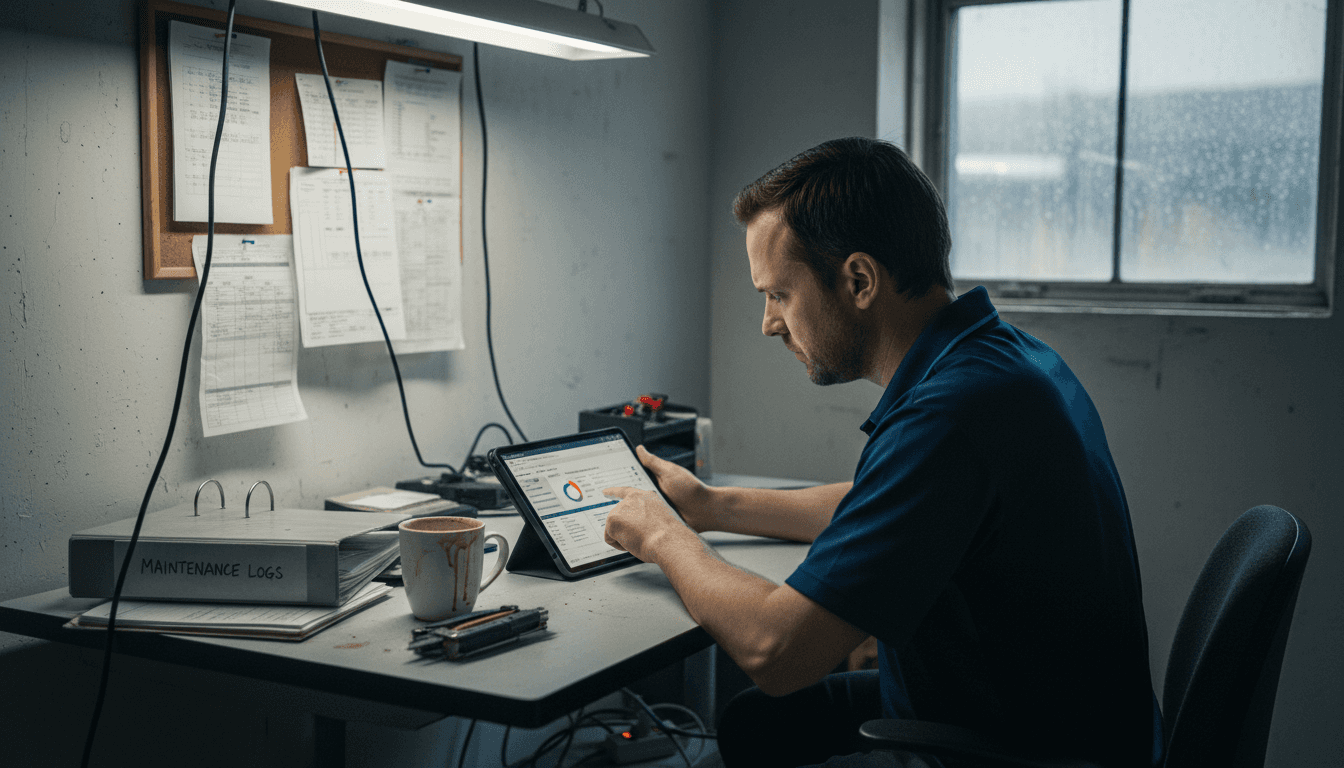
Choose platforms offering comprehensive features: work order management, preventive maintenance scheduling, vendor tracking, inventory management, and reporting dashboards. Mobile apps let technicians update work orders in real time from job sites. Automatic notifications keep everyone informed about task status.
Tenant portals revolutionize request management. Residents submit maintenance requests online anytime, attach photos, and track progress. This reduces phone calls, provides written records, and speeds initial responses. Portals also improve satisfaction by giving residents visibility and control.
Leverage analytics to drive continuous improvement. Track metrics like average repair time, cost per unit, vendor performance, and recurring issues. Identify patterns revealing underlying problems. For example, frequent HVAC calls from specific buildings might indicate aging equipment needing replacement.
Data-driven decision making replaces guesswork. You can justify capital expenditures with hard numbers, optimize staffing based on workload patterns, and allocate preventive maintenance resources where they deliver maximum return.
Technology benefits:
- Centralized documentation accessible to your entire team
- Automated scheduling that prevents missed maintenance tasks
- Real-time visibility into maintenance operations across all properties
- Historical data supporting budget planning and capital decisions
- Improved resident satisfaction through faster, more transparent service
Pro Tip: Select scalable software that integrates with your property management system, accounting platform, and vendor portals. Avoid platforms requiring duplicate data entry. The best solutions create a unified ecosystem where information flows seamlessly.
Troubleshooting and common mistakes in maintenance planning
Even experienced property managers stumble into maintenance planning traps. Skipping inspections, poor vendor communication, and lack of documentation increase costs and tenant complaints. Recognizing these mistakes helps you avoid them.
Skipping scheduled inspections is the most common error. When you fall behind on preventive work, small issues become big problems. A neglected HVAC filter causes system strain and eventual failure. Missing gutter cleaning leads to water damage. Stick to your schedule religiously.
Poor communication with vendors creates confusion and delays. Unclear work orders, vague expectations, and inadequate follow-up waste everyone's time. Be specific about what needs doing, when, and to what standard. Confirm understanding before work begins.
Failing to document maintenance activities leaves you flying blind. Without records, you can't track vendor performance, identify recurring problems, or prove compliance during inspections. Document everything, even small repairs.
Proper budget allocation of 70% to preventive tasks is essential for cost-effectiveness. Many managers allocate too much to reactive repairs, perpetuating a crisis cycle. Shift resources toward prevention and watch emergency costs drop.
Other frequent mistakes:
- Using the cheapest vendor instead of the most reliable
- Ignoring tenant feedback about developing maintenance issues
- Failing to update maintenance plans as properties age
- Underestimating time requirements for preventive tasks
- Not training staff properly on maintenance protocols and software
Correct these errors by implementing robust systems, holding people accountable, and continuously refining your approach based on results.
Expected results and success metrics
Effective maintenance planning delivers measurable improvements. Preventive maintenance reduces emergency repair costs by up to 25% while increasing tenant lease renewal rates by 15 to 20 percent. These outcomes justify your investment in planning and systems.
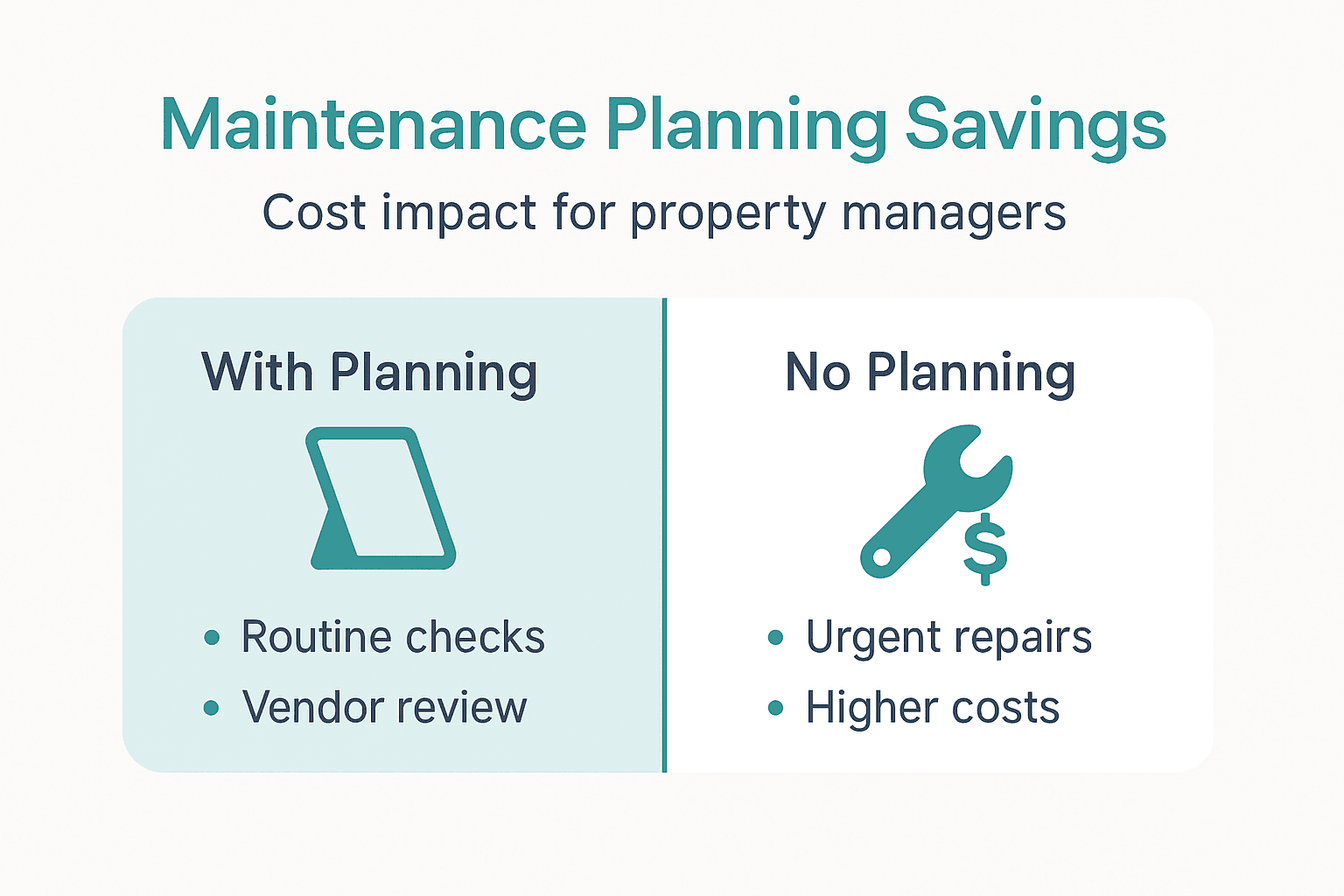
Prioritizing tasks systematically cuts reactive maintenance by 20%. When you address issues proactively based on urgency and impact, fewer problems escalate into emergencies. Your team spends more time on scheduled work and less firefighting.
Technology adoption boosts workflow efficiency up to 40%. Automated scheduling, mobile work orders, and centralized documentation eliminate redundant tasks and communication gaps. Your team accomplishes more with the same resources.
Consistent maintenance directly impacts resident satisfaction and retention. Tenants who experience responsive, professional service renew leases at higher rates. The 15 to 20 percent improvement in renewals reduces turnover costs and vacancy losses.
| Metric | Baseline (Reactive) | Expected (Proactive) | Improvement |
|---|---|---|---|
| Emergency Repair Costs | 100% | 75% | 25% reduction |
| Reactive Maintenance Tasks | 100% | 80% | 20% reduction |
| Tenant Lease Renewals | 100% | 115-120% | 15-20% increase |
| Workflow Efficiency | 100% | 140% | 40% improvement |
| Average Emergency Downtime | 4-7 days | 1-3 days | 60% reduction |
Track these metrics monthly to gauge progress. Set realistic targets based on your starting point. Celebrate wins and investigate shortfalls. Continuous monitoring keeps your maintenance program on track and demonstrates value to stakeholders.
Optimize your property maintenance with Monster Property Partners
Proactive maintenance planning works best when you partner with specialists for complex tasks. At Monster Property Partners, we deliver exceptional commercial pressure washing services tailored for apartment buildings and multi-family units. Our reliable operations and effective communication support your broader maintenance strategy.
Professional exterior cleaning preserves curb appeal, prevents surface degradation, and enhances resident satisfaction. Our team handles large projects efficiently, freeing your staff for other priorities. Explore our comprehensive exterior cleaning services and discover how professional property maintenance partnerships optimize your operations.
Frequently asked questions about maintenance planning for property managers
How often should preventive maintenance schedules be reviewed and updated?
Review your maintenance schedule quarterly to adjust for seasonal needs and changing property conditions. Update annually based on performance data, new regulations, and equipment age.
What are the top technology tools recommended for maintenance tracking?
Look for platforms offering mobile work orders, automated scheduling, tenant portals, vendor management, and analytics dashboards. Choose solutions that integrate with your existing property management system for seamless data flow.
How to handle urgent tenant maintenance requests effectively?
Implement a triage system that categorizes requests by urgency, safety, and resident impact. Respond to safety hazards immediately, communicate estimated resolution times clearly, and provide status updates throughout the repair process.
What is the ideal budget allocation for preventive versus emergency maintenance?
Allocate at least 70% of your maintenance budget to preventive tasks and 30% or less to reactive repairs. This ratio maximizes cost-effectiveness by preventing expensive emergencies through consistent upkeep.
How to ensure vendor compliance with service standards?
Establish clear written standards in contracts, conduct regular performance reviews using objective metrics, document all work thoroughly, and address issues immediately when standards aren't met. Build relationships with reliable vendors who understand your expectations.
Recommended
- Monster Property Partners | Exterior Cleaning Orlando
- Portfolio Partnership | Monster Property Partners
- Services | Multifamily Exterior Cleaning | Monster Property Partners
- Why Window Maintenance Saves 15% Energy & Prevents Repairs
- Lock Maintenance Step by Step for Property Managers - A To Z Locksmith Inc