
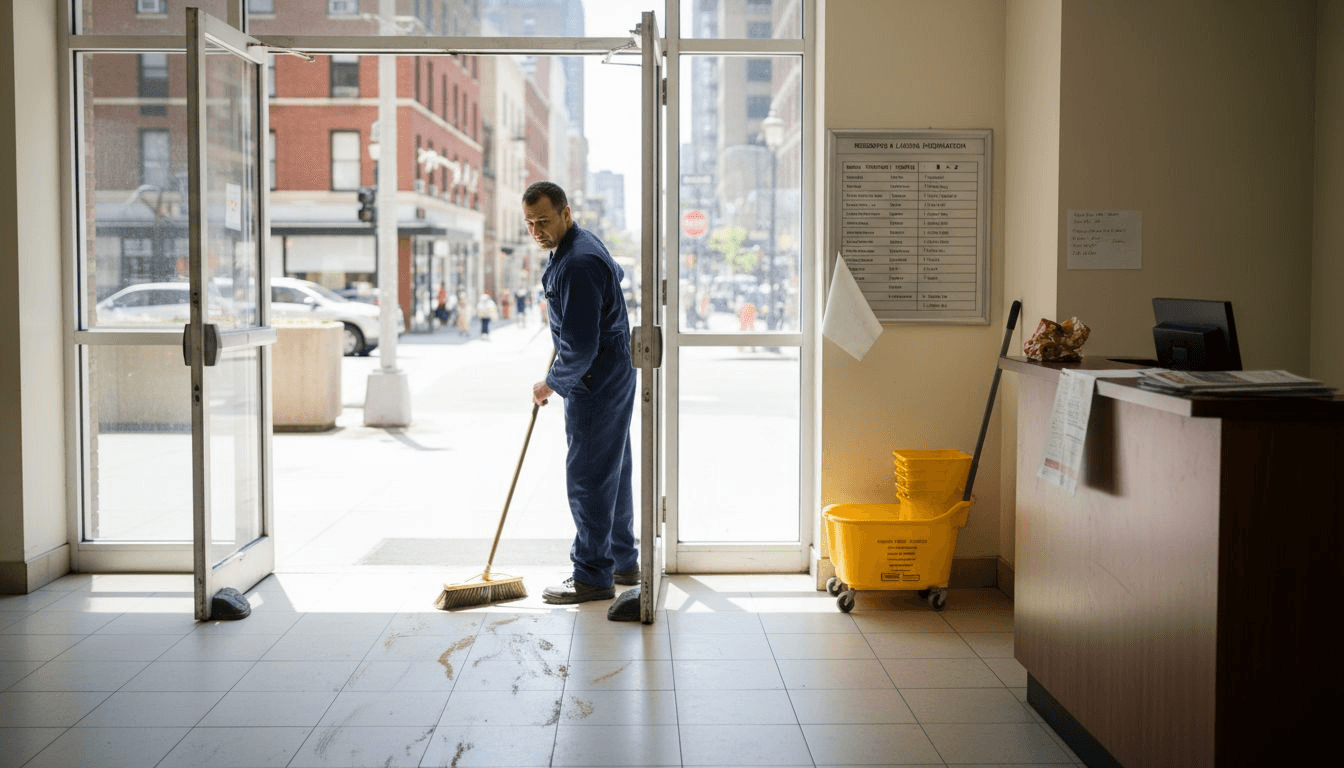
Properties with proactive multi-family cleaning programs report up to 30% fewer emergency repairs and 10-20% higher market valuations. Yet many property managers treat apartment building maintenance as simply scaled-up house cleaning. This guide clarifies the distinct strategies required for multi-family units, from coordinating vendor schedules across dozens of units to maintaining shared spaces that directly impact tenant satisfaction and retention.
Table of Contents
- Introduction To Multi-Family Unit Cleaning
- Comprehensive Tasks In Multi-Family Unit Cleaning
- Benefits Of Proactive Multi-Family Unit Cleaning
- Seasonal Cleaning Needs And Adaptations
- Common Misconceptions About Multi-Family Unit Cleaning
- Technology And Tools Enhancing Multi-Family Cleaning
- Applying Multi-Family Unit Cleaning Practices For Property Managers
- Discover Expert Multi-Family Cleaning Solutions With Monster Property Partners
- Frequently Asked Questions About Multi-Family Unit Cleaning
Key Takeaways
| Point | Details |
|---|---|
| Emergency repair reduction | Scheduled cleaning reduces emergency maintenance costs by up to 30% through early issue detection |
| Property value increase | Consistent cleaning programs boost market value by 10-20% compared to reactive maintenance approaches |
| Tenant satisfaction link | 70% of tenants directly correlate their satisfaction with the quality of property maintenance and cleanliness |
| Seasonal adaptation needs | Environmental factors like pollen and winter debris require flexible cleaning schedules for optimal results |
| Technology advantages | Digital scheduling systems improve vendor coordination and operational efficiency by 76% |
Introduction to Multi-Family Unit Cleaning
Multi-family unit cleaning encompasses specialized maintenance for apartment buildings, condominiums, and complexes with shared infrastructure. Unlike single-family home cleaning, this approach addresses dozens or hundreds of units simultaneously while maintaining common areas that serve entire communities. The complexity extends beyond simple scaling.
Multi-family cleaning is more complex than single-family due to scale, requiring strategic planning, vendor coordination, and proactive scheduling. Property managers face unique challenges coordinating access across multiple occupied units, managing vendor teams working in parallel, and maintaining consistency standards that satisfy diverse tenant expectations.
Effective programs prevent tenant complaints before they arise. Clean properties attract quality renters, justify premium pricing, and reduce turnover costs. Neglected maintenance compounds into expensive emergency repairs and reputation damage that takes months to reverse.
Key components include:
- Individual unit cleaning during turnovers and scheduled maintenance
- Common area maintenance for lobbies, hallways, stairwells, and elevators
- Exterior surface cleaning including walkways, parking areas, and building facades
- Trash management systems coordinated across multiple collection points
- Integrated pest control addressing shared walls and infrastructure
Professional multifamily exterior cleaning services address these interconnected requirements through coordinated schedules that minimize tenant disruption while maximizing cleaning effectiveness.
Comprehensive Tasks in Multi-Family Unit Cleaning
Property managers oversee three distinct cleaning categories, each with specific frequency requirements and operational challenges. Understanding task distribution helps allocate resources effectively and set realistic vendor expectations.
Unit interior cleaning during turnovers demands thorough attention. Surface wiping removes dust and allergens from countertops, windowsills, and fixtures. Floor cleaning addresses carpet vacuuming, hardwood mopping, and tile scrubbing. Bathroom sanitization focuses on toilets, showers, sinks, and mirrors. Kitchen deep cleaning tackles appliances, cabinets, and ventilation systems.
Common areas require consistent maintenance regardless of unit turnover. Hallway cleaning includes floor care, wall spot cleaning, and lighting fixture dusting. Elevator maintenance addresses interior panels, floors, and door tracks. Lobby upkeep maintains flooring, furniture, and high-traffic surfaces. Stairwell cleaning focuses on steps, handrails, and landing areas.
Multi-family cleaning services tailored to apartments and condos include pressure washing exteriors, common area cleaning, and detailed unit turnovers. Exterior tasks preserve property curb appeal and structural integrity. Pressure washing removes grime from building facades, walkways, and parking areas. Window cleaning maintains transparency and light transmission. Landscaping cleanup addresses debris accumulation near building perimeters.
| Area Type | Primary Tasks | Recommended Frequency |
|---|---|---|
| Unit Interiors | Surface cleaning, floors, bathrooms, kitchens | At turnover, quarterly deep clean |
| Common Areas | Hallways, elevators, lobbies, stairwells | Daily to weekly depending on traffic |
| Exterior Surfaces | Pressure washing, windows, walkways | Quarterly to semi-annually |
| Trash Management | Collection, bin cleaning, area maintenance | Daily collection, weekly bin cleaning |
| Pest Control | Inspection, treatment, prevention | Monthly inspection, as-needed treatment |
Trash management schedules prevent overflow and odor issues. Daily collection from designated areas maintains sanitation standards. Weekly bin cleaning eliminates bacterial buildup. Pest control integration addresses infestations before they spread through shared walls.
Pro Tip: Align deep cleaning cycles with seasonal tenant turnover patterns. Most leases expire in summer months, creating natural windows for intensive maintenance without disrupting current residents.
Comprehensive multi-family cleaning tasks require coordinated vendor teams working across multiple property zones simultaneously while maintaining safety protocols and minimizing tenant inconvenience.
Benefits of Proactive Multi-Family Unit Cleaning
Scheduled maintenance programs deliver measurable financial returns and operational advantages compared to reactive approaches. Property managers who implement proactive strategies report significant cost reductions and tenant satisfaction improvements.

Regular and scheduled multi-family property cleaning reduces emergency repair costs by up to 30% and increases market value by 10-20%. Early detection prevents minor issues from escalating into expensive emergencies. A small leak spotted during routine cleaning costs hundreds to repair. The same leak ignored for months causes thousands in water damage, mold remediation, and unit downtime.
Market value increases stem from visible property condition improvements. Prospective tenants and investors evaluate cleanliness as a primary decision factor. Properties with documented maintenance programs command premium rents and attract quality tenants who renew leases longer.
70% of tenants surveyed link their overall satisfaction directly to the quality and consistency of property maintenance and cleaning services they experience.
Tenant retention improvements reduce the most expensive operational cost: turnover. Each vacancy cycle costs 1-2 months of rent in lost income, cleaning, repairs, and marketing. Satisfied tenants who renew leases eliminate these recurring expenses.
Operational and financial benefits include:
- Extended equipment and surface lifespan through preventive care
- Reduced insurance claims from slip-and-fall incidents on clean surfaces
- Lower legal liability from health code violations or neglect complaints
- Improved staff efficiency when working in well-maintained environments
- Enhanced property reputation attracting referrals and positive reviews
Proactive programs shift spending from emergency repairs to planned maintenance. This predictability improves budget forecasting and eliminates surprise capital expenditures that strain cash flow. Properties maintaining consistent cleaning schedules report fewer urgent vendor calls and more stable operating costs.
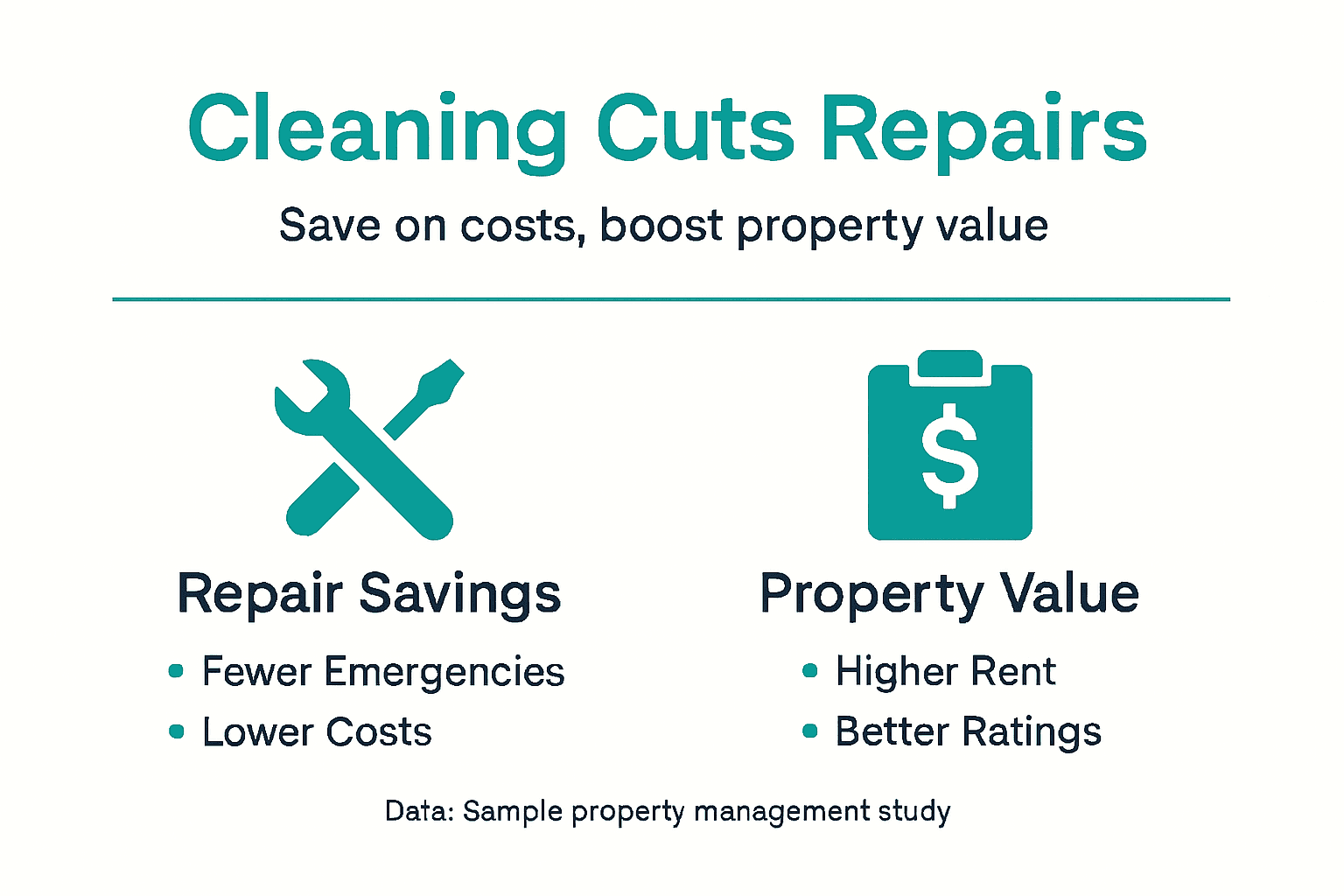
Professional services improve property value with structured cleaning programs that document maintenance history, demonstrate due diligence, and provide evidence of responsible property stewardship valued by insurance providers and potential buyers.
Seasonal Cleaning Needs and Adaptations
Environmental factors create fluctuating cleaning demands throughout the year. Property managers must adjust frequencies and task priorities to maintain consistent standards despite changing weather conditions and usage patterns.
Spring brings heavy pollen deposition coating exterior surfaces, windows, and common area entryways. Increased pressure washing frequency removes allergen buildup that triggers tenant complaints. Landscaping debris from spring growth requires more frequent walkway clearing. HVAC system cleaning becomes critical as properties switch from heating to cooling modes.
Summer introduces dust accumulation from construction projects and increased foot traffic. Parking lot cleaning intensifies as residents spend more time outdoors. Pool and recreation area maintenance peaks with usage levels. Window cleaning frequency increases to maintain visibility through summer grime.
Fall focuses on preparation for winter challenges. Gutter cleaning prevents ice dam formation. Exterior surface sealing protects against freeze-thaw damage. Entryway mat systems expand to handle increased moisture and debris tracking.
Winter demands immediate response capabilities. Salt and slush tracked indoors require daily floor cleaning in common areas. Sidewalk and parking lot clearing maintains safety compliance. Heating system areas need monitoring for dust and debris accumulation affecting air quality.
Seasonal task priorities include:
- Spring: Pressure washing exteriors, deep cleaning common areas, HVAC maintenance
- Summer: Increased window cleaning, parking lot maintenance, recreation area focus
- Fall: Gutter clearing, surface sealing, entryway system enhancement
- Winter: Daily floor care, ice management, heating area monitoring
Pro Tip: Build your annual cleaning calendar in fall, aligning seasonal task increases with budget planning cycles. This timing allows vendor contract negotiations before peak seasons and ensures adequate staffing during high-demand periods.
Regulatory compliance considerations intensify during extreme weather. Seasonal cleaning importance extends beyond aesthetics to legal obligations. Winter walkway maintenance carries liability for tenant injuries. Summer cooling system cleanliness affects health department standards.
Adaptive scheduling through seasonal cleaning programs maintains consistent property standards despite environmental variables, preventing seasonal neglect that compounds into expensive restoration projects.
Common Misconceptions About Multi-Family Unit Cleaning
Property managers new to multi-family operations often underestimate cleaning complexity, leading to inadequate programs and tenant dissatisfaction. Correcting these misunderstandings helps establish realistic expectations and appropriate resource allocation.
Myth: Multi-family cleaning simply scales single-family approaches across more units. Reality: Shared infrastructure creates interdependencies where one neglected area affects multiple units. Coordination challenges multiply with property size. Vendor management requires different skills than supervising house cleaners.
Myth: Tenants maintain sufficient cleaning standards for their units and adjacent areas. Reality: Tenant responsibilities end at unit boundaries. Shared spaces receive inconsistent care from dozens of households with varying standards. Professional oversight ensures uniform quality that no individual tenant provides.
Myth: Spreadsheets and manual tracking adequately manage multi-family cleaning schedules. Reality: Properties exceeding 20 units generate too many variables for manual systems. Missed tasks compound quickly. Digital scheduling platforms prevent gaps and provide accountability documentation.
Myth: Reactive cleaning (addressing issues after complaints) costs less than proactive programs. Reality: Emergency repairs cost 3-5 times more than preventive maintenance. Tenant dissatisfaction from reactive approaches increases turnover expenses exceeding proactive program costs.
Myth: Any commercial cleaning company handles multi-family properties effectively. Reality: Multi-family cleaning requires specific experience with occupied property access, shared space coordination, and tenant communication protocols. General commercial cleaners lack these specialized capabilities.
Key corrections to remember:
- Complexity increases exponentially, not linearly, with unit count
- Professional coordination is mandatory, not optional, for consistent results
- Technology investment pays for itself through prevented errors and efficiency gains
- Specialized vendors with multi-family experience deliver superior outcomes
- Proactive spending prevents expensive reactive repairs
Understanding true multi-family cleaning requirements helps property managers budget appropriately and select qualified service providers capable of meeting complex operational demands.
Technology and Tools Enhancing Multi-Family Cleaning
Digital platforms transform cleaning management from reactive chaos into proactive systems. Property managers leveraging technology report significant efficiency improvements and cost reductions compared to manual coordination methods.
Technologies such as digital twins and centralized maintenance systems enhance multi-family cleaning coordination and efficiency. Digital twins create virtual property models displaying real-time maintenance status across all units and common areas. Centralized scheduling platforms coordinate vendor teams, track task completion, and generate performance documentation.
Maintenance professionals report 76% cite technology as essential for overcoming multi-family cleaning challenges. Automated systems prevent scheduling conflicts, ensure task completion verification, and provide instant visibility into property-wide cleaning status.
| Traditional Manual Methods | Technology-Enabled Workflows |
|---|---|
| Paper checklists prone to loss | Digital task lists with photo verification |
| Phone tag coordinating vendors | Automated scheduling with real-time updates |
| Spreadsheet tracking requiring manual updates | Centralized dashboards with automatic data sync |
| Delayed issue identification | Instant notification of problems requiring attention |
| Limited historical documentation | Comprehensive maintenance history and trend analysis |
Key technology benefits include:
- Improved vendor coordination through shared calendars and task assignment
- Real-time status visibility allowing immediate response to issues
- Automated tenant communication reducing complaint response times
- Performance analytics identifying trends and optimization opportunities
- Documentation generation for compliance audits and insurance requirements
Pro Tip: Select software platforms integrating tenant feedback portals with vendor management systems. This connection ensures cleaning issues reported by residents automatically generate work orders for service teams, eliminating communication delays that frustrate tenants.
Mobile applications enable on-site staff to photograph completed work, timestamp task completion, and flag issues requiring attention. This documentation protects property managers during disputes and provides evidence of due diligence.
Cloud-based systems allow remote property oversight. Managers supervising multiple properties access consolidated cleaning status without physical site visits. This efficiency enables portfolio growth without proportional staff increases.
Technology in multi-family cleaning transitions operations from reactive problem-solving to predictive maintenance, where data analysis identifies issues before they impact tenants.
Applying Multi-Family Unit Cleaning Practices for Property Managers
Implementing effective cleaning programs requires systematic planning and execution. This framework helps property managers establish comprehensive maintenance systems delivering consistent results.
-
Conduct thorough property assessment identifying all areas requiring cleaning attention. Document current condition with photos. List every space from individual units to parking lot perimeters. Identify high-traffic zones needing frequent service and low-visibility areas often neglected.
-
Develop detailed cleaning schedules matching task frequency to usage intensity and seasonal demands. Assign daily tasks for common areas, weekly assignments for moderate-traffic zones, and monthly deep cleaning for entire property rotation. Build seasonal adjustment triggers into your calendar.
-
Select professional vendors with demonstrated multi-family experience and appropriate insurance coverage. Request references from properties matching your size and complexity. Verify licensing and bonding. Establish clear performance standards and communication protocols before contract signing.
-
Implement technology platforms centralizing scheduling, task tracking, and vendor coordination. Choose systems integrating tenant communication portals. Ensure mobile accessibility for on-site staff. Prioritize platforms generating compliance documentation automatically.
-
Establish routine audit procedures verifying cleaning quality and schedule adherence. Conduct weekly walkthroughs using standardized checklists. Photograph inconsistencies for vendor feedback. Track complaint patterns identifying systemic issues requiring program adjustments.
-
Balance budget constraints against tenant expectations and regulatory requirements. Prioritize spending on high-visibility areas and safety-critical tasks. Consider tiered cleaning frequencies allowing cost management without sacrificing essential maintenance.
Pro Tip: Incorporate tenant feedback mechanisms into your cleaning program from day one. Quarterly satisfaction surveys specifically addressing cleanliness provide early warning of declining standards before complaints escalate. This proactive approach maintains tenant satisfaction while giving vendors clear performance targets.
Vendor selection criteria should emphasize reliability over lowest pricing. Service interruptions cost more in tenant dissatisfaction than premium vendor rates. Evaluate comprehensive service scope ensuring single-source accountability rather than coordinating multiple specialized contractors.
Align cleaning frequencies with property-specific factors. Student housing requires different scheduling than senior communities. Family properties accumulate different debris types than young professional buildings. Customize programs matching your tenant demographics and usage patterns.
Multi-family cleaning implementation strategies succeed when property managers treat cleaning as strategic operations management rather than simple expense line items. Systematic approaches deliver measurable returns through reduced costs, improved tenant retention, and enhanced property values.
Discover Expert Multi-Family Cleaning Solutions with Monster Property Partners
Property managers seeking reliable exterior cleaning partnerships benefit from specialized expertise in multi-family operations. Monster Property Partners delivers comprehensive pressure washing and exterior maintenance programs designed specifically for apartment buildings and multi-family communities.
Our team coordinates complex cleaning schedules across occupied properties, minimizing tenant disruption while maximizing visual impact. We integrate technology platforms providing real-time project status and documentation supporting your compliance requirements. Strategic planning reduces your emergency repair costs while enhancing tenant satisfaction scores.
Explore our multifamily exterior cleaning services tailored to your property's unique requirements. Discover how expert exterior cleaning solutions transform property appearance and operational efficiency. Learn about portfolio partnership opportunities delivering consistency across multiple properties.
Frequently Asked Questions About Multi-Family Unit Cleaning
What is the typical cleaning frequency recommended for multi-family units?
Common areas require daily to weekly attention depending on traffic levels, while individual units need deep cleaning at turnover plus quarterly maintenance. Exterior surfaces typically need quarterly to semi-annual pressure washing. High-traffic lobbies and elevators benefit from daily cleaning, whereas stairwells and hallways function well with 2-3 times weekly service.
How can technology simplify multi-family cleaning management?
Centralized scheduling platforms coordinate vendor teams, track task completion with photo verification, and generate automatic compliance documentation. Digital systems eliminate scheduling conflicts, provide real-time property status visibility, and integrate tenant feedback directly into work order generation. This automation reduces management time by 40-60% compared to manual coordination.
What are the cost implications of using professional cleaning services versus in-house staff?
Professional services eliminate payroll taxes, benefits, equipment purchases, and training costs associated with in-house teams. They provide liability insurance and performance guarantees protecting property managers from cleaning-related claims. While hourly rates appear higher, total cost of ownership typically favors professional vendors by 20-30% when accounting for all employment expenses and equipment depreciation.
How do seasonal factors affect cleaning schedules for multi-family properties?
Spring pollen requires increased exterior washing frequency, summer brings higher foot traffic demanding more common area attention, fall focuses on gutter clearing and winter preparation, and winter necessitates daily entryway cleaning managing salt and slush. Temperature extremes also affect cleaning product effectiveness and surface accessibility, requiring method adjustments.
What should be included in a cleaning checklist for common areas?
Comprehensive checklists cover floor cleaning including vacuuming and mopping, surface wiping of railings and door handles, elevator interior maintenance, lighting fixture dusting, trash removal and bin cleaning, window and glass door cleaning, and periodic deep cleaning of walls and baseboards. Add seasonal items like entryway mat maintenance and exterior walkway care based on weather conditions.