
TL;DR:
- High-quality cleaning increases tenant satisfaction and lease renewal rates by up to 18 percent.
- Consistent standards, top-to-bottom methods, and prompt responses are essential for effective property cleaning.
- Viewing cleaning as a marketing tool enhances property appeal, tenant retention, and operational reputation.
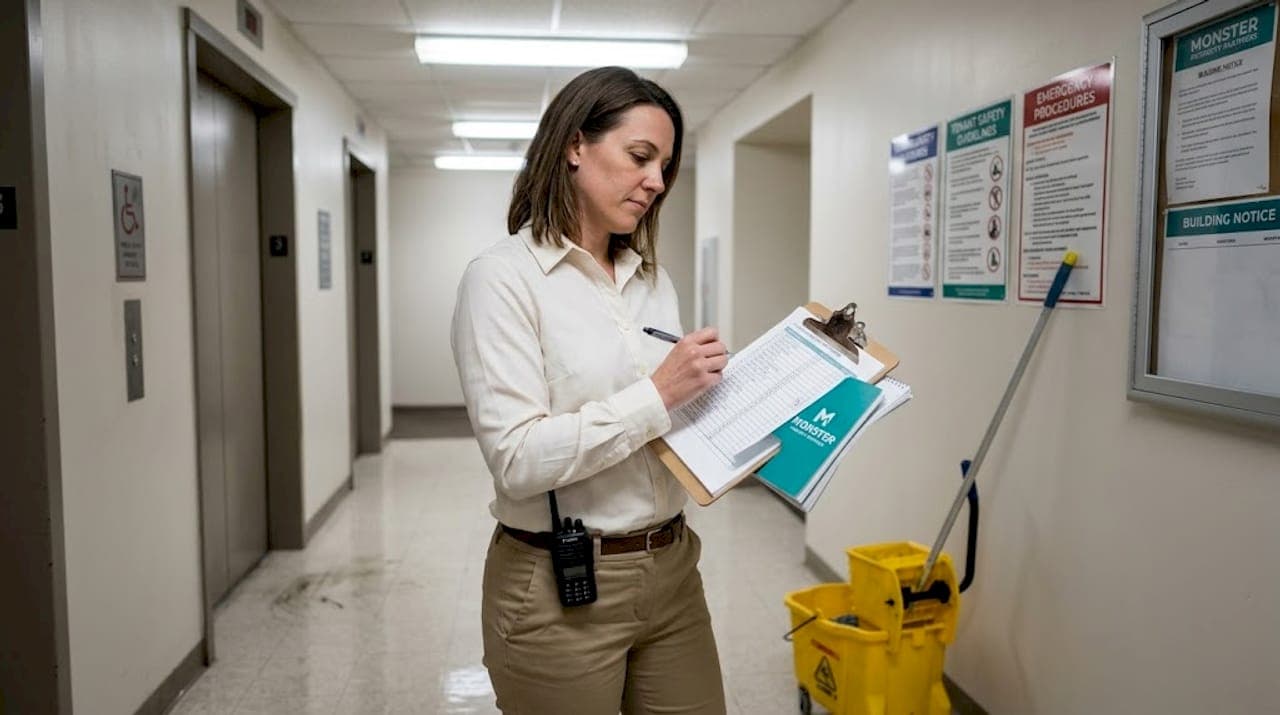
Tenant turnover is expensive, and cleaning is one of the biggest levers you have to prevent it. Lease renewals rise 12–18% when cleaning quality is consistently high, and a single point gain in tenant satisfaction scores correlates with an 8.6% jump in renewals. Yet most property managers treat cleaning as a reactive task rather than a proactive strategy. That mindset costs real money. This article breaks down field-tested cleaning tips for multi-family properties, covering everything from setting clear standards to turnover protocols, so you can protect your asset, reduce vacancies, and keep tenants renewing year after year.
Table of Contents
- Set your cleaning criteria: What really matters
- Top-to-bottom cleaning: The efficient methodology
- Turnover and deep-cleaning essentials
- Elevate tenant satisfaction with ongoing cleaning and communication
- What most managers miss: Cleaning is a marketing tool
- Discover expert solutions for multi-family unit cleaning
- Frequently asked questions
Key Takeaways
| Point | Details |
|---|---|
| Prioritize high-impact cleaning | Focusing on high-touch and visible areas ensures efficiency and boosts tenant impressions. |
| Standardize your workflow | A top-to-bottom approach and consistent checklists improve quality and reduce missed spots. |
| Turnovers need deep cleans | Thorough cleaning between tenants directly improves rentability and minimizes costly disputes. |
| Communication drives satisfaction | Proactive updates and clear cleaning schedules foster trust and retention with tenants. |
| View cleaning as marketing | Promoting your high standards can be a powerful differentiator in attracting and keeping tenants. |
Set your cleaning criteria: What really matters
With those benefits in mind, let's clarify what your cleaning strategy must prioritize. Before you assign tasks or schedule vendors, you need a clear picture of what "clean" actually means for your property. That definition should cover three things: safety, appearance, and air quality. Safety means no slip hazards, no mold, no pest entry points. Appearance means surfaces, lobbies, and walkways that make a good first impression every single day. Air quality means clean HVAC filters, fresh common areas, and no lingering odors that signal neglect.
Here are the core areas your cleaning standards must address:
- High-touch surfaces: Elevator buttons, door handles, mailboxes, and intercom panels collect the most germs and grime. Clean these daily.
- Common spaces: Lobbies, laundry rooms, fitness centers, and parking garages set the tone for the entire community.
- Curb appeal: Walkways, entryways, dumpster pads, and building exteriors are the first things prospects and tenants see.
- Individual units: Especially during turnover, every surface counts.
- Tenant feedback: Treat complaints and survey scores as cleaning performance data, not just grievances.
Response time benchmarks matter too. Routine issues like a dirty lobby should be addressed within 24 hours. Spills or safety hazards need same-day response. Turnover cleans should be completed within three to seven days depending on unit condition.
"Clean properties reduce complaints, improve reviews and referrals, and shorten vacancies. Poor cleaning causes 25% of deposit disputes across multi-family properties."
Using a multifamily cleaning checklist is the single most effective way to create consistency across your staff and multiple buildings. Without a checklist, cleaning quality depends entirely on whoever showed up that day.
Pro Tip: Standardize your checklist by zone, not just by task. A zone-based checklist (lobby, hallways, laundry, exterior) makes it easier to assign responsibility and audit results quickly.
Top-to-bottom cleaning: The efficient methodology
Now that your standards are set, here's the field-tested technique that transforms daily cleaning. The top-to-bottom method is not complicated, but it is surprising how many cleaning crews skip it and then wonder why they have to re-mop floors or re-wipe counters after stirring up dust.
Here is the correct sequence for any unit or common area:
- Dust ceilings, vents, and light fixtures first. Debris falls downward. If you skip this step and mop the floor first, you will be mopping again.
- Wipe down all surfaces. Counters, shelves, appliances, window sills, and baseboards come next.
- Clean high-touch zones with EPA-approved disinfectants. Contact time matters. Read the label and let the product dwell before wiping. Most disinfectants need 30 seconds to four minutes of wet contact to actually kill pathogens.
- Dry dusting before wet mopping. This is the sequence that most crews get wrong. Dry sweep or dust mop first to remove loose debris, then wet mop for a genuinely clean floor.
- Floors last. Whether carpet, tile, or hardwood, floors are always the final step.
The apartment housekeeping SOP standard specifies EPA-approved disinfectants with proper contact time for high-touch areas as a non-negotiable part of any compliant cleaning protocol.
For daily tasks, this sequence should become muscle memory for your team. For heavier cleaning, follow this same structure but add time for soaking grout, descaling fixtures, and deep cleaning inside appliances. A unit cleaning checklist built around this sequence keeps every team member on the same page regardless of experience level.
Pro Tip: Schedule deep cleans immediately after high-occupancy periods like summer move-in seasons or after long-term tenants vacate. Waiting even a few extra days allows odors and stains to set, which dramatically increases the labor cost and time needed.
Turnover and deep-cleaning essentials
Applying an efficient method day-to-day is vital, but turnovers demand even more attention and planning. Turnover cleaning is where property managers either win or lose the next lease before the new tenant even moves in. A spotless unit signals professionalism. A mediocre clean signals that you won't be responsive to future maintenance requests.
Here are the essential tasks that must be completed on every turnover:
- Kitchen: Clean inside all appliances including the refrigerator, oven, and dishwasher. Degrease the stovetop and hood vent. Wipe cabinet interiors.
- Bathroom: Scrub grout lines, clean behind the toilet, descale fixtures, and replace or clean the shower liner.
- Floors: Steam clean carpets and scrub tile grout. Replace flooring if stains are permanent.
- HVAC filters: Replace every filter on every turn. This directly affects air quality and the new tenant's first impression of the unit.
- Windows and blinds: Wipe frames and tracks. Replace broken blinds.
Turnover timelines for light and medium units should target three to seven days. Heavy turns with damage or deep soil may require up to ten days. Here is a quick comparison:
| Task category | Light turnover | Heavy turnover |
|---|---|---|
| Kitchen cleaning | Wipe surfaces, appliance exteriors | Full interior appliance clean, degrease |
| Bathroom | Standard scrub | Grout restoration, fixture descaling |
| Flooring | Sweep and mop | Steam clean or replace carpet |
| HVAC filters | Replace | Replace and inspect ducts |
| Timeline | 3–4 days | 7–10 days |
| Estimated labor cost | Lower | Higher, requires specialized crew |
A well-executed turnover directly supports retention. Properties with consistent cleaning and retention practices see 12–18% better renewal rates, and a solid cleaning workflow guide makes it easier to replicate that consistency across every unit and building.
Elevate tenant satisfaction with ongoing cleaning and communication
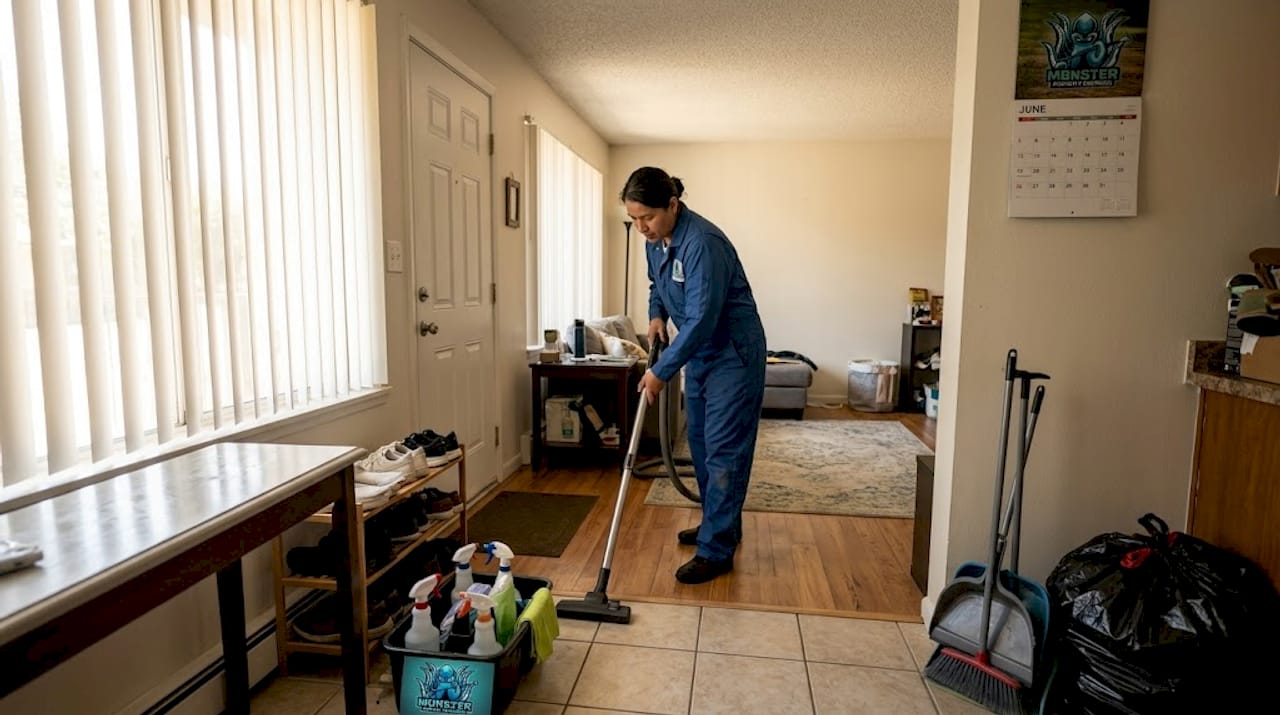
Day-to-day and turnover cleaning lay the foundation; ongoing effort and communication elevate tenant satisfaction long-term. Here is something most managers underestimate: tenants do not just experience cleanliness, they experience your communication about it. A building that looks clean but never tells residents what is being done still gets lower satisfaction scores than one that proactively communicates its cleaning schedule.
Actionable strategies to sustain high standards:
- Post your cleaning schedule in common areas and on your resident portal so tenants know what to expect.
- Send notifications before and after major cleaning jobs, especially pressure washing, carpet cleaning, or HVAC servicing.
- Track satisfaction scores monthly using a simple survey. Even a five-question form sent by text gives you actionable data.
- Respond to cleaning complaints within 24 hours. Speed of response is often more important to tenants than the issue itself.
- Document your cleaning activity. Before and after photos protect you in disputes and demonstrate value to tenants.
The data on this is clear. Cleaning boosts tenant retention by 12–18%, and the financial benefit compounds quickly when you factor in avoided turnover costs. Here is how the numbers stack up:
| Cleaning investment level | Avg. tenant satisfaction score | Retention rate impact | Estimated annual savings per 50 units |
|---|---|---|---|
| Minimal (reactive only) | 3.1 / 5 | Baseline | $0 |
| Moderate (scheduled routine) | 3.8 / 5 | +8–10% renewals | $16,000–$40,000 |
| High (routine + communication) | 4.4 / 5 | +12–18% renewals | $30,000–$90,000 |
Building a culture of tenant communication and retention around cleanliness is one of the highest-return investments you can make as a property manager. The satisfaction-to-renewal link is well documented, and turnover costs of $2,000–$5,000 per unit make prevention the obvious financial choice.
Pro Tip: Send a quick text or email after a major cleaning job with a simple message: "We just completed our quarterly deep clean of the lobby and laundry areas. Let us know if you notice anything we can improve." That one message builds more goodwill than most managers realize.
What most managers miss: Cleaning is a marketing tool
With all the practical tips in hand, it's time to rethink cleaning as more than utility work. Most property managers treat cleaning as a line item to minimize. The smarter ones treat it as a brand statement.
Think about it from a prospect's perspective. When someone tours your building, they are not evaluating the cleaning budget. They are evaluating whether they want to live there. A spotless lobby, fresh-smelling hallways, and a pristine unit communicate that you are an attentive, professional operator. That feeling converts tours into signed leases.
The same logic applies to existing tenants. When cleanliness drives retention, it's because tenants associate a clean property with a landlord who cares. That emotional connection reduces complaints, increases forgiveness for minor issues, and generates referrals. Positive online reviews mention cleanliness more than almost any other factor. You can market your cleaning standards just like you market your amenities. Feature your cleaning schedule in your leasing materials. Highlight your professional vendor partnerships. Show before and after photos on social media. Cleaning is not just maintenance. It is your most visible operational signal to every tenant and prospect on your property.
Discover expert solutions for multi-family unit cleaning
Ready to implement these strategies? Here's how to partner with experts who deliver results.
At Monster Property Partners, we work directly with property managers and maintenance supervisors to deliver exterior cleaning that protects property value and impresses tenants from the curb. Our team specializes in large-scale multi-family projects where consistency, reliability, and communication are non-negotiable.
Whether you need scheduled maintenance or a full exterior reset, our multifamily cleaning services are built around your operational timeline, not ours. We also offer specialized common area concrete cleaning for high-traffic areas that take the most abuse. Reach out today to discuss a customized cleaning plan that supports your retention goals and keeps your property looking its best year-round.
Frequently asked questions
What is the most cost-effective cleaning schedule for multi-family properties?
Balance routine weekly cleaning of common areas with thorough turnover cleans between tenants. Turnover timelines of three to seven days for light and medium units keep costs predictable while protecting tenant satisfaction.
How does better cleaning improve tenant retention rates?
Well-maintained properties consistently see 12–18% higher retention and fewer complaints, directly tied to the quality and consistency of cleaning across common areas and units.
Which areas are most critical to clean during tenant turnover?
Prioritize kitchens, all appliances, bathrooms, grout lines, flooring, and HVAC filters. Detailed turnover cleaning in these zones has the greatest impact on new tenant first impressions and lease signings.
Does routine cleaning actually lower property management costs?
Absolutely. Regular cleaning reduces deposit disputes, prevents costly repairs, and avoids turnovers that can cost $2,000–$5,000 per unit, making proactive cleaning one of the highest-return operational decisions you can make.