
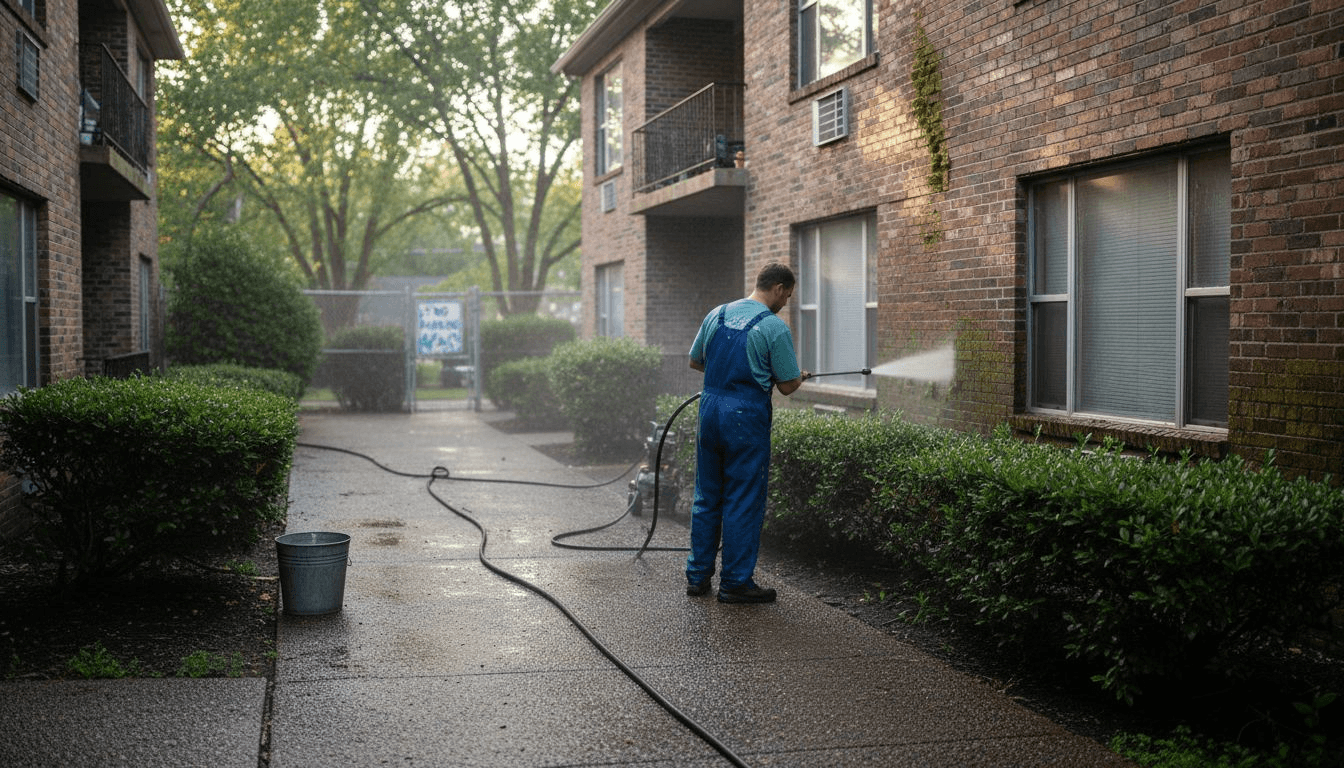
Property managers often view pressure washing as a cosmetic service. That's a costly mistake. Regular pressure washing is a powerful preventive maintenance tool that reduces repair expenses by up to 30% while extending the lifespan of building exteriors. This guide shows you how to harness pressure washing to protect your investment, lower maintenance costs, and keep tenants happy.
Table of Contents
- Introduction To Preventive Maintenance And Pressure Washing
- How Pressure Washing Supports Preventive Maintenance
- Selecting Pressure Washing Techniques For Multi-Family Properties
- Scheduling And Planning Pressure Washing Maintenance
- Common Misconceptions And Corrective Practices
- Case Studies And Practical Benefits
- Implementing Effective Pressure Washing Programs
- Summary And Recommendations
- Enhance Your Multi-Family Property Maintenance With Monster Property Partners
- Frequently Asked Questions
Key Takeaways
| Point | Details |
|---|---|
| Cost Reduction | Scheduled pressure washing reduces exterior repairs by up to 30% through early contaminant removal. |
| Equipment Selection | Hot water washers excel on greasy concrete; cold water suits delicate surfaces best. |
| Material Preservation | Proper pressure calibration protects building materials from damage while removing harmful contaminants. |
| Tenant Satisfaction | Regular exterior cleaning boosts tenant satisfaction by up to 15% through improved curb appeal. |
| Program Success | Training staff and establishing consistent schedules are essential for effective maintenance outcomes. |
Introduction to Preventive Maintenance and Pressure Washing
Preventive maintenance means planned, routine upkeep that stops failures before they happen. Instead of waiting for problems to emerge, you address potential issues systematically. This approach saves money and extends asset life across your portfolio.
Pressure washing uses high-pressure water to remove contaminants that accelerate deterioration of building exteriors. Mold, mildew, dirt, and pollutants don't just look bad. They trap moisture against surfaces, creating conditions for rot, corrosion, and structural damage. Multi-family properties face constant environmental exposure, making regular cleaning essential for protecting your investment.
Typical exterior cleaning services applications include:
- Building facades and siding removal of organic growth
- Concrete walkways and parking areas eliminating oil and grime
- Balconies and railings preventing rust and decay
- Entry areas maintaining professional appearance
- Dumpster enclosures controlling odor and pest attraction
When integrated into multifamily exterior cleaning services programs, pressure washing becomes a strategic tool. You're not just cleaning surfaces. You're actively preventing deterioration that leads to expensive replacements and tenant complaints.
How Pressure Washing Supports Preventive Maintenance
Contaminants act like silent destroyers. Algae and mold retain moisture against siding, accelerating rot in wood and corrosion in metal. Dirt and pollutants create acidic conditions that etch concrete and degrade paint. Oil stains penetrate porous surfaces, weakening structural integrity over time.
Pressure washers operate at 750 to 30,000 psi, providing enough force to dislodge embedded contaminants without damaging properly matched surfaces. This mechanical cleaning removes threats before they cause permanent harm. The result is extended material life and deferred replacement costs.
Targeted contaminants and prevented damage:
- Mold and mildew causing wood rot and health hazards
- Algae creating slippery surfaces and structural weakening
- Dirt and grime trapping moisture and accelerating decay
- Oil and grease penetrating concrete and causing spalling
- Pollen and pollution forming acidic films that etch surfaces
The financial impact is substantial:
Preventive maintenance programs reduce unplanned repairs by about 30% through scheduled pressure washing and early intervention.
This reduction comes from catching problems early. A $200 pressure washing service prevents a $2,000 siding replacement. Regular concrete cleaning avoids $15,000 parking lot resurfacing. The math favors prevention every time.
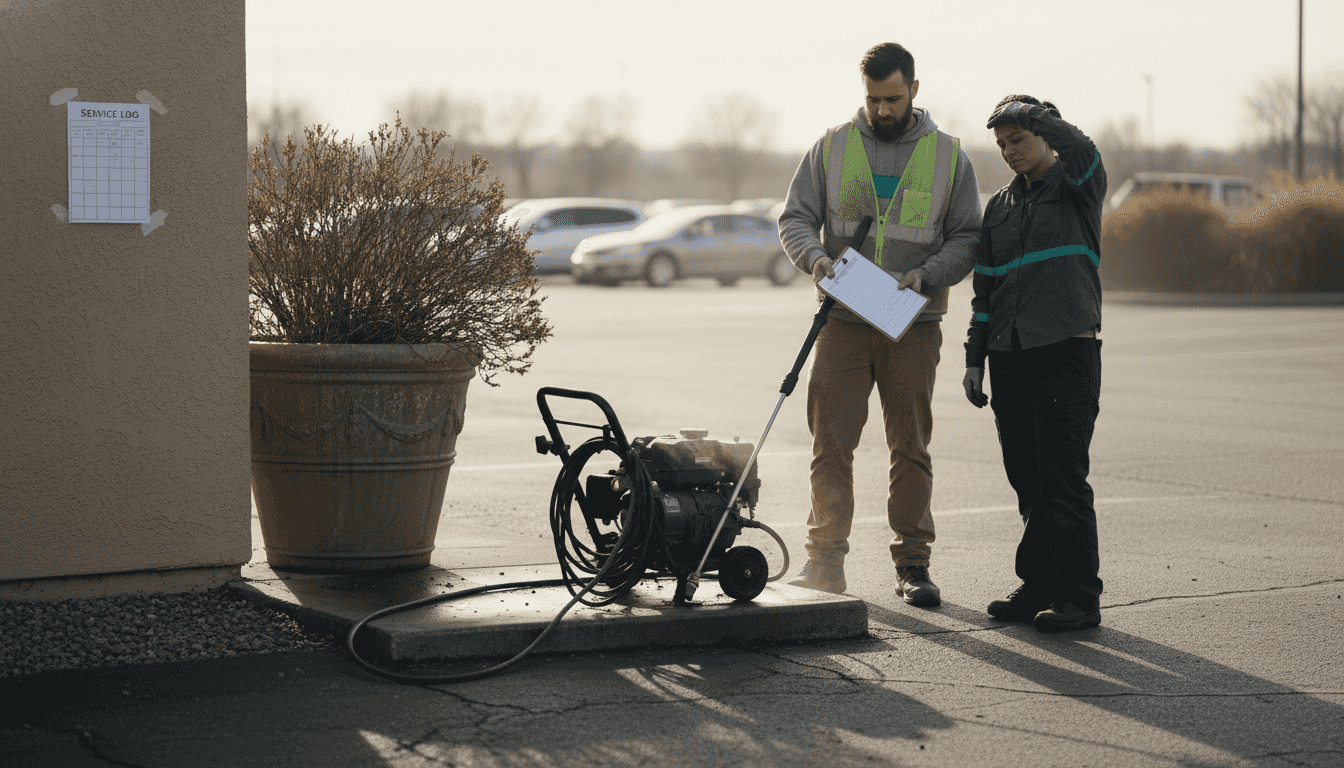
Integrating pressure washing preventive cleaning services into your maintenance calendar transforms cleaning from an expense into an investment. You're buying years of additional service life from existing materials.
Selecting Pressure Washing Techniques for Multi-Family Properties
Choosing the right equipment and method protects your property while maximizing cleaning effectiveness. The wrong approach damages surfaces, creating the very problems you're trying to prevent.
Hot water washers better remove oil and grease residues from concrete parking areas and dumpster pads. Heat breaks down hydrocarbon bonds, allowing water to flush away contaminants that cold water can't touch. Cold water works best for delicate surfaces like painted siding, vinyl, and wood where heat might cause warping or finish damage.
Pressure settings matter as much as temperature. Brick and concrete handle 3,000 psi without issue. Vinyl siding requires 1,500 psi maximum. Wood decking needs 500 to 600 psi to avoid splintering. Nozzle selection controls spray pattern and intensity, fine tuning cleaning power to match surface requirements.
Surface specific methods:
- Concrete walkways using rotating surface cleaners at 3,000 psi for uniform results
- Vinyl siding employing wide angle nozzles at 1,500 psi with top down technique
- Wood decking applying low pressure with wood appropriate cleaners
- Metal railings using medium pressure with rust inhibiting treatments
- Glass and windows utilizing soft wash methods under 100 psi
| Feature | Hot Water System | Cold Water System |
|---|---|---|
| Best Use | Grease, oil, heavy organic buildup | General dirt, mildew, light contamination |
| Cleaning Speed | 40% faster on oily surfaces | Standard rate for most applications |
| Equipment Cost | $3,000 to $8,000 initial investment | $400 to $2,000 initial investment |
| Operating Cost | Higher fuel consumption for heating | Lower utility costs overall |
| Surface Safety | Requires careful temperature control | Safer for temperature sensitive materials |
Pro Tip: Always test pressure settings on an inconspicuous area before starting full scale cleaning. This simple step prevents costly surface damage and ensures professional pressure washing techniques deliver results without risk.
Scheduling and Planning Pressure Washing Maintenance
Timing transforms pressure washing from reactive cleanup to strategic prevention. Random cleaning misses the buildup that causes damage. Structured scheduling catches problems early and maintains consistent protection.
Most multi-family properties benefit from biannual pressure washing in spring and fall. Spring cleaning removes winter salt, grime, and mold growth before summer heat accelerates deterioration. Fall washing clears organic debris and prepares surfaces for winter weather. High traffic areas like entries and walkways may need quarterly attention.
Integrate pressure washing with broader preventive programs. Schedule it alongside HVAC servicing, gutter cleaning, and exterior inspections. This coordination maximizes efficiency and ensures nothing gets overlooked. Scheduled preventive maintenance reduces structural damage risk by up to 40% compared to reactive approaches.
Implementation steps:
- Conduct initial property assessment noting surface types and condition.
- Create annual calendar marking optimal cleaning windows for each area.
- Establish documentation system tracking completion dates and observations.
- Assign responsibility to specific staff or vendors with clear expectations.
- Review quarterly to adjust frequency based on actual buildup patterns.
- Budget annually using documented costs for accurate forecasting.
Pro Tip: Photograph surfaces before and after each cleaning session. This visual record tracks condition changes over time and justifies maintenance spending to property owners.
Consistent pressure washing maintenance scheduling creates predictable budgets and prevents emergency repairs. You control timing instead of reacting to tenant complaints or visible damage. This proactive stance reduces maintenance costs while improving property appearance year round.
Common Misconceptions and Corrective Practices
Myths about pressure washing prevent property managers from using this valuable tool effectively. Let's clear up the confusion with facts.
Myth: Pressure washing damages building surfaces and strips paint. Reality: Proper pressure calibration and trained operators prevent damage. Problems occur when inexperienced users apply excessive pressure or wrong nozzle angles. Match equipment settings to surface requirements and damage becomes nearly impossible.
Myth: Pressure washing only improves appearance without maintenance value. Reality: Removing contaminants that trap moisture and create acidic conditions directly prevents material deterioration. You're eliminating the root causes of rot, corrosion, and structural weakening. The aesthetic improvement is a bonus.
Myth: Higher pressure always cleans better. Reality: Excessive pressure erodes soft materials, etches concrete, and drives water behind siding. Optimal cleaning uses the minimum pressure needed to remove contaminants. More force creates problems instead of solving them.
Corrective practices for safe effective cleaning:
- Train all operators on pressure settings and surface compatibility before equipment use
- Maintain consistent 12 to 18 inch distance between nozzle and surface
- Use sweeping motions rather than concentrating spray in one spot
- Test inconspicuous areas first to verify appropriate pressure and technique
- Apply cleaning solutions before pressure washing to reduce required force
- Inspect surfaces after cleaning to catch any inadvertent damage early
Understanding these common pressure washing mistakes helps you avoid problems that give this maintenance practice an undeserved bad reputation. Proper execution delivers only benefits without risks.
Case Studies and Practical Benefits
Real world data proves pressure washing's preventive maintenance value. Properties that implement regular cleaning programs see measurable improvements in multiple areas.
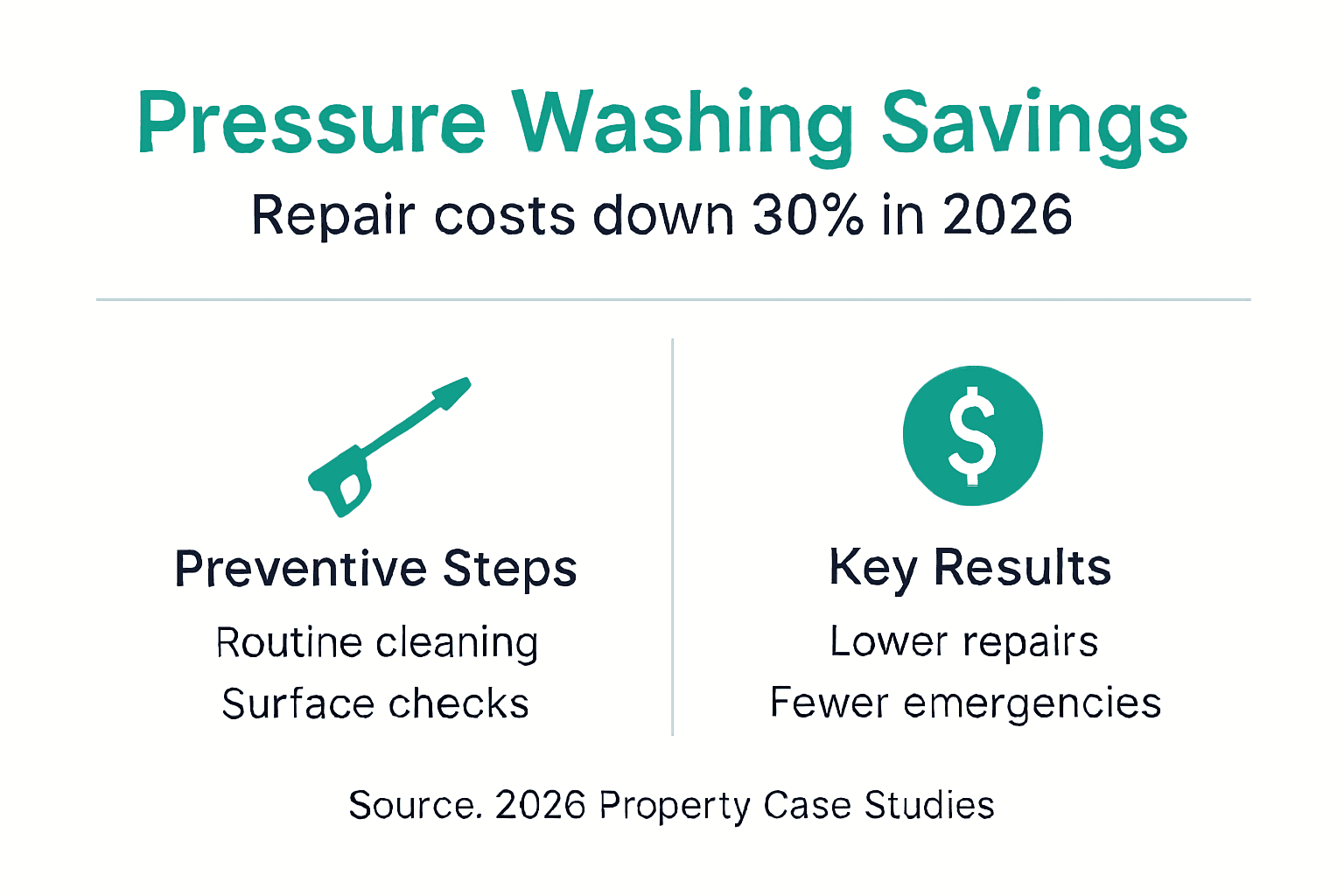
A 200 unit apartment complex in Texas reduced annual exterior repair costs from $48,000 to $36,000 after implementing quarterly pressure washing. Preventive pressure washing can reduce exterior repair costs by up to 25% within one year by preventing damage before it requires expensive fixes. The cleaning program cost $8,000 annually but saved $12,000 in avoided repairs, netting $4,000 positive return.
Tenant satisfaction improvements accompany cost savings. Properties with clean exteriors receive higher maintenance ratings in resident surveys. One property manager reported tenant satisfaction increasing by 15% after establishing visible exterior cleaning schedules. Clean buildings signal professional management and caring ownership.
Maintenance teams gain operational efficiency too. Scheduled cleaning is faster and easier than emergency repairs. Techs spend time preventing problems instead of scrambling to fix them. This shift improves morale and reduces overtime costs.
| Metric | Before Program | After Program | Improvement |
|---|---|---|---|
| Annual Repair Costs | $48,000 | $36,000 | 25% reduction |
| Tenant Satisfaction Score | 72% | 83% | 15% increase |
| Emergency Repair Calls | 45 per year | 28 per year | 38% decrease |
| Average Material Lifespan | 12 years | 16 years | 33% extension |
| Total Maintenance Budget | $156,000 | $118,000 | 24% savings |
Preventive programs reduce total lifecycle building exterior costs by up to 35% compared to reactive cleaning approaches. This substantial difference results from extending material life and avoiding premature replacements.
These effective preventive maintenance case studies demonstrate that pressure washing isn't an expense. It's a strategic investment that pays dividends through lower costs, happier tenants, and simpler operations.
Implementing Effective Pressure Washing Programs
Success requires more than buying equipment. You need trained personnel, clear procedures, and systematic tracking to deliver consistent results.
Training maintenance personnel improves adherence to procedures and prevents damage during pressure washing. Staff should understand pressure settings for different materials, proper nozzle selection, safe operating distances, and chemical handling if using cleaning agents. Even experienced maintenance workers need pressure washing specific training since improper technique damages surfaces quickly.
Vendor selection criteria when outsourcing:
- Proof of liability insurance covering property damage and injuries
- References from similar multi-family properties with verifiable results
- Equipment appropriate for your property's specific surface types
- Written procedures showing systematic approach to different areas
- Willingness to provide detailed documentation of work completed
Documentation systems track program effectiveness. Record each cleaning date, areas serviced, pressure settings used, and observations about surface condition. This data reveals patterns showing which areas need more frequent attention and proves maintenance value to ownership.
Pro Tip: Create feedback loops using inspection data to refine cleaning intervals. If mold reappears within three months, increase frequency. If surfaces stay clean for eight months, you can extend scheduling and reduce costs.
Establish clear procedures covering:
- Pre cleaning property walkthrough identifying obstacles and fragile items
- Equipment setup including pressure testing and safety checks
- Systematic cleaning patterns ensuring complete coverage without missed spots
- Post cleaning inspection verifying quality and catching any issues
- Documentation completion recording work for maintenance records
Whether using in house staff or professional pressure washing service providers, standardized processes ensure consistent quality. Every cleaning session should meet the same standards regardless of who performs the work.
Summary and Recommendations
Pressure washing transforms from simple cleaning into strategic preventive maintenance when implemented properly. The evidence is clear: regular cleaning reduces repair costs, extends material life, and improves tenant satisfaction. These benefits require correct technique, appropriate scheduling, and trained personnel.
Critical success factors:
- Match equipment pressure and temperature to specific surface requirements
- Train all operators on proper technique before allowing independent work
- Schedule cleanings proactively based on seasonal patterns and usage levels
- Document every session to track effectiveness and justify continued investment
- Monitor surface conditions between cleanings to refine frequency as needed
Start by assessing your current approach. Are you cleaning reactively after problems appear or proactively before damage occurs? Review your maintenance records to identify repair costs potentially prevented through regular washing. Calculate return on investment using data from properties similar to yours.
Begin implementation with high visibility areas like building entries and main walkways. Quick wins demonstrate value and build support for expanding the program. Gradually incorporate additional areas as you refine procedures and prove cost effectiveness.
Adapt your program based on results. Properties vary in environmental exposure, material types, and usage patterns. What works for one building may need adjustment for another. Regular monitoring and willingness to modify schedules ensures optimal outcomes.
Pressure washing preventive maintenance isn't complicated, but it requires commitment to consistent execution. The properties that gain maximum benefit treat it as essential infrastructure protection, not optional cosmetic service.
Enhance Your Multi-Family Property Maintenance with Monster Property Partners
Implementing these strategies effectively requires expertise and reliable execution. Monster Property Partners specializes in multifamily exterior cleaning services designed specifically for property managers facing the challenges you deal with daily.
We understand that your properties need more than occasional cleaning. They need systematic preventive maintenance that protects your investment while keeping tenants satisfied. Our team delivers consistent results through proven processes and commercial grade equipment matched to your building materials.
Explore our portfolio partnership options to see how we customize maintenance programs for properties of all sizes. From single buildings to entire portfolios, we provide the reliable service that lets you focus on managing properties instead of coordinating cleanings. Visit our exterior cleaning solutions page to discover how professional preventive maintenance protects your investment.
Frequently Asked Questions
What surfaces benefit most from pressure washing in multi-family properties?
Concrete walkways, parking areas, and building siding benefit most because they face constant exposure to contaminants that accelerate deterioration. Regular cleaning of these high impact surfaces delivers the greatest return through prevented repairs and extended material life.
How often should pressure washing be scheduled for effective preventive maintenance?
Most multi-family properties need biannual pressure washing in spring and fall for standard areas. High traffic zones like main entries and walkways may require quarterly cleaning. Adjust frequency based on environmental conditions and actual buildup rates observed between sessions.
Can pressure washing damage delicate materials if not done correctly?
Yes, excessive pressure or improper technique can damage vinyl siding, strip paint, splinter wood, and drive water behind exterior finishes. Proper training and calibrating equipment to match surface requirements prevents damage while delivering effective cleaning.
What training should staff receive before performing pressure washing?
Staff need training on pressure settings for different materials, nozzle selection and spray patterns, safe operating distances, equipment maintenance, and chemical handling if using cleaning agents. Even experienced maintenance workers require pressure washing specific instruction since techniques differ from other cleaning methods.
Are there environmental considerations in pressure washing for residential buildings?
Yes, runoff containing cleaning chemicals and contaminants must be managed to prevent storm drain contamination. Use biodegradable cleaners when possible, capture and filter wastewater in sensitive areas, and follow local regulations regarding discharge. Responsible practices protect the environment while maintaining property value.
Recommended
- Monster Property Partners | Exterior Cleaning Orlando
- Services | Multifamily Exterior Cleaning | Monster Property Partners
- Portfolio Partnership | Monster Property Partners
- Landlord Roof Repair Workflow for Effective Results
- How to Clean Siding on House: Easy Tips for a Fresh Look | Sabatalo Contracting