
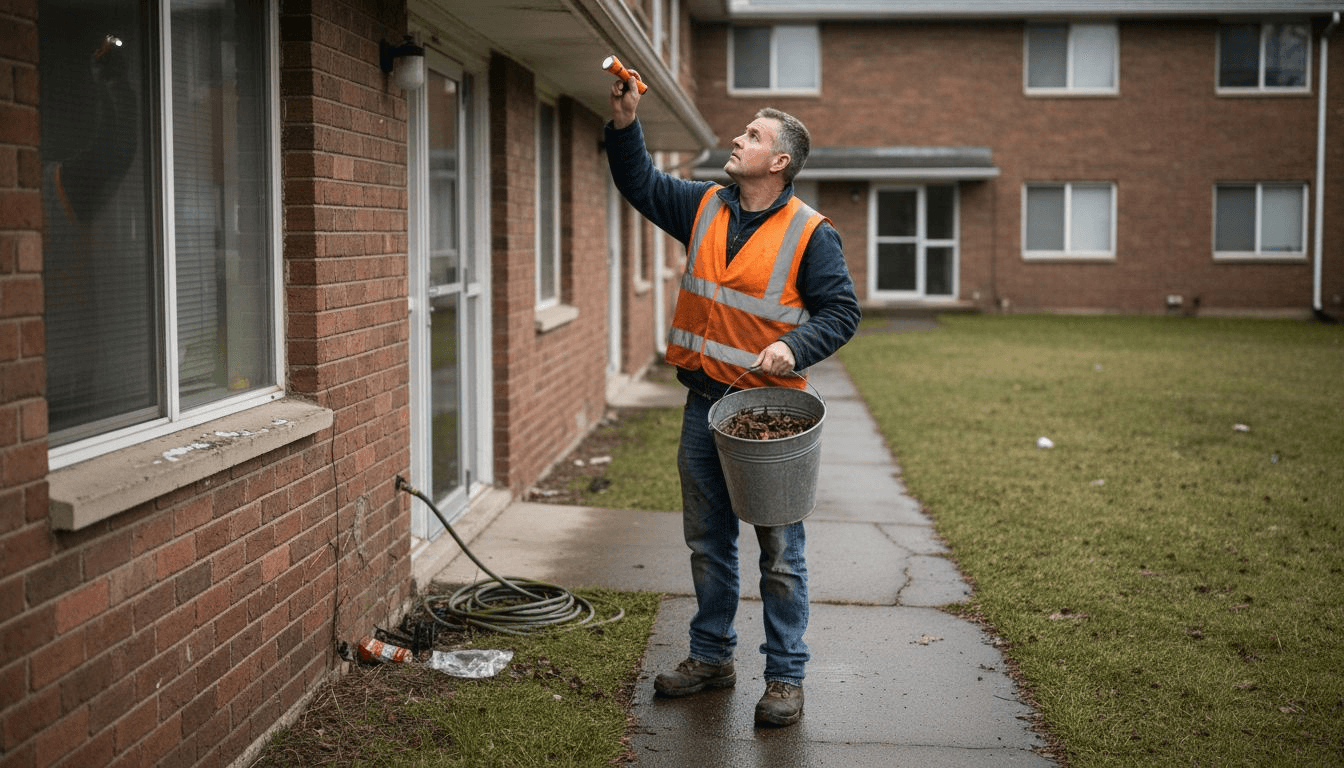
Every property manager of a multi-family building knows the challenge of balancing maintenance costs with tenant expectations. The exterior is much more than curb appeal—it protects against weather, keeps residents safe, and supports long-term asset value. Defining exterior maintenance helps you plan and budget effectively, from roofs down to walkways. By understanding what sets exterior upkeep apart, you can address both routine and specialized needs while maximizing tenant satisfaction and preserving property value across North America.
Table of Contents
- Defining Exterior Maintenance For Multi-Family Properties
- What Makes Exterior Maintenance Different
- Why Property Managers Need This Definition
- Key Components And Maintenance Methods Explained
- Roofing And Drainage Systems
- Building Envelope And Wall Systems
- Concrete And Pavement Care
- Doors, Windows, And Finishing Details
- Impact On Property Value And Tenant Retention
- The Property Value Connection
- Tenant Retention And Satisfaction
- The Long-Term Financial Picture
- Financial Implications And Risk Mitigation Strategies
- The Cost Of Deferred Maintenance
- Building A Preventive Maintenance Budget
- Risk Mitigation Through Planning
- Strategic Contracting For Cost Control
- Common Mistakes In Exterior Upkeep To Avoid
- Ignoring Water Intrusion Problems
- Delaying Pavement Maintenance
- Poor Maintenance Planning And Staff Training
- Hiring The Cheapest Contractor
Key Takeaways
| Point | Details |
|---|---|
| Importance of Exterior Maintenance | Regular exterior maintenance protects property value and enhances tenant satisfaction. |
| Preventive vs. Corrective Maintenance | Focus on preventive maintenance to avoid costly emergency repairs and extend the lifespan of building components. |
| Budgeting for Maintenance | Allocate 5-8% of gross rental income annually for exterior maintenance to mitigate unexpected expenses. |
| Impact on Tenant Retention and Value | Well-maintained exteriors improve occupancy rates and can justify higher rental prices, directly affecting profitability. |
Defining Exterior Maintenance for Multi-Family Properties
Exterior maintenance for apartments isn't just about keeping buildings looking fresh. It's about protecting your investment and creating safe, attractive environments for tenants.
For property managers, exterior maintenance encompasses all work performed outside the building envelope. This includes everything from the roof down to the foundation and surrounding grounds.
Key exterior maintenance areas include:
- Roofing systems including inspections, repairs, and replacements
- Siding and cladding to prevent weather damage and water intrusion
- Parking lots and walkways requiring regular seal coating and crack filling
- Drainage systems including gutters, downspouts, and ground-level drainage
- Landscaping and grounds maintenance for curb appeal and safety
- Windows and doors sealing and weatherproofing
- Concrete surfaces including patios, steps, and foundation areas
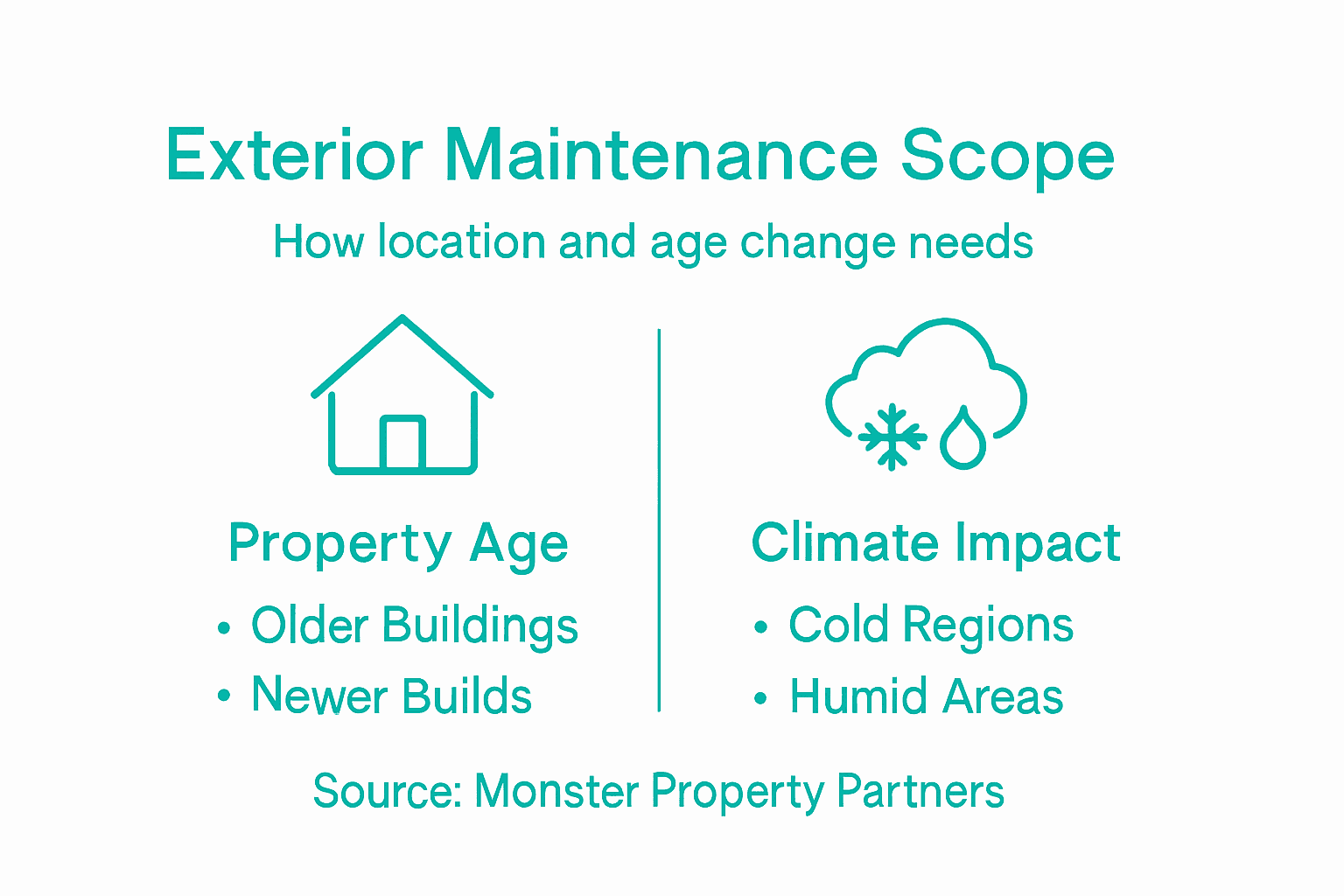
The scope varies by property age, location, and climate. A building in Denver faces different challenges than one in Miami. Preventive maintenance and repair techniques are foundational to maintaining structural integrity across diverse environments.
What Makes Exterior Maintenance Different
Unlike interior maintenance, exterior work faces constant exposure to weather, UV rays, temperature fluctuations, and seasonal changes. These elements accelerate wear and deterioration.
Exterior maintenance splits into two categories:
- Preventive maintenance - scheduled work before problems arise (roof inspections, sealant reapplication, gutter cleaning)
- Corrective maintenance - repairs addressing existing damage (patching roof leaks, replacing damaged siding, fixing foundation cracks)
Strategic exterior maintenance prevents costly emergency repairs and extends asset life by 10-15 years on average.
Property managers must distinguish between routine upkeep and specialized work. Routine tasks include landscaping, snow removal, and pressure washing. Specialized work requires licensed contractors for roofing, electrical, or plumbing issues.
Here's a concise overview of routine vs. specialized exterior maintenance tasks:
| Task Type | Typical Responsibilities | Required Expertise | Cost Predictability |
|---|---|---|---|
| Routine Maintenance | Mowing, pressure washing, snow removal | On-site staff or vendors | High (budgeted) |
| Specialized Work | Roofing, electrical, structural repairs | Licensed contractors | Variable (project-based) |
This summary helps clarify budget and staffing decisions for property managers.
Why Property Managers Need This Definition
Understanding what counts as exterior maintenance helps you budget accurately and prioritize work correctly. Without clear boundaries, you'll either overspend on unnecessary services or miss critical repairs.
Your budget should reflect seasonal demands. Spring and fall typically require intensive work. Winter demands snow removal and gutter maintenance. Summer focuses on pavement and landscape care.
Pro tip: Create a visual exterior maintenance checklist for each season, assigning specific tasks to different months so nothing falls through the cracks and tenant satisfaction stays consistently high.
Key Components and Maintenance Methods Explained
Exterior maintenance breaks down into specific components, each requiring different approaches and skill levels. Understanding these helps you allocate resources and plan effectively.
Roofing and Drainage Systems
Your roof is the first line of defense against weather damage. Regular inspections catch small problems before they become expensive.
Roofing maintenance includes:
- Inspecting for missing or damaged shingles
- Clearing debris from gutters and downspouts
- Checking for signs of leaks or water damage
- Sealing flashing around chimneys and vents
- Repairing or replacing damaged sections
Drainage systems prevent water from pooling around the foundation. Clogged gutters force water down exterior walls, causing rot and deterioration.
Building Envelope and Wall Systems
Building envelope refers to the sealed outer surface protecting interior spaces. Exterior wall systems include insulation, air sealing, and moisture barriers that prevent heat loss and water intrusion.
Key maintenance tasks involve:
- Caulking gaps around windows and doors
- Repairing damaged siding or brick
- Sealing cracks in foundation concrete
- Inspecting insulation performance
- Weatherproofing vulnerable joints
Proper caulking prevents water from entering walls where it causes mold and structural damage. Damaged siding exposes the building to moisture infiltration that weakens framing.
Concrete and Pavement Care
Parking lots and walkways take constant abuse from vehicles, foot traffic, and weather. Unsealed concrete deteriorates quickly in freeze-thaw cycles.
Parking lot maintenance requires:
- Seal coating every 2-3 years
- Filling cracks before they expand
- Patching potholes promptly
- Pressure washing to remove debris and staining
- Restriping parking spaces annually
Pressure washing removes dirt, algae, and mold that degrade concrete while improving tenant perception of your property.
Walkways need the same attention. Cracked concrete creates tripping hazards and opens pathways for water infiltration below the surface.

Doors, Windows, and Finishing Details
Caulking, door maintenance, and curb appeal management transform how tenants perceive your property. These visible elements create first impressions that affect leasing success.
Finishing details include:
- Re-keying door locks when tenants turn over
- Replacing weatherstripping on entry doors
- Cleaning and resealing windows
- Painting trim and exterior wood
- Maintaining landscaping and planters
These tasks seem minor but collectively signal quality maintenance to prospective tenants.
Pro tip: Schedule roofing and drainage inspections every spring and fall, pairing them with concrete repairs to handle multiple systems efficiently and prevent overlapping contractor visits.
Impact on Property Value and Tenant Retention
Exterior maintenance directly affects your bottom line. A well-maintained building commands higher rents and attracts quality tenants who stay longer.
Tenants notice everything about your property's exterior. Cracked pavement, peeling paint, and overgrown landscaping signal neglect. These first impressions influence leasing decisions before prospects even enter the building.
The Property Value Connection
Appraisers and potential buyers evaluate exterior condition heavily. A property with visible maintenance issues sells for less and attracts fewer investors. Well-maintained building exteriors contribute positively to property value by reducing long-term operating expenses and supporting stable rental revenues.
Consider these value impacts:
- Clean, attractive exteriors justify higher rental rates by 5-12%
- Well-maintained roofs and siding reduce future capital expenditures
- Good curb appeal decreases vacancy periods by 30-45%
- Quality exteriors lower insurance claims and premium increases
- Attractive properties sell faster with less negotiation needed
Investors specifically look for properties where previous owners invested in maintenance. Deferred exterior work becomes their biggest concern during due diligence.
Tenant Retention and Satisfaction
Tenant turnover costs money. Losing a resident means lost rent, turnover cleaning, repairs, repainting, and marketing to find replacements. Consistent exterior upkeep directly influences curb appeal and tenant satisfaction, reducing vacancies and maintenance-related disputes.
Tenants who feel their property is well-maintained stay longer. This reduces your turnover costs substantially.
Retaining residents for an extra 6 months saves more than the annual cost of professional exterior maintenance.
What creates satisfaction:
- Clean parking lots without potholes
- Attractive landscaping and entryways
- Well-sealed windows and doors
- Fresh paint and maintained signage
- Safe, illuminated walkways
- Debris-free gutters and downspouts
Tenants compare your property to others they consider. A shabby exterior loses them to competitors. A maintained one earns their loyalty and positive referrals.
This chart summarizes how well-executed exterior maintenance influences property performance:
| Maintenance Factor | Impact on Property Value | Effect on Tenant Retention |
|---|---|---|
| Curb Appeal | Increases appraisal by 5-12% | Enhances first impressions |
| Preventive Roof Care | Reduces capital expenses | Cuts emergency inconveniences |
| Landscaping Upkeep | Decreases vacancy periods | Boosts resident satisfaction |
| Well-Sealed Windows/Doors | Lowers insurance claims | Improves comfort and safety |
Use this reference to explain maintenance ROI to owners and stakeholders.
The Long-Term Financial Picture
Skipping exterior maintenance feels like saving money until emergency repairs hit. A roof leak costs more to fix than preventive maintenance would have cost. A cracked foundation becomes exponentially more expensive.
Your maintenance budget should reflect reality:
- Preventive exterior work costs 30-50% less than emergency repairs
- Regular maintenance extends roof life by 10-15 years
- Sealed concrete lasts twice as long as unsealed pavement
- Maintained siding prevents water damage worth thousands
Property managers who prioritize exterior maintenance attract better tenants, maintain higher occupancy rates, and preserve property values that continue appreciating.
Pro tip: Track your exterior maintenance expenses against vacancy rates and tenant renewal rates monthly to demonstrate the direct financial return to ownership, building a case for consistent budget allocation.
Financial Implications and Risk Mitigation Strategies
Exterior maintenance involves real costs, but skipping it creates much larger financial problems. Understanding the numbers helps you make smarter budget decisions that protect your investment.
Property managers face rising pressures on operating expenses. Rising insurance and maintenance costs increase financial pressures on property owners, potentially impacting rent rates and net income. Strategic budget allocation becomes essential for managing these costs effectively.
The Cost of Deferred Maintenance
Deferred maintenance compounds like debt. Small problems become expensive emergencies. A $500 roof inspection finding a leak costs $3,000 to repair. Ignoring it leads to $15,000 in water damage.
Costs escalate rapidly:
- Cracked concrete ($2,000 repair) becomes foundation issues ($25,000+)
- Peeling paint ($3,000 job) leads to wood rot ($8,000+)
- Clogged gutters ($300 cleaning) cause gutter replacement ($2,500+)
- Small roof leak ($1,000 patch) becomes full replacement ($8,000+)
Emergency repairs also disrupt operations. You lose rent, face emergency contractor premiums, and deal with tenant complaints. These indirect costs exceed the repair costs themselves.
Building a Preventive Maintenance Budget
Effective financial management involves allocating funds for planned preventative measures to avoid costly reactive repairs. Most property managers should allocate 5-8% of gross rental income annually to exterior maintenance.
A typical budget breakdown looks like:
- Roof inspection and minor repairs: 20%
- Pavement and concrete work: 30%
- Landscaping and grounds: 15%
- Windows, doors, and siding: 20%
- Gutters and drainage: 10%
- Emergency contingency: 5%
This allocation prevents surprises. You fund predictable costs before emergencies hit.
Risk Mitigation Through Planning
Preventive maintenance reduces insurance claims and premium increases. Insurers reward properties with documented maintenance schedules. Some policies offer 5-15% discounts for maintaining proactive maintenance records.
Document everything:
- Schedule annual inspections by licensed contractors
- Photograph conditions before and after work
- Maintain detailed maintenance logs
- Keep all contractor invoices and warranties
- Track completion dates for every task
Properties with documented maintenance plans experience 40% fewer emergency repairs and significantly lower insurance claims.
This documentation protects you during tenant disputes and insurance claims. It also supports higher property valuations when you eventually sell.
Strategic Contracting for Cost Control
Negotiate long-term relationships with contractors. Offering regular, predictable work provides better pricing than emergency calls.
Effective contracting strategies:
- Bid projects annually to ensure competitive pricing
- Bundle related work to reduce contractor setup costs
- Schedule during slow seasons for better rates
- Establish preventive maintenance contracts for recurring tasks
- Use pressure washing services regularly for cost efficiency
Multi-year contracts lock in rates before prices increase. You gain budget predictability while contractors enjoy steady income.
Pro tip: Create a rolling 12-month maintenance calendar that schedules work by season and cost, allowing you to spread expenses evenly throughout the year while capitalizing on contractor availability and pricing.
Common Mistakes in Exterior Upkeep to Avoid
Most property managers make predictable mistakes that cost thousands in damage. Recognizing these pitfalls helps you avoid expensive lessons.
The biggest mistakes stem from reactive thinking rather than planning. You wait until problems appear instead of preventing them. This approach always costs more and creates tenant frustration.
Ignoring Water Intrusion Problems
Water damage accelerates structural decay faster than any other factor. Once water penetrates your building envelope, it spreads invisibly before visible damage appears.
Common water intrusion mistakes:
- Ignoring small roof leaks that compound over years
- Leaving gutters clogged during rainy seasons
- Delaying caulk replacement around windows and doors
- Ignoring foundation cracks that allow groundwater entry
- Skipping basement or crawl space inspections
Inadequate maintenance leading to mold growth and water damage creates structural degradation that costs exponentially more to remediate than prevention. Mold remediation alone runs $5,000-$15,000 depending on severity.
Water problems hide behind walls and under floors. By the time tenants report issues, damage is extensive. Monthly inspections catch problems early when repairs cost hundreds instead of thousands.
Delaying Pavement Maintenance
Pavement deteriorates predictably. Small cracks become large ones. Untreated cracks allow water underneath, creating potholes that expand rapidly.
Parking lot mistakes include:
- Waiting until major cracking appears to seal coat
- Ignoring potholes that expand with seasonal freezing
- Skipping regular sweeping that allows debris accumulation
- Delaying crack filling until they're too large for simple repairs
- Neglecting drainage that creates standing water
Seal coating a lot every 3 years costs $200-$400 per space; ignoring it requires full overlay at $2,000+ per space.
Tenants notice cracked pavement immediately. It signals neglect and raises safety concerns about the entire property. Fix pavement issues promptly.
Poor Maintenance Planning and Staff Training
Your maintenance team needs proper training and clear procedures. Untrained staff perform repairs incorrectly, creating more problems.
Planning mistakes look like:
- Lacking written maintenance schedules and checklists
- Not documenting completed work
- Assigning complex tasks to untrained staff
- Purchasing wrong materials for repairs
- Ignoring seasonal maintenance needs
Poor planning and lack of proper training for maintenance staff contribute to inefficient repairs and increased costs. Continuous education ensures your team stays current with best practices.
Create detailed procedures for every task. Train staff annually. Document everything. This consistency prevents mistakes and protects your property.
Hiring the Cheapest Contractor
The lowest bid rarely delivers quality work. Budget contractors cut corners, use inferior materials, and disappear when problems arise.
Contractor selection mistakes:
- Choosing based solely on price without checking references
- Using unlicensed contractors for specialized work
- Skipping warranty requirements in contracts
- Not verifying insurance and bonding
- Accepting work without inspection before payment
A slightly higher bid from a reputable contractor saves money long-term. Quality work lasts years. Cheap work fails within months.
Pro tip: Request and verify at least three references from each contractor before hiring, specifically asking previous clients about warranty honors, timeline adherence, and how the contractor handles unexpected issues that arise during work.
Protect Your Apartment’s Exterior with Expert Pressure Washing Solutions
Maintaining the exterior of multi-family properties goes beyond small fixes and quick cleanups. The article highlights how critical regular exterior maintenance is for preventing costly repairs, boosting curb appeal, and increasing tenant satisfaction. Clogged gutters, stained surfaces, and deteriorating concrete not only damage your property but also risk losing renters and lowering your asset’s value. If you want to stay ahead of these challenges with reliable, professional care, you need a partner who understands the unique pressures of apartment exterior upkeep.
At Monster Property Partners, we specialize in commercial pressure washing tailored specifically for apartments and multi-family buildings. Our expert team focuses on effective communication and seamless project management to keep your property looking its best year-round. Don’t wait for water damage or grime buildup to create tenant complaints. Visit our website now to discover how our proven exterior cleaning services can extend your property’s life, enhance curb appeal, and reduce your long-term maintenance costs. Take control of your property’s exterior maintenance today with Monster Property Partners.
Frequently Asked Questions
Why is exterior maintenance important for apartments?
Exterior maintenance helps protect the investment in the property by preventing severe and costly damage. It also ensures a safe and attractive environment for tenants, which can enhance tenant satisfaction and retention.
What are the main components of exterior maintenance?
Key components include roofing systems, siding and cladding, drainage systems, landscaping, walkways, and maintenance of windows and doors. Each area requires regular inspections and upkeep to prevent deterioration and costly repairs.
How can proactive exterior maintenance save costs in the long run?
Proactive maintenance, such as regular inspections and timely repairs, can prevent emergency situations that are significantly more costly. It extends the life of the property's components, reducing overall maintenance expenses by avoiding major repairs down the line.
What are the consequences of neglecting exterior maintenance?
Neglecting exterior maintenance can lead to serious issues such as water damage, structural decay, and increased vacancy rates. Properties may suffer from decreased value and higher repair costs, negatively impacting rental income and tenant retention.
Recommended
- Monster Property Partners | Multifamily Exterior Cleaning Orlando FL
- Monster Property Partners | Multifamily Exterior Cleaning Orlando FL
- Portfolio Partnership | Monster Property Partners
- Benefits of Exterior Cleaning for Homeowners – white-diamond-pressure
- Gutter Cleaning in Asset Management – Preserving Value
- How to Prioritize Repairs After Inspections