
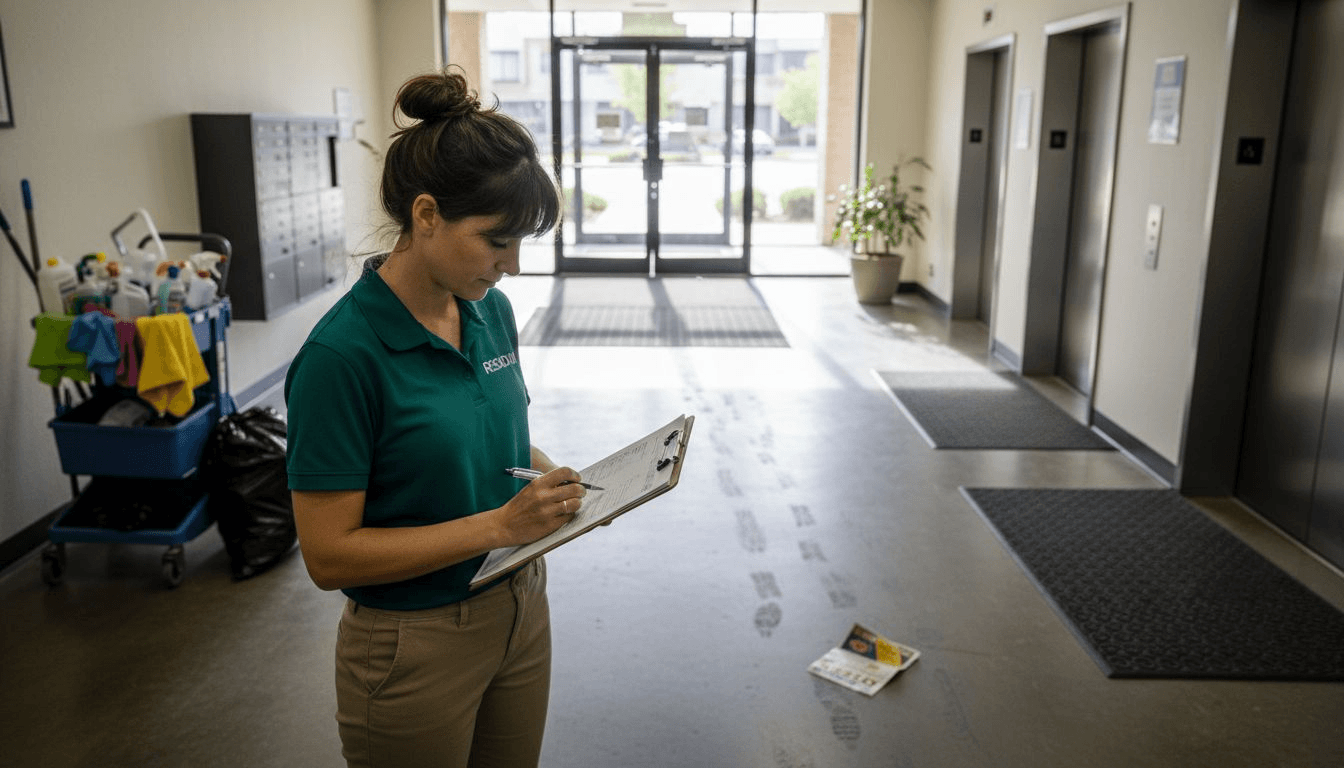
Keeping apartment communities spotless is more challenging than it seems. Entrances, elevators, laundry rooms, and amenity areas all collect germs and debris quickly, putting both property image and resident health at risk. If your cleaning process skips a step or ignores a critical area, small problems can grow into major complaints or even safety hazards.
You need a cleaning strategy that goes beyond basic tidying. This guide breaks down professional cleaning protocols and hands-on tactics for every major area of your property. From high-touch surface disinfection to safe exterior pressure washing, you’ll find proven solutions straight from trusted sources like OSHA and the CDC. Ready to discover the steps that truly keep every space clean, safe, and welcoming? The following strategies reveal exactly how to achieve—and maintain—the highest standards throughout your community.
Table of Contents
- Entrance And Common Area Cleaning Essentials
- Deep Cleaning Apartment Interiors
- Exterior Pressure Washing Guidelines
- Routine Trash And Recycling Removal
- Elevator And Stairwell Maintenance Tips
- Effective Laundry Room Sanitation
- Outdoor Amenity Area Upkeep
Quick Summary
| Takeaway | Explanation |
|---|---|
| 1. Implement Daily Surface Disinfection | Regularly disinfect high-touch areas to enhance safety and reduce health risks for tenants and visitors. |
| 2. Develop Comprehensive Cleaning Protocols | Establish systematic cleaning routines that prioritize high-traffic and shared areas to maintain cleanliness and professionalism. |
| 3. Utilize Color-Coded Cleaning Supplies | Employ color-coded tools and checklists to ensure thorough and efficient cleaning while preventing cross-contamination across different areas. |
| 4. Educate Residents on Waste Management | Clear communication and educational signage can significantly improve recycling practices and reduce contamination among residents. |
| 5. Schedule Regular Outdoor Maintenance | Proactive management of outdoor amenities, including landscaping and cleaning, preserves property value and enhances resident satisfaction. |
1. Entrance and Common Area Cleaning Essentials
Creating a robust cleaning strategy for property entrances and common areas is fundamental to maintaining a professional and welcoming environment. Property managers must develop comprehensive cleaning protocols that address high-traffic zones while minimizing potential health risks.
Entrance and common area cleaning goes far beyond basic tidiness. These spaces serve as the first point of contact for tenants and visitors, making them critical zones that reflect the overall management standards of a residential property. Sanitation standards require thorough cleaning to ensure safety and prevent potential hazards.
Key elements for effective entrance and common area cleaning include:
- Daily surface disinfection of high-touch areas like doorknobs, handrails, and elevator buttons
- Systematic floor maintenance including sweeping, mopping, and spot cleaning
- Waste management with strategically placed trash receptacles and regular emptying
- Visible cleaning schedules posted in common areas to demonstrate commitment to cleanliness
- Professional-grade cleaning equipment suited for commercial and multi-family spaces
Property managers should prioritize cleaning frequency based on usage levels. High-traffic entrances might require multiple cleaning cycles daily, while less frequented areas could have less intense schedules. The goal is creating a consistently clean environment that promotes tenant satisfaction and health.
Consistent cleaning protocols reduce potential liability and enhance the property's professional image.
Cleaning effectiveness depends not just on frequency but also on using appropriate cleaning agents and techniques. Microfiber cloths, color-coded cleaning tools, and professional-grade disinfectants can significantly improve cleaning outcomes.
Pro tip: Develop a rotating cleaning checklist with specific tasks assigned to different times of day to ensure comprehensive coverage and accountability.
2. Deep Cleaning Apartment Interiors
Deep cleaning apartment interiors requires a strategic and comprehensive approach that goes beyond routine surface maintenance. Property managers must develop systematic cleaning protocols that ensure thorough sanitization and preserve the quality of living spaces.
Comprehensive apartment cleaning involves meticulous attention to detail across multiple zones within the unit. The process encompasses more than just superficial tidying it demands a methodical strategy that addresses every surface and potential contamination point.
Key components of a robust deep cleaning process include:
- Systematic room-by-room cleaning approach
- High-touch surface disinfection targeting doorknobs, light switches, and countertops
- Comprehensive appliance and fixture inspection
- Detailed floor care including vacuuming, mopping, and spot treatment
- Thorough bathroom and kitchen sanitization
Property managers should recognize that deep cleaning is preventative maintenance. By addressing potential issues early and maintaining rigorous cleaning standards, you can extend the lifespan of apartment features and reduce long-term repair costs.
Effective deep cleaning transforms apartments from simply clean to truly well-maintained environments.
Prioritize cleaning sequences that maximize efficiency. Start with decluttering, then progress from top surfaces downward to ensure no area is overlooked. Pay special attention to areas prone to dirt and bacteria accumulation like kitchen counters, bathroom fixtures, and flooring.
Pro tip: Create a standardized deep cleaning checklist with specific time allocations for each task to ensure consistency and thoroughness across all apartment units.
3. Exterior Pressure Washing Guidelines
Exterior pressure washing represents a critical maintenance strategy for property managers seeking to preserve and enhance building appearances. Implementing systematic cleaning protocols can dramatically improve property aesthetics and prevent long-term surface degradation.
Pressure washing safety requires comprehensive procedures that protect both property and personnel during cleaning operations. Property managers must understand the nuanced techniques required to effectively clean exterior surfaces without causing unintended damage.
Key considerations for professional exterior pressure washing include:
- Appropriate pressure settings for different surface materials
- Protective equipment for cleaning personnel
- Surface-specific cleaning techniques
- Water temperature optimization
- Chemical solution selection
Understanding surface compatibility is crucial. Different materials like concrete, brick, stucco, and vinyl siding require unique pressure washing approaches. Incorrect pressure can cause permanent damage, so managers must train staff or hire professionals who understand these critical distinctions.
Professional pressure washing transforms properties from weathered to pristine with strategic cleaning techniques.
Successful exterior cleaning involves more than just water force. Managers should consider environmental factors like temperature, surface condition, and potential contaminants when developing pressure washing strategies.
Pro tip: Conduct a comprehensive surface assessment before pressure washing to determine the optimal cleaning technique and prevent potential property damage.
4. Routine Trash and Recycling Removal
Routine trash and recycling removal represents a critical operational responsibility for property managers seeking to maintain clean sustainable living environments. Effective waste management goes far beyond simple collection it involves strategic planning communication and environmental consciousness.
Recycling best practices require systematic approaches that minimize contamination and maximize resource conservation. Property managers play a pivotal role in educating residents and implementing efficient waste disposal protocols.
Key elements of successful trash and recycling management include:
- Clear communication about sorting guidelines
- Consistent collection schedules
- Strategic placement of recycling and trash receptacles
- Regular maintenance of disposal areas
- Educational signage explaining proper waste separation
Understanding contamination risks is crucial for effective recycling programs. Common mistakes like including plastic bags or food-contaminated items can render entire recycling batches unusable. Property managers must develop robust resident education strategies to mitigate these challenges.
Effective waste management transforms environmental responsibility into a community-wide effort.
Implementing digital communication tools can help property managers share real-time updates about recycling guidelines. Consider using resident portals mobile apps or periodic newsletters to keep waste disposal information current and accessible.
Pro tip: Create color-coded recycling stations with visual guides showing exactly what can and cannot be recycled to reduce contamination and improve overall waste management efficiency.
5. Elevator and Stairwell Maintenance Tips
Elevators and stairwells represent high-traffic zones in multi-family properties that require meticulous and systematic cleaning protocols. Property managers must develop comprehensive maintenance strategies that prioritize both cleanliness and safety for residents.
Elevator cleaning demands precise disinfection techniques that address multiple surface types and potential contamination points. These areas experience constant human interaction and require specialized cleaning approaches.
Key maintenance considerations include:
- High-touch surface disinfection
- Specialized cleaning tools for different surface materials
- Regular inspection of wear and tear
- Safety signage placement
- Cross-contamination prevention
Cleaning frequency matters. Elevators and stairwells should receive multiple cleaning cycles daily especially in high-occupancy buildings. Different surfaces require unique cleaning approaches vinyl floors need different treatment compared to metal handrails or carpeted areas.
Consistent maintenance transforms these shared spaces from potential health risks to safe comfortable environments.
Implement a rotating schedule that ensures no surface is overlooked. Consider time of day traffic patterns and resident usage when developing cleaning protocols. Digital tracking systems can help maintenance teams stay accountable and systematic.
Pro tip: Create color-coded cleaning kits for different areas to prevent cross-contamination and streamline your maintenance workflow.
6. Effective Laundry Room Sanitation
Laundry rooms represent critical shared spaces in multi-family properties where hygiene and sanitation protocols can dramatically impact resident health and satisfaction. Property managers must develop comprehensive strategies that transform these high-traffic areas into clean safe environments.
Laundry sanitation requires careful pathogen management to minimize potential health risks associated with shared facilities. Understanding the complex dynamics of textile contamination is crucial for implementing effective cleaning protocols.
Key sanitation considerations include:
- Proper contamination containment
- Strategic equipment maintenance
- Hygienic surface disinfection
- Clear resident guidelines
- Regular facility inspections
Pathogen survival rates vary significantly across different surfaces and fabrics. Some microorganisms can persist on textile surfaces for extended periods making thorough cleaning and disinfection essential. Property managers should implement rigorous cleaning schedules that address both visible and invisible contamination risks.
Comprehensive laundry room sanitation transforms shared spaces from potential health hazards into safe community resources.
Consider implementing digital tracking systems that monitor cleaning frequency equipment maintenance and resident usage. These systems can help property managers maintain consistent high-quality sanitation standards.
Pro tip: Create a comprehensive laundry room cleaning protocol with color-coded cleaning supplies and detailed checklists to ensure consistent and thorough sanitation across all surfaces.
7. Outdoor Amenity Area Upkeep
Outdoor amenity areas are the visual and functional centerpieces of multi-family properties that significantly impact resident satisfaction and community perception. Effective maintenance goes far beyond simple aesthetic considerations to encompass safety functionality and long-term property value.
Coordinated maintenance strategies preserve recreational environments by systematically addressing multiple critical aspects of outdoor space management. Property managers must develop comprehensive approaches that balance visual appeal with practical functionality.
Key outdoor amenity maintenance strategies include:
- Routine landscaping and vegetation management
- Regular trash and debris removal
- Equipment inspection and repair
- Surface pressure washing
- Safety feature maintenance
Infrastructure preservation requires proactive planning. Areas like pool decks playgrounds walking paths and common green spaces need consistent attention to prevent gradual deterioration. Regular inspection cycles can help identify potential issues before they become costly repairs.
Strategic outdoor amenity upkeep transforms shared spaces from basic facilities to vibrant community gathering points.
Implement digital tracking systems to document maintenance cycles equipment condition and repair histories. This approach provides transparency and helps budget for future improvements while demonstrating commitment to resident experience.
Pro tip: Develop a seasonal maintenance calendar that anticipates different upkeep requirements throughout the year to ensure comprehensive and timely outdoor area management.
Below is a comprehensive table summarizing the maintenance guidelines and strategies discussed throughout the article.
| Topic | Key Elements | Benefits/Considerations |
|---|---|---|
| Entrance and Common Area Cleaning | Daily surface disinfection, systematic floor maintenance, waste management, professional-grade equipment | Promotes tenant satisfaction and reduces liability risks. |
| Deep Cleaning Apartment Interiors | Room-by-room cleaning, surface disinfection, appliance inspection, detailed sanitization | Prevents long-term damage and ensures hygienic living spaces. |
| Exterior Pressure Washing | Surface-specific techniques, appropriate pressure settings, protective equipment | Enhances aesthetics while preserving material integrity. |
| Trash and Recycling Management | Sorting guidelines, consistent collection, educational signage | Encourages sustainability and minimizes waste contamination. |
| Elevator and Stairwell Maintenance | High-touch surface cleaning, safety inspection, specialized equipment | Provides safe and reliable shared space usage. |
| Laundry Room Sanitation | Pathogen management, clear resident guidelines, facility inspections | Ensures health and satisfaction in high-traffic areas. |
| Outdoor Amenity Area Upkeep | Routine landscaping, equipment inspections, seasonal maintenance calendars | Maintains visual appeal and functionality of community spaces. |
This table highlights key areas of focus and the importance of robust maintenance practices for multi-family residential properties.
Elevate Your Property Management Cleaning with Expert Exterior Services
Maintaining a thorough and effective cleaning checklist is essential to creating safe and welcoming spaces for tenants. This article highlights the challenges many property managers face such as high-traffic area sanitation, preventing surface damage, and ensuring consistent maintenance across interiors and exteriors. At Monster Property Partners, we understand the importance of professional pressure washing tailored for apartment and multi-family buildings to protect your investment and enhance curb appeal.
Take your cleaning strategy to the next level today. Our experienced team focuses on reliable operations and clear communication to deliver exterior cleaning solutions that align perfectly with your comprehensive property management checklist. Visit Monster Property Partners for more insights and discover how our commercial pressure washing services can make your entrances, exterior walls, and outdoor amenities look brand new. Do not wait until dirt or wear diminishes your property’s image. Schedule your consultation now and transform your property with expert care.
Frequently Asked Questions
What are the essential items to include in a property management cleaning checklist?
To create a comprehensive property management cleaning checklist, include daily surface disinfectants, microfiber cloths, professional-grade cleaning equipment, waste management supplies, and specific tools for deep cleaning. Ensure that each item aligns with the unique needs of your property to maintain a clean and welcoming environment.
How often should cleaning items be used in property management?
Use your cleaning items based on the traffic levels of different areas. High-traffic zones should be cleaned multiple times a day, while less frequented spaces might need daily or weekly attention. Prioritize usage to ensure that all areas remain hygienic and well-maintained.
What cleaning techniques improve the effectiveness of my checklist?
Incorporate specific cleaning techniques like color-coding cloths and tools to prevent cross-contamination. Use appropriate disinfectants for different surfaces, and establish a routine that allows for systematic cleaning from high to low surfaces for thorough sanitation.
How do I manage waste disposal effectively in my cleaning checklist?
Effective waste management involves placing clearly marked trash and recycling bins in accessible locations and emptying them regularly. Create a schedule that aligns with your cleaning routine to keep waste areas clean and organized, aiming for at least daily checks.
What steps can I take to enhance deep cleaning protocols in apartment interiors?
Focus on a systematic room-by-room approach for deep cleaning and include detailed tasks for high-touch surfaces such as light switches and doorknobs. Implement a standardized checklist to allocate time for each task, aiming to complete deep cleanings at least once every three months.
How can I ensure outdoor cleaning aligns with my property management checklist?
To address outdoor cleaning, create a separate section in your checklist that includes pressure washing, landscaping, and equipment maintenance. Regularly schedule these tasks, ideally on a monthly basis, to maintain the visual appeal and safety of outdoor amenity areas.
Recommended
- Monster Property Partners | Multifamily Exterior Cleaning Orlando FL
- Monster Property Partners | Multifamily Exterior Cleaning Orlando FL
- Portfolio Partnership | Monster Property Partners
- Role of Cleaning for Property Managers – Boosting Tenant Value – Majic Maids Cleaning Services
- 7 Essential Window Cleaning Tips for Rental Properties