
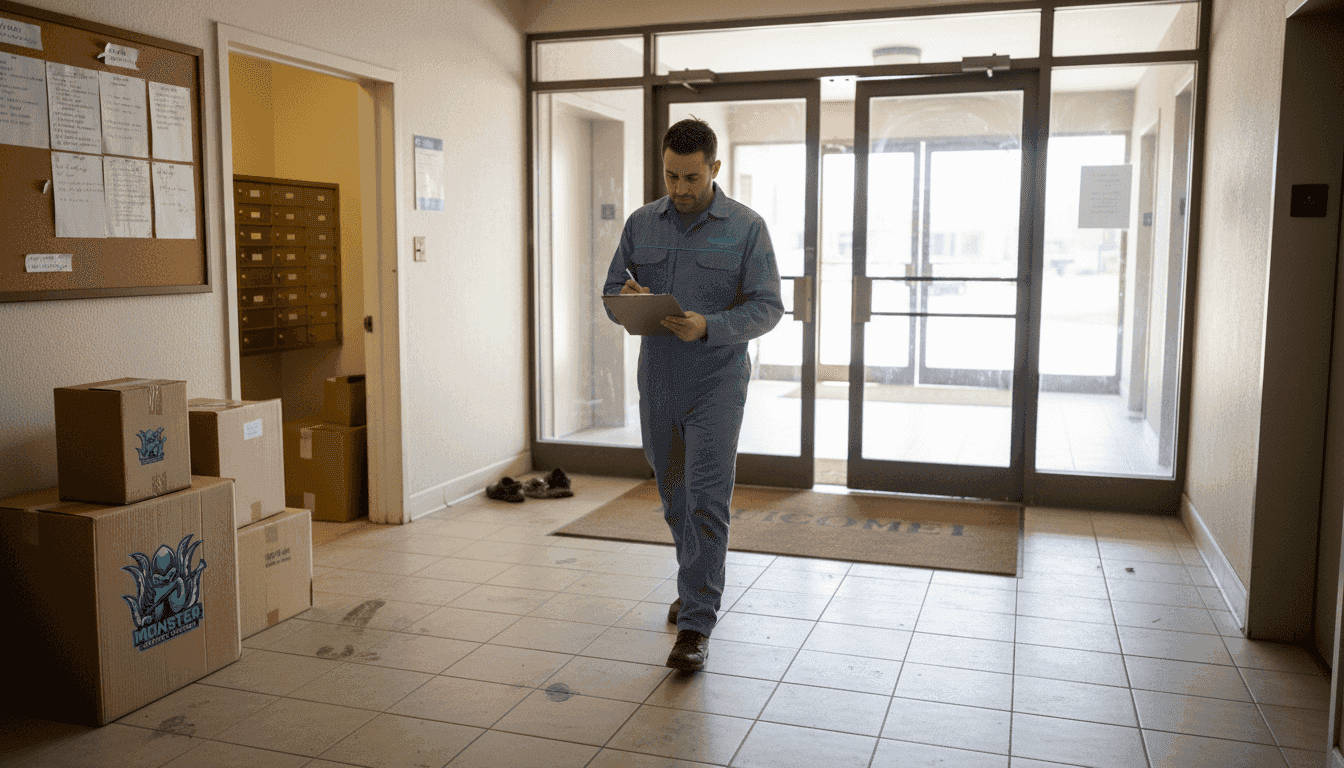
Maintaining consistent cleanliness across multi-family properties challenges even the most organized property managers. Tenant satisfaction, regulatory compliance, and property value all depend on systematic cleaning routines. This guide delivers actionable strategies for selecting, implementing, and optimizing cleaning checklists that transform maintenance operations and boost tenant retention in 2026.
Table of Contents
- How To Choose An Effective Cleaning Checklist
- Daily Cleaning Tasks For Tenant And Common Areas
- Weekly And Monthly Cleaning Duties
- Quarterly To Annual Cleaning And Maintenance Integration
- Professional Cleaning Services: Pros, Cons, And Best Uses
- Summary Comparison Table Of Cleaning Schedule Frequencies And Areas
- Situational Recommendations: Choose Your Checklist Based On Property Needs
- Streamline Your Property Cleaning With Expert Support
- Frequently Asked Questions
Key takeaways
| Point | Details |
|---|---|
| Organize tasks by frequency | Structure cleaning schedules from daily to annual for efficiency and consistency |
| Prioritize high-touch surfaces | Regular sanitizing of door handles, switches, and buttons reduces tenant complaints |
| Integrate with maintenance | Coordinated cleaning and maintenance schedules improve property value retention |
| Professional services support | Strategic outsourcing supplements in-house teams for complex or large properties |
How to choose an effective cleaning checklist
Selecting the right cleaning checklist determines whether your property maintenance runs smoothly or becomes a constant source of stress. An effective property management cleaning checklist organizes tasks by frequency, from daily routines to annual deep cleans, giving your team clear priorities and measurable accountability.
Start by assessing your property's unique needs. Consider building size, tenant count, and amenities like gyms or pools. Your checklist must cover three critical zones: tenant units, common areas, and exterior spaces. Each zone requires different frequencies and specialized attention.
Regulatory compliance cannot be an afterthought. Health and safety codes vary by jurisdiction, but most require documented cleaning of shared spaces and proper handling of hazardous materials. Your checklist should explicitly reference local requirements to protect against liability.
Integration matters more than you might think. Cleaning schedules should align with maintenance inspections, pest control visits, and seasonal preparations. When your cleaning team knows the HVAC technician arrives Thursday, they can coordinate filter changes and vent cleaning for maximum efficiency.
Flexibility ensures long-term success. A 50-unit building needs different task allocation than a 200-unit complex. Build scalability into your cleaning checklist structure by creating modular task lists you can expand or contract based on staffing and budget realities.
Pro Tip: Color code your checklist by priority level. Red for health and safety critical tasks, yellow for tenant-facing areas, and green for general upkeep helps teams make smart decisions when time runs short.
Consider these checklist components:
- Task descriptions with specific outcomes, not vague instructions
- Estimated time requirements for realistic scheduling
- Required supplies and equipment lists
- Quality checkpoints for verification
- Space for notes on issues requiring maintenance follow-up
Download property management checklist templates as starting points, then customize them to match your property's reality. Generic templates miss critical details that matter to your tenants and your bottom line.
Daily cleaning tasks for tenant and common areas
Daily cleaning forms the foundation of tenant satisfaction and property hygiene. These tasks prevent minor issues from becoming major complaints and create the clean environment tenants expect when they pay rent on time.
Floor care tops the daily priority list. Vacuum high-traffic carpets in hallways, lobbies, and common rooms. Mop hard surface floors with appropriate cleaners for the material. Entrance areas need extra attention because they trap dirt before it spreads throughout the building.
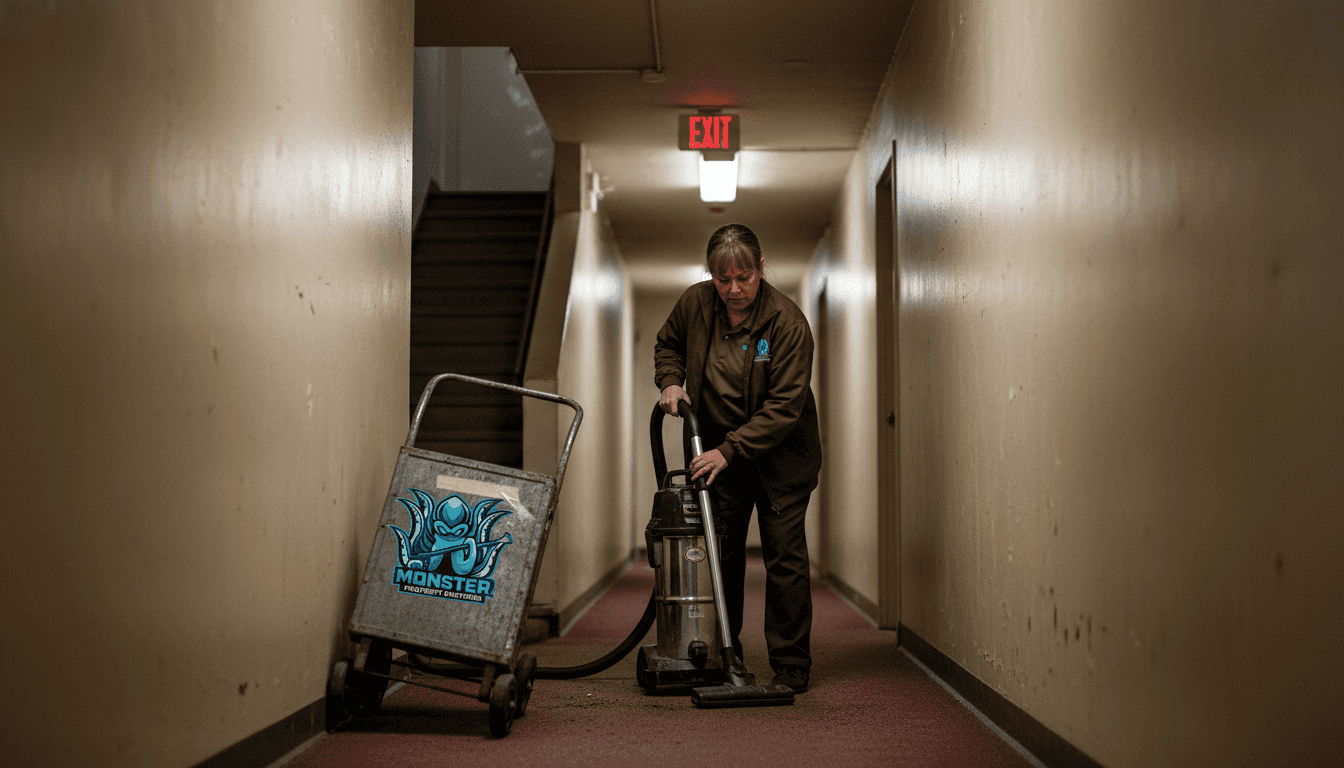
Surface cleaning maintains the polished appearance tenants notice immediately. Dust horizontal surfaces including countertops, tables, and windowsills. Clean and polish fixtures in bathrooms and kitchens. Wipe down appliances in shared spaces to remove fingerprints and spills.
Sanitizing high-touch surfaces like door handles, light switches, and elevator buttons reduces tenant health concerns and complaint rates. Use EPA-approved disinfectants and follow contact time requirements for effective pathogen elimination. Mailbox areas, stairwell railings, and laundry room touchpoints need daily attention.
Waste management prevents odors and pest attraction. Empty all trash receptacles and replace liners before they overflow. Clean receptacle exteriors weekly to prevent residue buildup. Place extra attention on garbage chute rooms and dumpster areas where spills occur frequently.
Tenant-facing spaces require special focus:
- Lobby areas: maintain entrance appeal with spotless floors and dust-free surfaces
- Elevator interiors: clean mirrors, walls, and floors to prevent odor accumulation
- Shared kitchens: wipe counters, clean sinks, and sanitize appliance handles after each business day
- Restrooms: full cleaning including toilets, sinks, mirrors, and floor mopping
- Stairwells: sweep or vacuum stairs and landings, spot clean walls
Coordinate daily cleaning with tenant activity patterns. Schedule noisy tasks like vacuuming during business hours when most tenants work away from home. Reserve quiet tasks like surface wiping for early morning or evening hours. Strategic timing reduces disruption complaints while maintaining thoroughness.
Consider implementing exterior cleaning strategies for entryways that complement interior daily routines. Clean exterior doors and mats prevent dirt from entering the building in the first place.
Weekly and monthly cleaning duties
Weekly and monthly tasks dig deeper than daily maintenance, tackling areas that accumulate grime gradually and preventing long-term deterioration. These scheduled cleanings keep your property looking sharp and functioning properly.
Bathrooms require intensive weekly attention beyond daily surface cleaning. Scrub tile grout with appropriate cleaners to prevent mold growth. Deep clean toilet bowls, including under the rim where minerals accumulate. Polish fixtures until they shine and check for leaks or drips that indicate maintenance needs.
Kitchen deep cleans happen weekly in shared spaces. Clean inside and behind appliances, not just surfaces. Degrease range hoods and filters. Sanitize refrigerator interiors and check for expired items tenants may have abandoned. Deep clean sinks and drains to prevent clogs and odors.
Window washing on a monthly schedule maintains natural light and curb appeal. Clean interior glass with streak-free cleaners. Exterior windows need weather-appropriate timing and may require professional equipment for upper floors. Don't forget window tracks and sills where dirt accumulates.
Multi-family properties benefit from layered schedules that integrate pest control, HVAC checks, and plumbing inspections with cleaning routines. Monthly coordination prevents duplicate efforts and ensures nothing falls through the cracks.
Exterior attention keeps first impressions positive. Weekly sidewalk and walkway cleaning removes debris and stains. Biannual power washing restores concrete, brick, and siding to like-new appearance. Coordinate these tasks with landscaping schedules for comprehensive property presentation.
HVAC system maintenance supports air quality and energy efficiency. Check and replace filters monthly based on usage and season. Clean supply and return vents quarterly to remove dust buildup. Schedule professional duct cleaning annually for optimal system performance.
Pest control integration prevents infestations before they start:
- Monthly inspections of common areas, storage rooms, and waste areas
- Quarterly treatments in high-risk zones like basements and utility rooms
- Immediate response protocols for tenant reports
- Documentation of all pest activity for trend analysis
Pro Tip: Create a rotating schedule for monthly tasks so different areas get deep attention throughout the year without overwhelming your team in any single month. January focuses on amenities, February on hallways, and so on.
Track completion rates and time requirements for these tasks. Data reveals whether your staffing levels match workload reality. Adjust schedules based on seasonal factors like increased foot traffic during winter months when tenants spend more time indoors.
Consider multifamily exterior cleaning services for specialized tasks like power washing that require professional equipment and expertise. Strategic outsourcing frees your team for tasks where their skills add maximum value.
Quarterly to annual cleaning and maintenance integration
Less frequent but critical tasks maintain long-term property health and regulatory compliance. Quarterly to annual schedules prevent expensive emergency repairs by catching problems early through systematic inspection and cleaning.
Communal amenities need intensive quarterly attention. Deep clean gym equipment, mats, and locker rooms with commercial-grade sanitizers. Service laundry equipment including lint trap systems and water supply lines. Clean and inspect pool facilities according to health department requirements, adjusting frequency based on usage rates.
Major system inspections happen quarterly to catch developing issues. HVAC technicians check refrigerant levels, test thermostats, and inspect ductwork. Plumbers examine supply lines, drain systems, and water heaters for leaks or corrosion. Electricians test outlets, inspect panels, and verify safety systems function properly.
Seasonal cleaning tasks prepare properties for weather changes and reduce deterioration from environmental factors. Spring cleaning emphasizes exterior restoration after winter damage. Fall preparations protect against harsh weather and prepare heating systems for heavy use.
Exterior maintenance deserves systematic quarterly attention:
| Task | Frequency | Purpose |
|---|---|---|
| Roof inspection | Quarterly | Identify leaks before interior damage |
| Gutter cleaning | Biannually | Prevent water damage and ice dams |
| Exterior paint check | Annually | Maintain weather protection and curb appeal |
| Foundation inspection | Annually | Detect settling or water intrusion |
| Parking lot maintenance | Biannually | Seal cracks and refresh line striping |
Fire safety equipment requires annual professional inspection in most jurisdictions. Test all smoke detectors, carbon monoxide alarms, and fire extinguishers. Inspect emergency lighting and exit signage. Document everything for insurance and regulatory compliance.
Pest control intensifies seasonally when insect and rodent activity peaks. Spring and fall treatments create barriers before populations explode. Winter inspections focus on entry points where pests seek warmth. Summer monitoring catches problems while populations remain manageable.
Landscaping maintenance coordinates with property cleaning. Spring mulching, summer irrigation checks, fall leaf removal, and winter snow management all impact property appearance and safety. Your cleaning team should communicate regularly with landscaping contractors to address overlapping concerns.
Create a master calendar that visualizes all quarterly and annual tasks across departments. Color coding by department (cleaning, maintenance, landscaping, pest control) reveals scheduling conflicts and coordination opportunities. Digital tools with reminder notifications prevent missed deadlines.
Budget planning becomes easier with systematic long-term schedules. Annual deep cleans cost more than daily maintenance but prevent catastrophic failures that destroy budgets. Track costs per task to refine future estimates and justify budget requests to property owners.
Professional cleaning services: pros, cons, and best uses
Deciding between in-house teams and professional services shapes your operational efficiency and cleaning outcomes. Each approach offers distinct advantages depending on your property size, budget constraints, and quality standards.
Tenant satisfaction often improves with professional cleaning because specialized companies maintain consistent quality standards and accountability. They bring commercial-grade equipment, proven techniques, and trained staff who execute tasks efficiently. Tenants notice the difference between adequate cleaning and exceptional results.
Cost analysis requires looking beyond hourly rates. In-house teams provide flexibility and immediate availability but require wages, benefits, equipment purchases, and ongoing training. Professional services bundle these costs into contract rates but may charge premiums for after-hours or emergency work. Calculate true cost per square foot for accurate comparison.
| Factor | In-House Team | Professional Service |
|---|---|---|
| Control | Direct supervision | Contract specifications |
| Flexibility | Immediate task changes | Scheduled service windows |
| Equipment | Capital investment required | Included in service |
| Expertise | Training investment needed | Specialized skills included |
| Scalability | Hiring delays | Rapid capacity adjustment |
Quality control mechanisms differ significantly. In-house teams respond to your immediate feedback and correction. Professional services require formal communication channels and contract enforcement. Cleaning checklists improve communication and task tracking with either approach, reducing missed tasks and budget surprises.
Reliability standards matter when tenants expect consistent results. Professional companies maintain backup staff for sick days and vacations. In-house teams may struggle with coverage gaps unless you maintain adequate staffing buffers. Consider your tolerance for service interruptions when making decisions.
Scalability advantages favor professional services for large or complex properties. Adding 100 units to your portfolio requires hiring and training new staff if cleaning stays in-house. Professional companies absorb growth without your HR involvement. This flexibility supports aggressive expansion strategies.
Best use cases for professional services:
- Specialized tasks like carpet deep cleaning or window washing above three stories
- Seasonal surges requiring temporary capacity increases
- Properties with amenities requiring certified expertise (pool maintenance, gym equipment)
- Emergency cleanup situations (flooding, pest infestations, biohazard incidents)
- Regular exterior power washing and hard surface restoration
Coordinating multiple vendors amplifies both benefits and challenges. Professional cleaners, maintenance contractors, and pest control providers must communicate to avoid conflicts and maximize synergies. Establish clear points of contact and regular coordination meetings.
Explore professional multifamily cleaning services that specialize in exterior and common area maintenance. Strategic partnerships deliver consistent results while freeing your team to focus on tenant relationships and property management priorities.
Summary comparison table of cleaning schedule frequencies and areas
Consolidating cleaning tasks by frequency and location creates clarity for implementation. This reference tool helps managers quickly understand scheduling priorities and resource allocation across their properties.
| Frequency | Tenant Units | Common Areas | Exterior Spaces | Professional Service Recommended |
|---|---|---|---|---|
| Daily | Vacant unit prep, turnover cleaning | Lobbies, hallways, elevators, restrooms | Entryway sweeping, trash collection | Not typically |
| Weekly | Move-in/move-out deep cleans | Kitchen/bathroom deep cleans, stairwells | Walkway cleaning, light exterior touchup | For specialized tasks |
| Monthly | HVAC filter checks, window cleaning | Window washing, floor stripping/waxing | Parking lot sweeping, landscaping coordination | Window washing upper floors |
| Quarterly | Carpet deep cleaning, appliance servicing | Amenity deep cleans, major system inspections | Gutter cleaning, exterior inspection | Carpet cleaning, exterior maintenance |
| Biannually | Comprehensive unit inspection | HVAC duct cleaning, pest barrier treatments | Power washing, roof inspection | Highly recommended |
| Annually | Full maintenance audit | Fire safety equipment certification | Paint/siding assessment, parking lot sealing | Required for compliance tasks |
High-priority health and safety tasks deserve special notation in your implementation schedule. Daily sanitizing of high-touch surfaces protects tenant health. Monthly pest inspections prevent infestations. Annual fire safety certifications ensure regulatory compliance and tenant safety.
Professional service integration points appear throughout the schedule but concentrate in quarterly through annual frequencies. These tasks require specialized equipment, technical expertise, or safety certifications that make outsourcing more cost-effective than developing in-house capabilities.
Use this cleaning frequency summary as a starting template, then adjust based on your property's unique characteristics. High-traffic buildings may need more frequent common area attention. Properties with extensive amenities require additional specialized cleaning beyond this baseline.
Seasonal adjustments should modify this schedule. Winter demands more frequent entryway cleaning due to snow and salt tracking. Summer may require increased pool and outdoor amenity cleaning. Build flexibility into your system for these predictable variations.
Situational recommendations: choose your checklist based on property needs
Tailoring your cleaning approach to specific property characteristics maximizes efficiency and tenant satisfaction. Generic checklists waste resources on unnecessary tasks while missing critical needs unique to your situation.
Small to mid-size properties (50-100 units) succeed with primarily in-house daily and weekly cleaning. Your team handles routine tasks while outsourcing quarterly specialized work like carpet deep cleaning or exterior power washing. This hybrid approach controls costs while maintaining quality standards. Focus on building strong relationships with a few reliable contractors for occasional needs.
Large complexes (100+ units) require more sophisticated coordination. Implement daily in-house cleaning for common areas and high-traffic zones. Add quarterly professional deep cleans for amenities and biannual exterior restoration services. The scale justifies investing in property management software that tracks tasks, schedules vendors, and documents completion for accountability.
Properties with extensive amenities demand specialized attention:
- Gyms require daily equipment sanitizing and weekly deep cleans with commercial products
- Pools need daily chemical testing and weekly professional servicing during season
- Business centers demand daily tidying and weekly technology equipment cleaning
- Party rooms require post-event deep cleans and monthly comprehensive sanitizing
- Parking garages need monthly sweeping and annual pressure washing for safety
Budget-conscious teams should prioritize high-impact tasks that directly affect tenant satisfaction and retention. Daily lobby and common area cleaning matters more than monthly window washing. Properties with comprehensive checklists report 20% higher asset value retention over five years, proving that systematic maintenance pays long-term dividends.
Regularly review and update your checklist quarterly based on operational results. Track which tasks consistently run over time estimates. Note areas where tenant complaints concentrate. Adjust frequencies up or down based on actual conditions rather than assumptions.
Pro Tip: Survey tenants annually about cleaning satisfaction but ask specific questions about different areas and times of day rather than general impressions. This data reveals exactly where to focus improvement efforts for maximum impact.
Consider seasonal staffing adjustments. Winter may require additional personnel for snow removal and entryway maintenance. Summer might need extra attention to exterior spaces and amenities. Flexible staffing models using part-time or contract workers smooth out these variations without permanent overhead increases.
New properties benefit from aggressive initial cleaning schedules during lease-up. First impressions matter enormously when competing for tenants. Scale back slightly once occupancy stabilizes but maintain enough frequency to prevent backsliding.
Explore exterior cleaning solutions that complement your internal cleaning programs. Professional partnerships handle specialized tasks efficiently while your team focuses on daily tenant-facing responsibilities that build community satisfaction.
Streamline your property cleaning with expert support
Executing comprehensive cleaning checklists consistently requires both systematic planning and reliable execution. Even the best-designed schedule fails without the resources and expertise to implement it properly across large multi-family properties.
Professional exterior cleaning services transform property appearance while supporting your internal maintenance teams. Specialized equipment and trained technicians handle power washing, concrete restoration, and building facade cleaning more efficiently than in-house teams attempting to add these skills. Strategic outsourcing concentrates your staff on daily tenant interactions while experts handle quarterly and annual intensive work.
Tailored cleaning packages scale with your portfolio growth. Whether managing 100 units or 1,000 units across multiple properties, partnership models provide consistent quality without the complexity of managing multiple vendor relationships. Coordinated scheduling ensures all properties maintain the same high standards that build your reputation.
Explore multifamily exterior cleaning services designed specifically for property managers who demand reliability and results. Our team delivers the operational excellence and communication that keeps large projects on schedule and on budget. Discover portfolio partnership opportunities that align cleaning services with your growth objectives and property management priorities.
Frequently asked questions
How often should I update my cleaning checklist?
Review your cleaning checklist quarterly and update it whenever you add amenities, change staffing levels, or receive consistent tenant feedback about specific areas. Annual comprehensive reviews ensure your checklist reflects current property conditions and regulatory requirements.
What areas need the most frequent cleaning in multi-family buildings?
Lobby entrances, elevator interiors, and shared restrooms require daily cleaning because high tenant traffic and visibility make these areas critical for satisfaction. Stairwells and hallways need daily attention in high-occupancy buildings but may shift to every other day in smaller properties.
Can professional cleaning services reduce tenant complaints?
Yes, professional services typically reduce complaints by 30-40% because they maintain consistent quality standards and bring specialized equipment for deep cleaning tasks. Tenants notice the difference between adequate maintenance and exceptional results, particularly in common areas and exterior spaces.
How do I integrate pest control with my cleaning schedule?
Schedule pest control inspections monthly and coordinate them with deep cleaning days so your team can address sanitation issues inspectors identify. Quarterly pest treatments should align with seasonal deep cleans to maximize effectiveness and minimize property disruption.
What cleaning tasks should I never skip to maintain property value?
Daily sanitizing of high-touch surfaces, weekly bathroom deep cleans, monthly HVAC filter changes, and biannual exterior power washing are non-negotiable for protecting property value. Skipping these tasks accelerates deterioration and creates expensive repair needs that far exceed cleaning costs.
Should I use the same cleaning checklist for all my properties?
Start with a master template but customize it for each property based on size, amenities, and tenant demographics. A property with a gym and pool needs different task frequencies than a basic residential building, even if core cleaning principles remain consistent across your portfolio. Contact professional cleaning services to develop property-specific strategies that optimize results while controlling costs.