
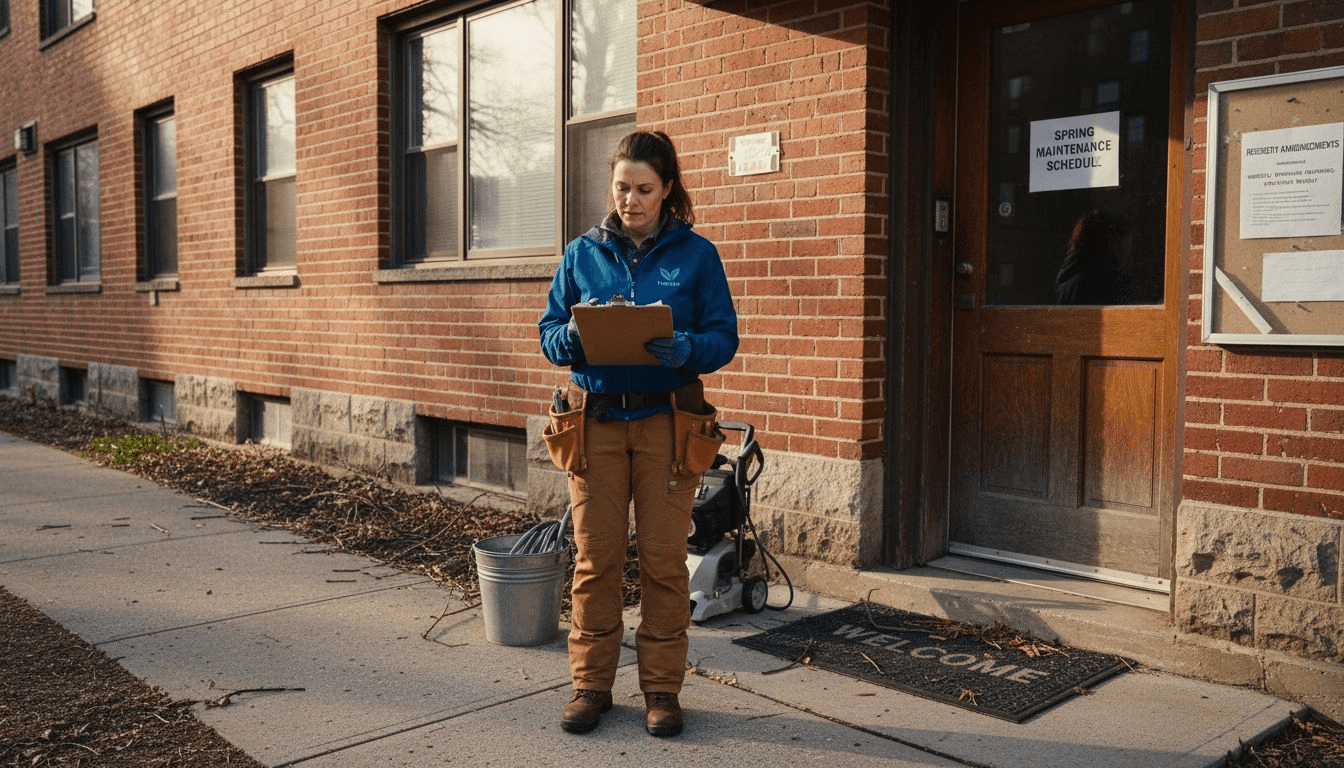
Every property manager in a major city knows the difference fresh, well-maintained exteriors can make. Proactive exterior cleaning not only preserves your property's appearance but also helps prevent costly repairs and safety risks. With high foot traffic, pollution, and ever-changing weather, urban multi-family buildings need a targeted maintenance approach. This guide offers practical, step-by-step solutions to help you create efficient exterior cleaning routines that boost your property's curb appeal and keep tenants satisfied year-round.
Table of Contents
- Step 1: Assess Property Exterior and Schedule Cleaning
- Step 2: Gather Equipment and Assign Cleaning Teams
- Step 3: Perform Pressure Washing and Surface Treatments
- Step 4: Inspect Results and Address Areas Needing Attention
- Step 5: Document Completion and Communicate with Tenants
Quick Summary
| Key Point | Explanation |
|---|---|
| 1. Prioritize Exterior Assessments | Conduct regular evaluations to identify cleaning and repair needs before they escalate into costly issues. |
| 2. Schedule Cleanings Based on Location | Tailor cleaning frequencies to environmental factors for optimal maintenance and aesthetics. |
| 3. Organize Cleaning Teams Effectively | Assign clear roles and responsibilities to ensure efficient and safe completion of exterior cleaning tasks. |
| 4. Use Proper Cleaning Techniques | Apply pressure washing and surface treatments according to specific materials to prevent damage and ensure thorough cleaning. |
| 5. Communicate Results Transparently | Provide detailed reports and visual evidence to tenants about completed cleaning activities, fostering trust and awareness. |
Step 1: Assess Property Exterior and Schedule Cleaning
Effective property maintenance starts with a comprehensive exterior assessment that identifies potential cleaning and repair needs across your multi-family residential buildings. Strategic exterior evaluations help property managers proactively address wear, damage, and environmental impacts before they escalate into costly repairs.
To conduct a thorough property exterior assessment, begin by systematically examining key areas:
- Building facades: Check for dirt accumulation, stains, and surface degradation
- Parking areas: Inspect for oil stains, debris, and surface deterioration
- Walkways and entryways: Look for grime, slip hazards, and structural wear
- Landscaping interfaces: Evaluate areas where vegetation contacts building surfaces
Scheduling your exterior cleaning should be dynamic and risk-based, adapting to specific environmental conditions. Urban and coastal properties require more frequent cleaning compared to properties in less demanding environments. Consider factors like foot traffic intensity, local pollution levels, and seasonal weather patterns when determining cleaning frequencies.
Here's a quick comparison of cleaning frequencies based on property location and risk factors:
| Property Location | Recommended Frequency | Key Risk Factor | Typical Cleaning Needs |
|---|---|---|---|
| Urban | Every 1-2 months | High pollution | Surface dirt, oil stains |
| Coastal | Every 2-3 months | Salt, humidity | Corrosion, mold, debris |
| Suburban | Every 4-6 months | Moderate weather | Seasonal buildup, vegetation |
| Rural | Every 6-12 months | Low environmental | Dust, plant debris |
Recommended cleaning schedule tracking:
- Document initial assessment findings
- Categorize areas by cleaning urgency
- Create tailored maintenance timelines
- Set recurring inspection dates
Proactive exterior maintenance reduces long-term repair costs and preserves property aesthetic appeal.
Pro tip: Invest in digital property maintenance software to track and automate your exterior cleaning schedules, ensuring no critical areas are overlooked.
Step 2: Gather Equipment and Assign Cleaning Teams
Preparing for a comprehensive exterior cleaning project requires strategic equipment selection and thoughtful team organization. Professional cleaning checklists help property managers allocate resources effectively and ensure comprehensive coverage of all cleaning tasks.
Essential equipment for exterior cleaning includes:
- Pressure washers: High-powered units for deep surface cleaning
- Safety gear: Protective glasses, gloves, and non-slip footwear
- Cleaning solutions: Specialized detergents for different surface types
- Ladders and extension tools: For reaching high or difficult areas
- Protective coverings: To shield landscaping and sensitive areas
When assembling your cleaning team, focus on role-specific assignments and clear communication. Exterior cleaning preparation demands precise coordination and safety awareness. Develop a team structure that includes:
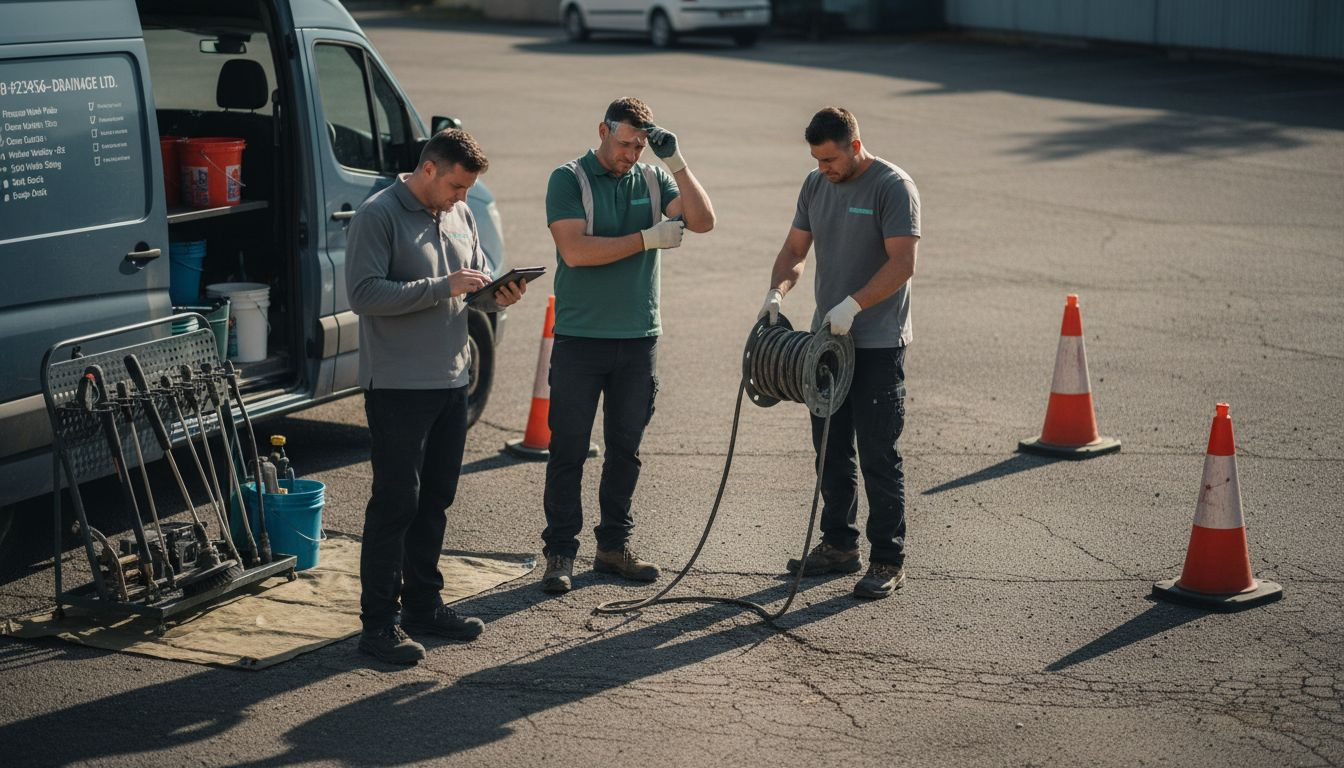
To clarify team responsibilities, here's a summary of typical exterior cleaning roles and their main tasks:
| Role | Primary Duties | Key Skills Required |
|---|---|---|
| Team Lead | Project supervision and safety | Leadership, risk management |
| Equipment Specialist | Operate high-tech cleaning tools | Technical expertise, precision |
| Surface Technician | Clean specific areas | Attention to detail, flexibility |
| Safety Coordinator | Monitor procedures and hazards | Safety training, vigilance |
- Team lead: Oversees project coordination and safety protocols
- Equipment specialists: Manage and operate technical cleaning equipment
- Surface technicians: Handle specific cleaning tasks for different building areas
- Safety coordinator: Monitors team safety and equipment usage
Effective team organization and proper equipment preparation are critical to successful exterior cleaning operations.
Pro tip: Create digital task checklists and use communication apps to streamline team coordination and track real-time cleaning progress.
Step 3: Perform Pressure Washing and Surface Treatments
Executing a professional exterior cleaning requires precision, technical skill, and systematic approach to pressure washing and surface treatments. Multifamily exterior cleaning services demand careful technique to prevent surface damage while achieving optimal results.
Pressure washing techniques require strategic implementation across different surface types:
- Concrete surfaces: Use moderate pressure and wide-angle nozzles
- Brick walls: Apply lower pressure with specialized cleaning solutions
- Painted surfaces: Employ gentle techniques to prevent paint stripping
- Metal fixtures: Use appropriate cleaning agents to prevent corrosion
When performing surface treatments, follow these critical steps:
- Select appropriate cleaning solution based on surface material
- Test cleaning agents on small, inconspicuous areas first
- Adjust pressure washer settings for each specific surface type
- Maintain consistent distance between nozzle and surface
- Overlap cleaning paths to ensure complete coverage
Proper pressure washing technique prevents surface damage and ensures thorough cleaning effectiveness.
Pro tip: Invest in multiple nozzle types and practice on sample surfaces to master pressure washing techniques before starting large-scale property cleaning projects.
Step 4: Inspect Results and Address Areas Needing Attention
The final phase of exterior cleaning requires meticulous review to ensure comprehensive and high-quality results. Property maintenance inspections are critical for identifying potential issues and maintaining long-term building appearance and structural integrity.
During the comprehensive inspection, focus on these key evaluation areas:
- Surface completeness: Check for missed spots or uneven cleaning
- Potential damage: Identify any cleaning-related surface imperfections
- Material condition: Assess overall surface health after cleaning
- Safety considerations: Look for slip hazards or structural concerns
Detailed inspection steps include:
- Document current cleaning results with clear photographs
- Compare pre-cleaning assessment with current condition
- Mark areas requiring additional treatment
- Evaluate cleaning solution effectiveness
- Note any unexpected surface reactions
Thorough post-cleaning inspection prevents future maintenance complications and ensures high-quality results.
Pro tip: Create a standardized digital inspection checklist with photo documentation to track and compare cleaning results across multiple property locations.
Step 5: Document Completion and Communicate with Tenants
The final stage of exterior cleaning involves comprehensive documentation and transparent communication with property residents. Digital cleaning documentation enables property managers to create professional, transparent records of completed maintenance activities.
Key documentation elements for effective tenant communication include:
- Cleaning date and time: Specify exact service completion
- Areas cleaned: List all surfaces and locations treated
- Cleaning methods: Describe techniques and equipment used
- Additional observations: Note any identified maintenance needs
- Follow-up recommendations: Highlight potential future actions
Communication strategies with tenants should focus on:
- Send detailed cleaning report via email or resident portal
- Provide visual evidence with before-and-after photographs
- Explain potential disruptions during cleaning process
- Highlight property improvements resulting from cleaning
- Invite tenant feedback on cleaning performance
Transparent communication builds trust and demonstrates professional property management commitment.
Pro tip: Develop a standardized digital communication template that can be quickly customized for each cleaning event to streamline tenant notifications.
Elevate Your Seasonal Exterior Cleaning with Expert Pressure Washing Solutions
Managing a seasonal exterior cleaning checklist for multi-family properties can challenge even the most experienced property managers. From assessing surface wear and scheduling dynamic cleanings to ensuring thorough inspections and transparent tenant communication, every step demands precision and reliable execution. The risk of missed spots or improper treatment can lead to costly damage and dissatisfied tenants.
At Monster Property Partners, we specialize in commercial pressure washing services tailored specifically for apartment buildings and multi-family units. Our expert team understands the importance of strategic planning and flawless coordination highlighted in your cleaning checklist. We focus on consistent, high-quality service delivery that safeguards your property’s appeal and structural integrity.
Experience benefits such as:
- Expert assessment and tailored cleaning schedules
- Skilled operation of pressure washing equipment to protect delicate surfaces
- Transparent reporting that builds tenant trust
Take the next step in transforming your exterior cleaning program by partnering with a leader committed to reliable operations and effective communication. Discover how our comprehensive exterior cleaning services can support your property maintenance goals today.
Explore our tailored solutions to see how we can help streamline your seasonal cleaning checklist.
Learn more about our expert services and start protecting your investment with confidence.
Looking for professional assistance on your next exterior cleaning project Contact Monster Property Partners now to ensure your property shines all year round.

Frequently Asked Questions
What should I assess during the property exterior inspection?
A thorough exterior inspection should include evaluating building facades for dirt and stains, inspecting parking areas for oil and debris, reviewing walkways for slip hazards, and checking landscaping interfaces for vegetation contact with the buildings. Conduct the inspection at least once per season to ensure timely repairs and cleaning.
How often should I schedule exterior cleaning for my property?
Based on environmental conditions, urban properties may require cleaning every 1-2 months, while rural properties can be cleaned every 6-12 months. Create a cleaning schedule that adapts to the specific risks and the condition of your property.
What equipment do I need for exterior cleaning tasks?
Essential equipment includes pressure washers for deep cleaning, safety gear like gloves and goggles, specialized cleaning solutions, ladders for high access, and protective coverings for sensitive areas. Gather all necessary equipment before your cleaning day to ensure a smooth process.
How do I ensure my cleaning team is effective?
Assign specific roles such as team lead, equipment specialist, and surface technician, ensuring clear communication throughout the cleaning process. Schedule a pre-cleaning briefing to clarify responsibilities and safety protocols for your team.
What steps should I follow during a pressure washing project?
Start by selecting the appropriate cleaning solution and testing it on a small area. Adjust pressure washer settings based on the surface type, maintain a consistent distance from the surface, and overlap washing paths to cover missed spots effectively.
How can I document and communicate cleaning results to tenants?
Create a detailed cleaning report that includes the date, areas cleaned, methods used, and any additional observations. Send this report, along with before-and-after photos, to your tenants to keep them informed and build trust.
Recommended
- Monster Property Partners | Multifamily Exterior Cleaning Orlando FL
- Monster Property Partners | Multifamily Exterior Cleaning Orlando FL
- Portfolio Partnership | Monster Property Partners
- 7 Essential Window Cleaning Tips for Rental Properties
- Real Estate Cleaning Best Practices for Agents – Majic Maids Cleaning Services