
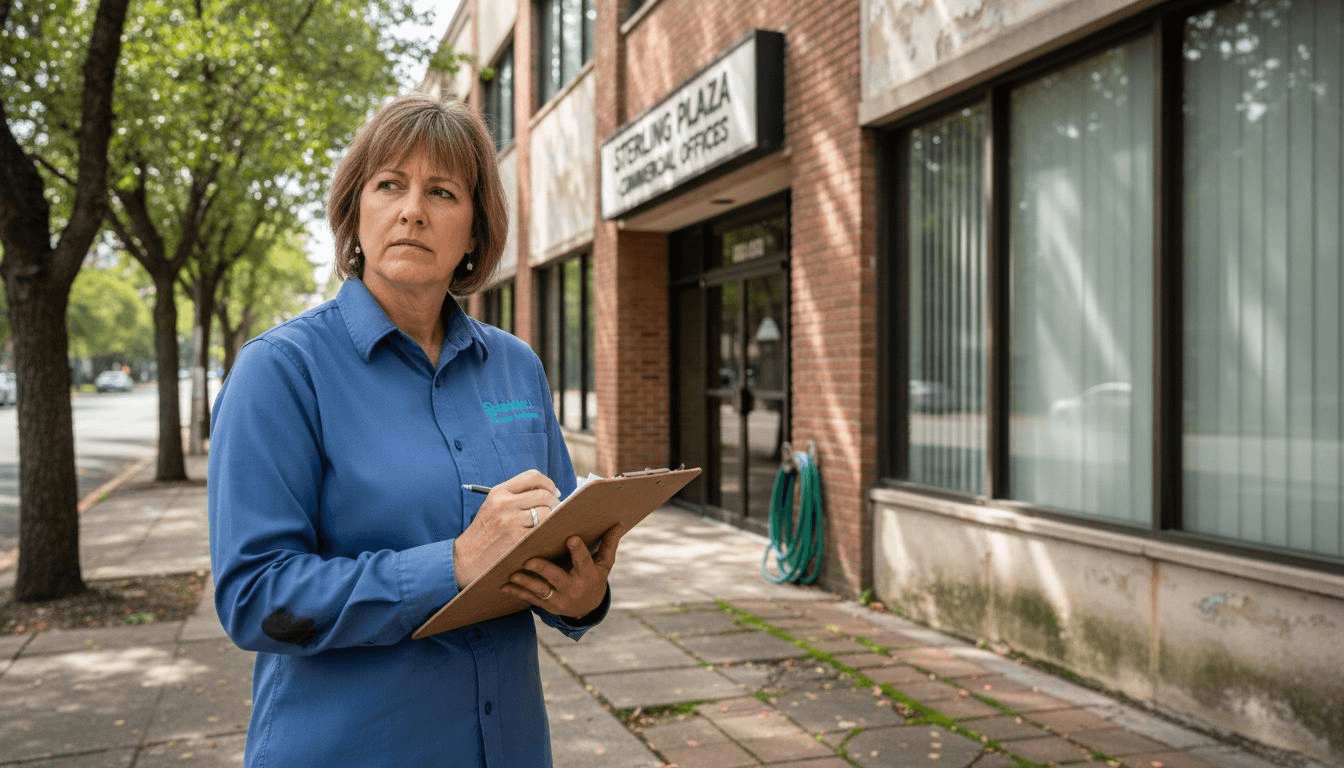
Keeping your property's exterior clean can feel overwhelming with so many surfaces to manage. Dirt, biological growth, and environmental pollutants cause long-term damage if left untreated, leading to costly repairs and diminished visual appeal. If you want to protect your investment and maintain your property's value, you need proven cleaning strategies for every type of surface.
This list breaks down practical exterior maintenance methods that actually make a difference. You will discover cleaning techniques that extend lifespan, prevent structural damage, and enhance aesthetic quality—without risking harm to delicate materials. From pressure washing facades to soft washing historic details, each insight is backed by research and real-world results.
Get ready to learn the specific approaches that property managers use to tackle everything from roofs and gutters to windows and sidewalks. Each method offers actionable steps and expert recommendations, helping you achieve lasting results for your building’s exterior.
Table of Contents
- Pressure Washing for Building Facades
- Soft Washing for Delicate Surfaces
- Roof Cleaning to Prevent Damage
- Gutter Cleaning for Proper Drainage
- Window Cleaning for Lasting Impressions
- Concrete and Sidewalk Cleaning
- Awning and Canopy Cleaning Essentials
Quick Summary
| Key Message | Explanation |
|---|---|
| 1. Hire Professionals for Pressure Washing | Experienced professionals ensure proper techniques that prevent damage to building surfaces and extend lifespan by up to 15 years. |
| 2. Use Soft Washing for Delicate Surfaces | Soft washing uses low-pressure streams and eco-friendly chemicals to safely clean fragile surfaces without risking damage. |
| 3. Regular Roof Cleaning Prevents Serious Damage | Routine roof cleaning can prevent structural damage and extend roofing lifespan by up to 50%, saving on costly repairs. |
| 4. Schedule Gutter Cleaning Biannually | Cleaning gutters at least twice a year prevents water-related damage, protecting foundations and reducing repair costs significantly. |
| 5. Maintain Clean Windows for Curb Appeal | Regular professional window cleaning enhances property aesthetics and can increase perceived property value by up to 10%. |
1. Pressure Washing for Building Facades
Pressure washing represents a critical exterior maintenance technique for property managers seeking to preserve and restore building facades. This powerful cleaning method uses high-pressure water streams to remove dirt, grime, mold, and environmental contaminants that can degrade building surfaces over time.
Building facade maintenance involves strategic cleaning approaches that protect architectural integrity while enhancing visual appeal. Long-term facade performance studies reveal several key considerations for effective pressure washing:
- Removes accumulated environmental pollutants
- Prevents premature surface degradation
- Restores original building aesthetics
- Identifies potential maintenance issues during cleaning
The technique requires careful calibration of water pressure to match specific building materials. Different surfaces demand unique approaches:
- Concrete facades require higher pressure settings
- Delicate surfaces like stucco need gentler techniques
- Historic buildings demand specialized low-pressure methods
Proper pressure washing can extend a building's exterior lifespan by up to 15 years when performed professionally.
Property managers should prioritize hiring experienced professionals who understand material-specific cleaning requirements. Incorrect pressure washing techniques can cause permanent surface damage including:
- Etching concrete surfaces
- Stripping protective paint layers
- Creating moisture penetration points
- Damaging underlying building materials
Professional assessment is crucial before initiating any pressure washing project. Comprehensive surface evaluation helps determine the appropriate cleaning strategy and prevents potential structural complications.
Pro tip: Schedule professional facade pressure washing annually and immediately after significant environmental events like heavy storms or prolonged pollution exposure.
2. Soft Washing for Delicate Surfaces
Soft washing represents a specialized exterior cleaning technique designed specifically for fragile building surfaces that cannot withstand high-pressure washing methods. This gentle cleaning approach uses low-pressure water streams combined with environmentally friendly chemical solutions to remove dirt, algae, and biological contaminants without causing surface damage.
Property managers dealing with historic, decorative, or sensitive building materials require innovative surface cleaning techniques that preserve architectural integrity. Soft washing provides a critical solution for maintaining delicate exterior surfaces.
Key advantages of soft washing include:
- Prevents surface erosion and damage
- Eliminates biological growth safely
- Preserves original surface texture
- Uses minimal water pressure
- Provides long-lasting cleaning results
Surface Compatibility is crucial when selecting cleaning methods. Soft washing works exceptionally well on:
- Historic brick buildings
- Stucco exteriors
- Wooden siding
- Decorative architectural elements
- Surfaces with intricate designs
Soft washing can extend a building's aesthetic lifespan by removing harmful contaminants without mechanical abrasion.
The chemical solutions used in soft washing typically include biodegradable cleaning agents specifically formulated to break down organic materials. Targeted cleaning approaches allow property managers to address specific surface challenges without risking structural integrity.
Pro tip: Always conduct a small test area before applying soft washing techniques to ensure compatibility and prevent potential surface discoloration or unexpected reactions.
3. Roof Cleaning to Prevent Damage
Roof cleaning represents a critical maintenance strategy for property managers seeking to protect their building's most vulnerable overhead structure. Neglecting roof maintenance can lead to accelerated deterioration, water damage, and costly emergency repairs.
Property managers must understand that regular roof cleaning prevents structural damage by addressing potential issues before they become catastrophic. Strategic cleaning removes harmful biological growth and prevents long-term material degradation.
Common roof threats include:
- Moss and algae accumulation
- Debris buildup from surrounding trees
- Potential water retention zones
- Hidden structural weak points
- Potential insulation compromise
Cleaning Approach Variations depend on specific roof materials:
- Asphalt shingle roofs require gentle chemical treatments
- Metal roofs need specialized low-pressure washing
- Tile roofs demand careful chemical application
- Wood shake roofs need specialized antimicrobial solutions
Proactive roof maintenance can extend a building's roofing system lifespan by up to 50%.
Surface Protection Techniques involve selecting appropriate cleaning methods that remove contaminants without causing additional damage. Property managers should prioritize environmentally friendly cleaning solutions that effectively eliminate biological growth while preserving roof material integrity.
Critical factors in roof cleaning include understanding material sensitivity, selecting appropriate cleaning agents, and using professional-grade equipment that prevents structural compromise.
Pro tip: Schedule professional roof inspections and cleaning annually and immediately after severe weather events to catch potential issues before they escalate into expensive repairs.
4. Gutter Cleaning for Proper Drainage
Gutter cleaning represents a critical maintenance task that protects buildings from water damage and structural deterioration. Neglected gutters can lead to significant property damage costing thousands of dollars in repairs.
Property managers must understand critical storm drain maintenance practices to prevent water-related infrastructure problems. Effective gutter maintenance goes beyond simple debris removal.
Potential risks of poor gutter maintenance include:
- Foundation water damage
- Landscape erosion
- Basement flooding
- Roof structure compromise
- Potential mold growth
Drainage System Components require systematic cleaning:
- Clear gutter channels completely
- Inspect downspout connections
- Check for potential water flow blockages
- Remove organic debris thoroughly
- Verify proper water redirection
Regular gutter maintenance can prevent up to 85% of potential water-related building damage.
Water Management Strategies involve understanding how gutters protect your entire building infrastructure. Gutters are not just simple drainage channels but critical water redirection systems that protect foundations landscaping and structural integrity.
Property managers should develop comprehensive cleaning schedules that account for local environmental conditions seasonal debris accumulation and specific building characteristics.
Pro tip: Schedule professional gutter cleaning at least twice annually with additional inspections after major storm events to prevent unexpected water damage.
5. Window Cleaning for Lasting Impressions
Window cleaning represents a critical aesthetic and functional maintenance strategy for property managers seeking to create positive first impressions. Clean windows communicate professionalism transparency and attention to detail for multi-family properties.
Property managers can leverage architectural cleanliness perception research to understand how window appearance impacts overall property perception. Professional window cleaning transforms building exteriors and interior environments.
Key benefits of strategic window cleaning include:
- Enhanced natural light penetration
- Improved building aesthetic appeal
- Prevention of glass degradation
- Identification of potential window damage
- Extended glass surface longevity
Cleaning Method Considerations involve understanding different window types:
- Commercial storefront windows require different techniques
- Residential building windows need gentler approaches
- High-rise windows demand specialized equipment
- Historic building windows require delicate handling
- Tinted windows need specific cleaning solutions
Regular professional window cleaning can increase perceived property value by up to 10%.
Surface Maintenance Techniques focus on selecting appropriate cleaning solutions and tools that protect glass integrity while removing environmental contaminants. Property managers should prioritize techniques that prevent scratching minimize water spots and ensure streak-free results.
Comprehensive window cleaning involves more than simple surface wiping. It requires understanding glass composition environmental factors and appropriate cleaning chemistry.
Pro tip: Schedule professional window cleaning quarterly and immediately after construction projects or severe weather events to maintain optimal visual appearance and prevent long-term glass surface damage.
6. Concrete and Sidewalk Cleaning
Concrete and sidewalk cleaning represent critical maintenance strategies that protect property infrastructure and create safe pedestrian environments. Property managers must understand specialized techniques that preserve surface integrity while removing environmental contaminants.
Comprehensive infrastructure maintenance research highlights the importance of strategic cleaning approaches for extending sidewalk lifespan and ensuring tenant safety. Systematic cleaning prevents long-term degradation and potential liability issues.
Key challenges in concrete maintenance include:
- Preventing surface erosion
- Removing oil and grease stains
- Eliminating biological growth
- Reducing slip hazards
- Maintaining aesthetic appearance
Cleaning Method Variations depend on specific surface conditions:
- Pressure washing for heavy-duty concrete surfaces
- Chemical treatments for stubborn stains
- Gentle cleaning for decorative concrete
- Specialized techniques for historic walkways
- Environmentally friendly cleaning solutions
Regular concrete maintenance can extend sidewalk life by up to 50% and reduce long-term repair costs.
Surface Protection Strategies involve understanding concrete porosity chemical interactions and environmental exposure. Property managers should prioritize cleaning methods that remove contaminants without compromising surface structural integrity.
Different concrete surfaces require nuanced approaches that balance effective cleaning with material preservation. Understanding these variations helps prevent premature surface degradation.
Pro tip: Schedule professional concrete cleaning annually and implement immediate spot treatments after oil spills or significant staining events to prevent permanent surface damage.
7. Awning and Canopy Cleaning Essentials
Awning and canopy cleaning represents a critical maintenance strategy for preserving architectural features and enhancing property aesthetic appeal. These exterior elements serve both functional and decorative purposes while requiring specialized cleaning approaches.
Property managers can leverage cleaning and maintenance best practices to protect these important architectural elements from environmental degradation. Strategic cleaning prevents material breakdown and maintains visual attractiveness.
Key considerations for awning and canopy maintenance include:
- Preventing fabric material deterioration
- Removing environmental pollutants
- Addressing potential mold and mildew growth
- Maintaining original color and texture
- Extending architectural feature lifespan
Cleaning Technique Variations depend on specific material types:
- Canvas awnings require gentle chemical treatments
- Metal canopies need specialized pressure washing
- Fabric structures demand careful spot cleaning
- Synthetic material awnings need specific detergents
- Historic architectural elements require delicate approaches
Professional awning cleaning can extend architectural feature lifespan by up to 75%.
Surface Protection Strategies involve understanding material composition environmental exposure and appropriate cleaning chemistry. Property managers should prioritize techniques that remove contaminants without compromising structural integrity or aesthetic quality.
Different awning materials demand nuanced cleaning approaches that balance thorough cleaning with material preservation. Understanding these variations helps prevent premature degradation.
Pro tip: Schedule professional awning and canopy cleaning biannually and immediately address any visible staining or biological growth to prevent permanent material damage.
Below is a comprehensive table summarizing the various building maintenance strategies discussed throughout the article.
| Maintenance Category | Techniques | Considerations | Benefits |
|---|---|---|---|
| Pressure Washing | High-pressure cleaning to remove contaminants | Surface-specific calibration to ensure material integrity | Extends facade lifespan, restores aesthetics |
| Soft Washing | Low-pressure water with biodegradable chemicals | Suitable for delicate and historical surfaces | Prevents material erosion, eliminates biological growth |
| Roof Cleaning | Gentle chemical treatments and targeted debris removal | Material sensitivity and environmental factors | Prevents structural damage and extends roof lifespan |
| Gutter Cleaning | Thorough cleaning and inspection of drainage systems | Regular scheduling and post-storm checks | Protects building infrastructure from water damage |
| Window Cleaning | Professional streak-free cleaning techniques | Consider glass types and specialized materials | Enhances visual appeal and property value |
| Concrete and Sidewalk Cleaning | Pressure washing and chemical treatments | Address stains, erosion, and environmental exposure | Maintains safety and preserves infrastructure |
| Awning and Canopy Cleaning | Gentle chemical or pressure washing techniques | Tailor methods to material types, address mold | Prolongs feature lifespan, enhances aesthetic appearance |
Elevate Your Property's Exterior Cleaning with Trusted Experts
Every property manager understands the challenge of maintaining diverse surfaces like building facades, roofs, gutters, and windows without risking damage or costly repairs. This article highlights critical cleaning methods such as pressure washing, soft washing, and strategic roof and gutter maintenance that play a vital role in preserving your property's value and curb appeal. Managing these tasks requires precision, experience, and a clear understanding of material-specific needs.
At Monster Property Partners, we specialize in delivering comprehensive commercial exterior cleaning solutions tailored specifically for apartment buildings and multi-family units. Our team ensures safe, effective, and efficient cleaning that protects your investments and extends the lifespan of your building's surfaces. From gentle soft washing of delicate facades to thorough gutter cleaning, we adhere to proven strategies to safeguard your property against environmental damage and help you avoid unexpected expenses.

Take control of your building’s maintenance with confidence. Visit Monster Property Partners today to explore how our expert team can customize exterior cleaning plans that meet your property's unique demands. Don’t wait for damage to appear – schedule a consultation now and keep your investment looking its best year-round. Learn more about the importance of pressure washing and roof cleaning to protect your property’s structural integrity and aesthetic appeal.
Frequently Asked Questions
What types of surfaces can be pressure washed?
Pressure washing is effective for various surfaces, including concrete, brick, and stucco. Assess your building's materials to determine the correct pressure level and technique needed for effective cleaning.
How can property managers determine the right cleaning method for delicate surfaces?
Property managers should consider using soft washing for delicate surfaces like historic brick and wooden siding. Always conduct a small test area before applying cleaning techniques to ensure compatibility and prevent surface damage.
What are the key benefits of regular roof cleaning for property management?
Regular roof cleaning helps prevent moss and algae buildup, which can lead to costly repairs. Schedule annual roof inspections and cleaning, especially after severe weather, to extend the roof's lifespan by up to 50%.
How often should gutters be cleaned to prevent water damage?
Gutters should be cleaned at least twice a year, with additional inspections following severe storms. This proactive measure can prevent up to 85% of potential water-related damage to the property.
Why is window cleaning important for multi-family properties?
Regular window cleaning enhances natural light and improves the property's aesthetic appeal, positively impacting perceived value. Aim to schedule professional cleaning quarterly to maintain an inviting appearance and prevent long-term glass damage.
What should property managers consider when cleaning concrete and sidewalks?
Property managers should choose cleaning methods based on the specific conditions of the concrete and sidewalks. Scheduling professional cleaning annually can extend sidewalk life by up to 50%, reducing future repair costs.