
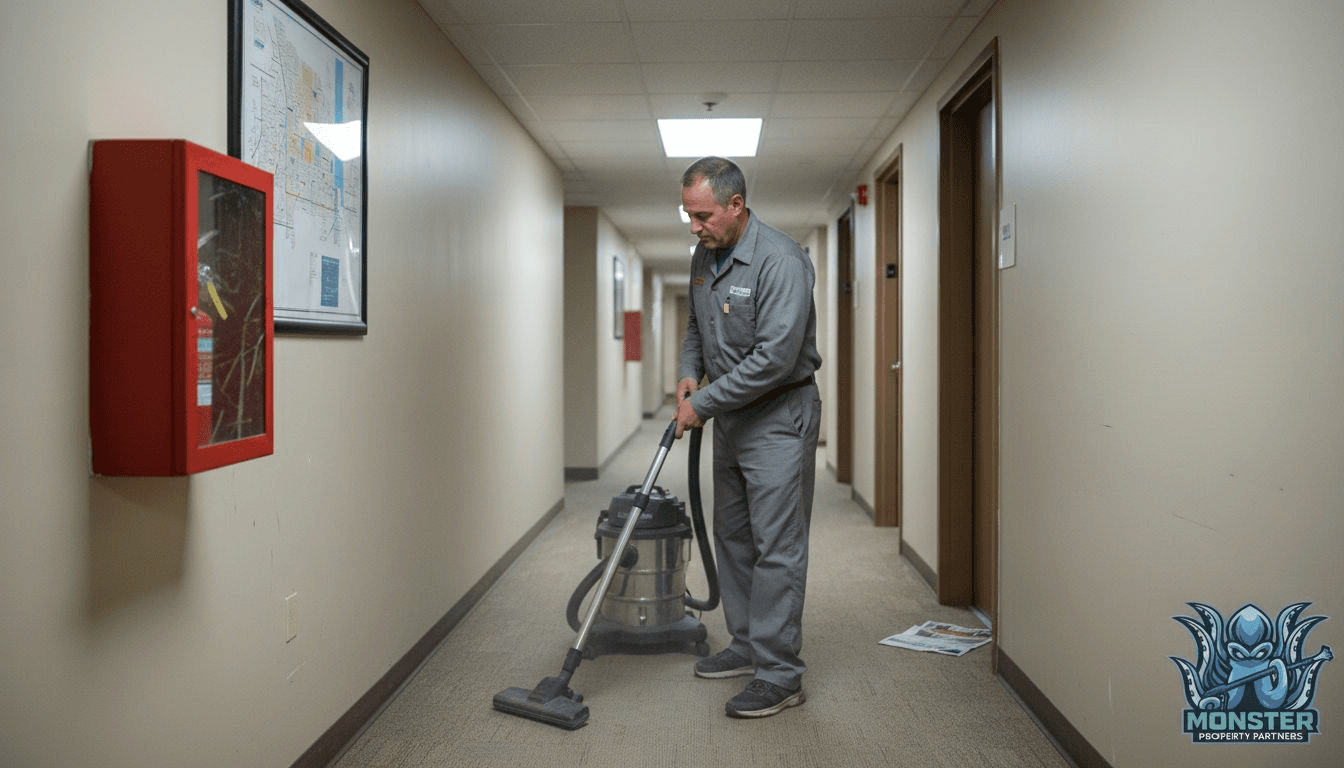
Why clean common areas boost tenant satisfaction & value
Research shows properties with consistently clean common areas experience 18% higher tenant retention compared to those with irregular cleaning schedules. Common areas in multi-family properties include lobbies, hallways, elevators, laundry rooms, and outdoor shared spaces where cleanliness directly impacts tenant perception, health, and overall property value. Understanding this connection helps property managers transform cleaning from a basic maintenance task into a strategic advantage that drives satisfaction and profitability.
Table of Contents
- Health And Safety Implications Of Dirty Common Areas
- How Clean Common Areas Boost Tenant Satisfaction And Retention
- Direct And Indirect Impacts On Property Value
- Common Misconceptions About Cleaning Common Areas
- Comparative Framework: Cleaning Frequencies And Methods For Multi-Family Properties
- Practical Implementation Guidance For Maintenance Teams
- Conclusion: Harnessing Cleanliness As A Strategic Asset
- Partner With Monster Property Partners For Expert Cleaning Services
- FAQ
Key takeaways
| Point | Details |
|---|---|
| Health and safety | Clean common areas reduce allergens, slip hazards, and pest infestations by up to 25%. |
| Tenant retention | Properties with monthly cleaning schedules see 18% higher retention rates and 40% fewer complaints. |
| Property value | Cleanliness enables rent premiums and raises asset valuation through improved marketability. |
| Strategic cleaning | Frequency and method selection directly impact outcomes; monthly beats quarterly cleaning significantly. |
Introduction: defining common areas and their impact
Common areas form the shared backbone of multi-family properties where tenants interact daily outside their individual units. These spaces include lobbies that create first impressions, hallways connecting units, elevators handling constant traffic, laundry rooms requiring hygiene focus, and outdoor areas like courtyards or walkways. Each zone presents unique cleaning challenges while collectively shaping how tenants perceive property management quality.
Tenants expect these shared spaces to mirror the cleanliness standards they maintain in their own units. When common areas meet or exceed these expectations, residents feel respected and valued by management. Conversely, neglected spaces signal poor oversight and can trigger lease non-renewals regardless of unit quality.
Property managers juggle competing priorities, but common area maintenance directly influences three critical metrics: tenant satisfaction scores, retention rates, and overall property appeal to prospective renters. Clean lobbies and hallways communicate operational excellence before potential tenants even view available units. This initial perception creates momentum that either supports or undermines leasing efforts.
Investing in exterior cleaning property maintenance extends beyond cosmetic improvements. Strategic cleaning programs address health risks, reduce liability exposure, and position properties competitively in crowded rental markets. Understanding multi-family exterior cleaning importance helps managers allocate resources effectively:
- Lobbies create immediate impressions affecting leasing success
- Hallways and elevators accumulate traffic residue requiring frequent attention
- Laundry rooms demand hygiene protocols to prevent cross-contamination
- Outdoor spaces influence curb appeal and neighborhood reputation
Health and safety implications of dirty common areas
Dirty common areas function as health hazard incubators affecting tenant wellbeing and property liability exposure. Accumulated dust, pollen, and mold spores in hallways and lobbies trigger allergic reactions and respiratory issues, particularly for vulnerable populations like children and elderly residents. These airborne irritants concentrate in enclosed spaces with poor cleaning protocols, creating chronic health problems that drive tenant complaints and turnover.
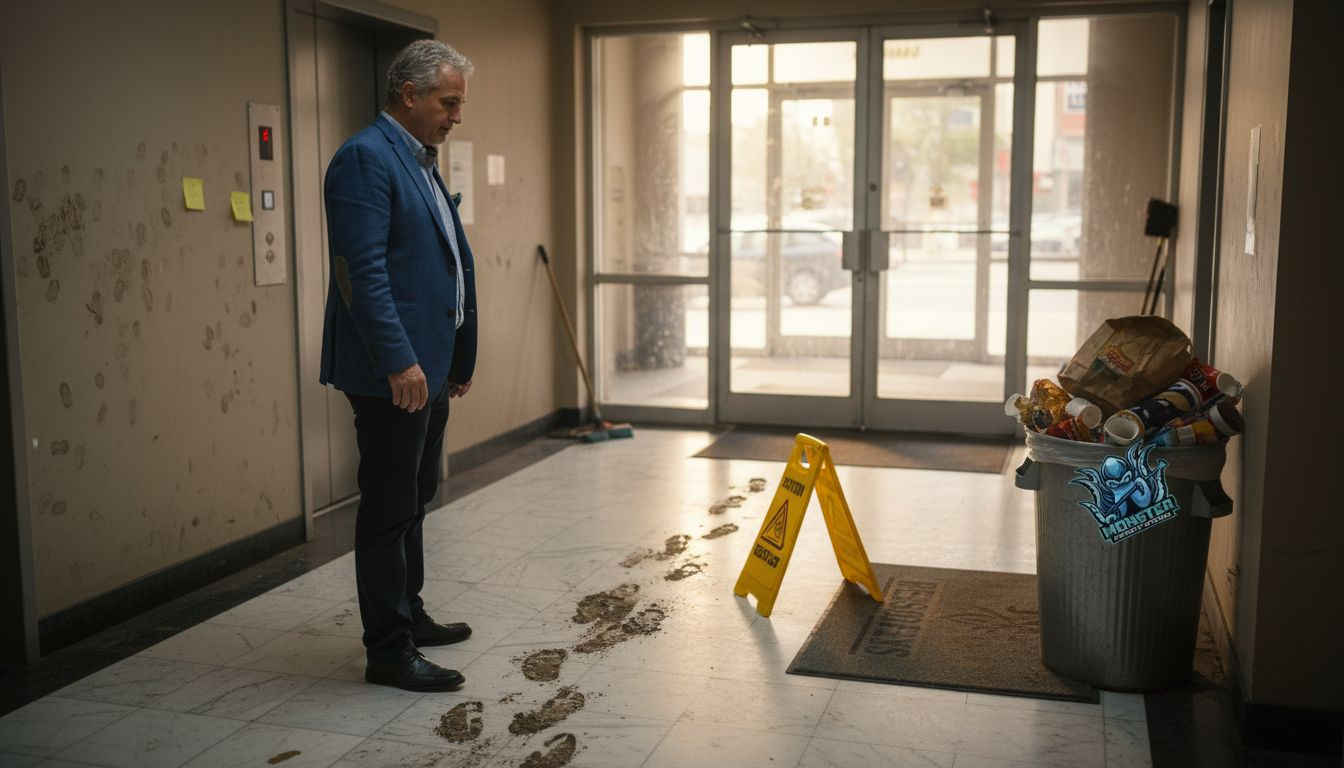
Slip and fall accidents represent another critical risk amplified by inadequate cleaning. Grime buildup on hard surfaces reduces traction, especially when moisture is introduced. Wet lobby floors during rainy weather become hazardous without proper cleaning and maintenance. Insurance claims from these incidents cost properties thousands in settlements while raising premium rates.
Pest infestations thrive in poorly maintained common areas where food debris and standing water provide ideal breeding conditions. Cockroaches, rodents, and other pests migrate from neglected laundry rooms or trash areas into individual units, generating health code violations and tenant distress. Once established, pest problems require expensive remediation and damage property reputation severely.
Cleaning significantly reduces health-related incidents by 25% according to property management research, demonstrating measurable risk reduction beyond aesthetic improvements. This data underscores the financial logic of preventive cleaning programs:
- Regular sanitization eliminates 70% of surface bacteria in high-touch areas
- Proper floor maintenance reduces slip and fall claims by 35%
- Scheduled pest prevention through cleanliness costs 80% less than infestation remediation
- Documented cleaning protocols strengthen legal defense in liability cases
"Properties that implement comprehensive cleaning schedules experience fewer tenant health complaints and demonstrate due diligence in maintaining safe living environments, which directly impacts insurance costs and legal exposure."
How clean common areas boost tenant satisfaction and retention
Tenant satisfaction correlates directly with perceived property management competence, and common area cleanliness serves as the most visible indicator of this competence. Residents pass through lobbies, hallways, and elevators daily, making these spaces constant touchpoints that either reinforce positive impressions or accumulate frustration. Clean, well-maintained common areas signal that management prioritizes tenant experience and property standards.
Properties implementing monthly cleaning schedules report 18% higher tenant retention compared to those cleaning quarterly or irregularly. This retention advantage translates directly to reduced turnover costs, which average $1,000 to $5,000 per unit when factoring vacancy periods, marketing expenses, and unit preparation. Retaining just two additional tenants per year through improved cleanliness can offset entire annual cleaning budgets.
Complaint reduction provides another measurable benefit, with frequent cleaning lowering tenant grievances by up to 40%. Fewer complaints reduce management workload while preventing negative online reviews that damage property reputation. In competitive rental markets, review scores influence prospective tenant decisions as heavily as pricing and amenities.
Smart property managers recognize that exterior cleaning property maintenance creates differentiation when unit features and pricing converge across competitors. Understanding multi-family exterior cleaning importance helps position cleanliness as a retention tool:
- Clean lobbies reduce tenant stress and create welcoming environments
- Sanitized elevators and hallways demonstrate health-conscious management
- Well-maintained outdoor areas encourage community interaction and satisfaction
- Consistent cleaning schedules build tenant trust in management reliability
Pro Tip: Survey tenants quarterly about common area cleanliness satisfaction and specific concerns. This feedback loop identifies problem areas before they trigger complaints while demonstrating responsive management that values tenant input.
Direct and indirect impacts on property value
Property valuation in multi-family real estate depends heavily on net operating income, which cleanliness influences through multiple channels. Clean properties command rent premiums of 5% to 8% in competitive markets where tenants willingly pay more for well-maintained environments. These premiums compound annually, significantly impacting cash flow and asset value over time.
Market appraisals factor in property condition and competitive positioning, with common area presentation heavily influencing appraiser assessments. Properties showing deferred maintenance or cleanliness issues receive lower valuations regardless of unit quality. Conversely, immaculate common areas suggest comprehensive property care that supports higher market valuations.
Liability risk reduction represents an indirect but substantial value impact. Properties with documented cleaning protocols and reduced health incidents qualify for lower insurance premiums while avoiding costly legal settlements. These savings flow directly to net operating income, improving property financial performance metrics that drive valuation.
Tenant retention rates influenced by cleanliness create valuation stability by reducing vacancy volatility. Properties maintaining 95% occupancy through superior common area maintenance demonstrate reliable income streams that attract investors and support premium pricing during sales:
- Rent premiums from cleanliness add $50,000 to $100,000 annually on 100-unit properties
- Reduced turnover costs preserve $2,000 to $10,000 per avoided vacancy
- Lower insurance premiums from safety records save $5,000 to $15,000 annually
- Enhanced appraisals increase sale prices by 3% to 7% in competitive transactions
Common misconceptions about cleaning common areas
Many property managers view cleaning as purely cosmetic, focusing on visible dirt while ignoring health and safety dimensions. This misconception leads to inadequate cleaning frequencies and methods that fail to address underlying risks. Research shows cleaning reduces health incidents by 25%, demonstrating substantial benefits beyond appearance improvements.
Frequency assumptions represent another critical error. Some managers believe quarterly deep cleaning matches monthly light cleaning effectiveness, but data contradicts this assumption. Monthly cleaning prevents grime accumulation and pest establishment, while quarterly cleaning allows problems to develop between interventions. The difference manifests in tenant complaint rates and health outcomes.
Green cleaning misconceptions create hesitation among managers worried about efficacy trade-offs. Modern green cleaning products achieve comparable or superior results to traditional chemicals while reducing tenant chemical exposure by up to 60%. These products protect children, elderly residents, and chemically sensitive individuals without sacrificing cleanliness standards.
Cost-benefit analysis errors lead managers to underinvest in cleaning programs. Short-term budget pressures obscure long-term savings from reduced turnover, lower liability claims, and enhanced property values. Properties spending an additional $500 monthly on comprehensive cleaning often save $5,000 to $10,000 annually through retention and risk reduction:
- Appearance-only cleaning misses 40% of health hazards requiring attention
- Quarterly schedules allow pest and mold problems to establish between cleanings
- Green products reduce respiratory complaints by 30% compared to harsh chemicals
- Comprehensive cleaning ROI reaches 400% to 800% through combined savings
"Effective common area cleaning addresses visible and invisible contaminants through appropriate frequency and methods. Properties treating cleaning as health infrastructure rather than cosmetic service achieve superior tenant outcomes and financial performance."
Pro Tip: Calculate your property's annual turnover costs and compare them to comprehensive monthly cleaning expenses. Most managers discover cleaning investments pay for themselves through retention improvements alone, before factoring liability reduction and value enhancement.
Comparative framework: cleaning frequencies and methods for multi-family properties
Selecting optimal cleaning approaches requires understanding trade-offs between frequency, methods, and outcomes. The following comparison helps property managers evaluate options against their specific tenant populations and budget constraints.
| Approach | Tenant Complaints | Health Risk Reduction | Cost Efficiency | Best For |
|---|---|---|---|---|
| Monthly cleaning | 40% fewer complaints | High allergen/pest control | Moderate upfront, high ROI | Standard multi-family properties |
| Quarterly cleaning | Baseline complaints | Limited between services | Low upfront, poor ROI | Budget-constrained properties |
| Pressure washing | 70%+ contaminant removal | Excellent for outdoor areas | High effectiveness per cost | Concrete, walkways, exteriors |
| Green cleaning | 30% fewer chemical complaints | 60% less exposure | Comparable to traditional | Health-conscious communities |
Monthly cleaning schedules deliver consistent tenant satisfaction by preventing accumulation cycles that trigger complaints and health issues. This frequency maintains baseline cleanliness standards that tenants expect, particularly in high-traffic areas like lobbies and elevators. The investment typically ranges from $0.15 to $0.30 per square foot monthly depending on service scope.
Quarterly cleaning creates gaps where problems develop between interventions. While initially budget-friendly, this approach generates higher long-term costs through increased complaints, turnover, and remediation needs. Properties using quarterly schedules often spend more addressing emergency cleaning and tenant issues than they save on regular service reductions.
Pressure washing excels at removing embedded contaminants from concrete, walkways, and building exteriors that standard cleaning cannot address. This method eliminates 70% or more of deep-set dirt, mold, and stains, dramatically improving appearance and safety. Combining pressure washing with regular cleaning creates comprehensive programs addressing both surface and deep cleaning needs.
Green cleaning products balance tenant health concerns with environmental responsibility while maintaining effectiveness. These solutions particularly benefit properties housing families with children, elderly populations, or residents with chemical sensitivities. Implementation requires minimal cost premium over traditional products while reducing health complaints substantially.
Effective programs often combine approaches based on area-specific needs. Implementing insights from a cleaning checklist multifamily 2026 helps structure comprehensive programs. Specialized services like common area concrete cleaning address high-impact zones requiring professional intervention:
- Indoor common areas benefit from monthly green cleaning protocols
- Outdoor concrete surfaces require quarterly pressure washing minimum
- High-touch surfaces need daily or weekly sanitization depending on traffic
- Specialized areas like laundry rooms demand weekly deep cleaning
Consult a multi-family cleaning guide for detailed implementation frameworks. Learning how to schedule regular exterior cleaning apartments ensures consistency across all property areas.
Practical implementation guidance for maintenance teams
Successful cleaning programs require systematic implementation addressing assessment, scheduling, method selection, and continuous improvement. Follow this framework to establish effective protocols that deliver measurable results.
-
Assess current common area conditions through detailed walkthroughs documenting problem areas, traffic patterns, and tenant feedback themes. Photograph conditions to establish baseline documentation supporting budget requests and tracking improvements over time.
-
Establish cleaning schedules matching area-specific needs rather than applying uniform approaches. High-traffic lobbies may require daily attention while storage areas need weekly service. Calendar all activities to ensure consistency and accountability.
-
Select methods balancing effectiveness, cost, and tenant health impacts. Prioritize green products for enclosed spaces and pressure washing for outdoor surfaces. Test products in small areas before full implementation to verify results and identify any issues.
-
Train staff or contractors on protocols ensuring consistent execution across all areas and shifts. Document procedures with checklists and photos showing expected standards. Regular training refreshers maintain quality as personnel change.
-
Implement feedback mechanisms capturing tenant input on cleaning effectiveness and satisfaction. Monthly surveys, suggestion boxes, and direct communication channels identify emerging issues before they escalate into formal complaints.
-
Monitor results through complaint tracking, health incident reports, and retention metrics. Compare pre-program and post-program data to quantify ROI and justify continued investment or program adjustments.
-
Adjust programs based on performance data and changing property needs. Seasonal variations, occupancy changes, and tenant demographic shifts may require protocol modifications to maintain effectiveness.
Review comprehensive guidance in this multi-family cleaning workflow guide for detailed operational frameworks. A property management cleaning checklist seven items provides actionable starting points for immediate implementation.
Pro Tip: Designate a point person responsible for cleaning program oversight and tenant communication. This accountability ensures consistent execution and creates a clear contact for residents with concerns or suggestions, improving response times and satisfaction.
Conclusion: harnessing cleanliness as a strategic asset
Clean common areas function as strategic assets generating measurable returns through tenant health protection, satisfaction enhancement, retention improvement, and property value appreciation. Properties investing in comprehensive cleaning programs realize 400% to 800% ROI through combined savings from reduced turnover, lower liability claims, rent premiums, and enhanced valuations.
The connection between cleanliness and business outcomes is clear and quantifiable. Properties maintaining monthly cleaning schedules experience 18% higher retention, 40% fewer complaints, and 25% fewer health incidents compared to those with irregular programs. These improvements directly impact bottom-line performance while creating competitive advantages in crowded rental markets.
Property managers should view cleaning investments as revenue protection and enhancement rather than pure operating expenses. The cost of comprehensive programs represents a fraction of single-unit turnover expenses while delivering benefits across entire properties. Smart allocation of cleaning budgets prevents far larger costs downstream.
Implementing structured cleaning programs requires initial effort but generates compounding benefits over time. Start with baseline assessments, establish appropriate frequencies for different areas, select methods matching tenant needs, and build feedback loops supporting continuous improvement. These steps transform common area maintenance from reactive tasks into proactive strategies driving property success.
Partner with Monster Property Partners for expert cleaning services
Implementing effective cleaning programs requires expertise and resources that many property management teams struggle to maintain in-house. Monster Property Partners specializes in multifamily exterior cleaning services designed specifically for apartment buildings and multi-family communities. Our team delivers consistent results that enhance tenant satisfaction while reducing your operational burden.
Our apartment building soft washing services remove contaminants without damaging surfaces, protecting your property investment while achieving superior cleanliness. We understand the unique challenges multi-family properties face and tailor programs to your specific needs, schedules, and budget parameters. Partnering with professionals allows your team to focus on core property management while ensuring common areas receive expert attention.
Discover how Monster Property Partners can elevate your property's cleanliness standards and tenant satisfaction. Contact us today to discuss customized cleaning solutions that protect your investment and enhance resident experience.
FAQ
Why is frequent cleaning important for common areas?
Frequent cleaning prevents allergen accumulation, pest establishment, and grime buildup that trigger tenant complaints and health issues. Monthly schedules reduce complaints by 40% compared to quarterly cleaning while maintaining consistent standards tenants expect. Regular attention addresses both visible dirt and hidden health hazards before they escalate into serious problems.
How does cleaning common areas affect property value?
Clean common areas enable rent premiums of 5% to 8% while improving tenant retention rates that stabilize occupancy and income. Enhanced property presentation during appraisals supports higher valuations, and reduced liability exposure from health incidents lowers insurance costs. These combined factors increase net operating income and overall asset value substantially.
What are effective cleaning methods for multi-family common areas?
Pressure washing removes 70% or more of embedded contaminants from concrete and exterior surfaces that regular cleaning cannot address. Green cleaning products protect tenant health while reducing chemical exposure by 60% without sacrificing effectiveness. Combining monthly interior cleaning with quarterly exterior pressure washing creates comprehensive programs addressing all common area needs.
How can maintenance teams monitor cleaning effectiveness?
Track tenant complaint rates, health incident reports, and satisfaction survey scores to measure cleaning program impact quantitatively. Compare retention rates and turnover costs before and after program implementation to calculate ROI. Adjust cleaning frequencies and methods based on collected feedback and performance data to optimize results continuously.