
TL;DR:
- Effective maintenance programs that prioritize preventive schedules, safety checks, fast response times, and technology integration are essential for preserving property value, tenant satisfaction, and operational costs. Regular inspections, safety device testing, and clear communication protocols help prevent emergencies and reduce liability risks for multi-family landlords. Leveraging smart tools and adopting a long-term asset preservation mindset transform routine maintenance from a cost into a strategic investment.
Every landlord managing a multi-family property eventually faces the same pressure: unexpected repair bills pile up, a tenant submits their notice after a slow maintenance response, and suddenly your returns look worse than projected. The three goals you're always balancing, keeping costs down, keeping tenants happy, and protecting long-term asset value, all depend on one thing: how well your maintenance program is designed before something goes wrong. This guide gives you a clear, actionable roadmap built around proven strategies, real response-time benchmarks, and practical tools to keep your building running at its best.
Table of Contents
- Set a quarterly preventive maintenance schedule
- Test smoke and CO detectors: safety first
- Respond fast: emergency, urgent, and routine repairs
- Streamline work orders and inspections with tech
- Zone-based and seasonal inspections
- Our perspective: the maintenance mindset most owners never develop
- How Monster Property Partners supports your property maintenance
- Frequently asked questions
Key Takeaways
| Point | Details |
|---|---|
| Quarterly maintenance protects investments | Regular checks on HVAC, plumbing, electrical, and safety systems avert expensive emergencies. |
| Prompt repair response secures tenants | Handling emergencies within 1 hour and routine issues inside 48 hours keeps residents satisfied and loyal. |
| Leverage tech for efficiency | Property management software and digital documentation save time and improve team coordination. |
| Safety checks are non-negotiable | Monthly smoke and CO detector tests ensure compliance and tenant well-being. |
| Tailor inspections for seasons | Zone-based inspections after winter highlight hidden risks before they escalate. |
Set a quarterly preventive maintenance schedule
To build a strong foundation for any maintenance program, the first step is a well-defined schedule targeting the most critical systems.
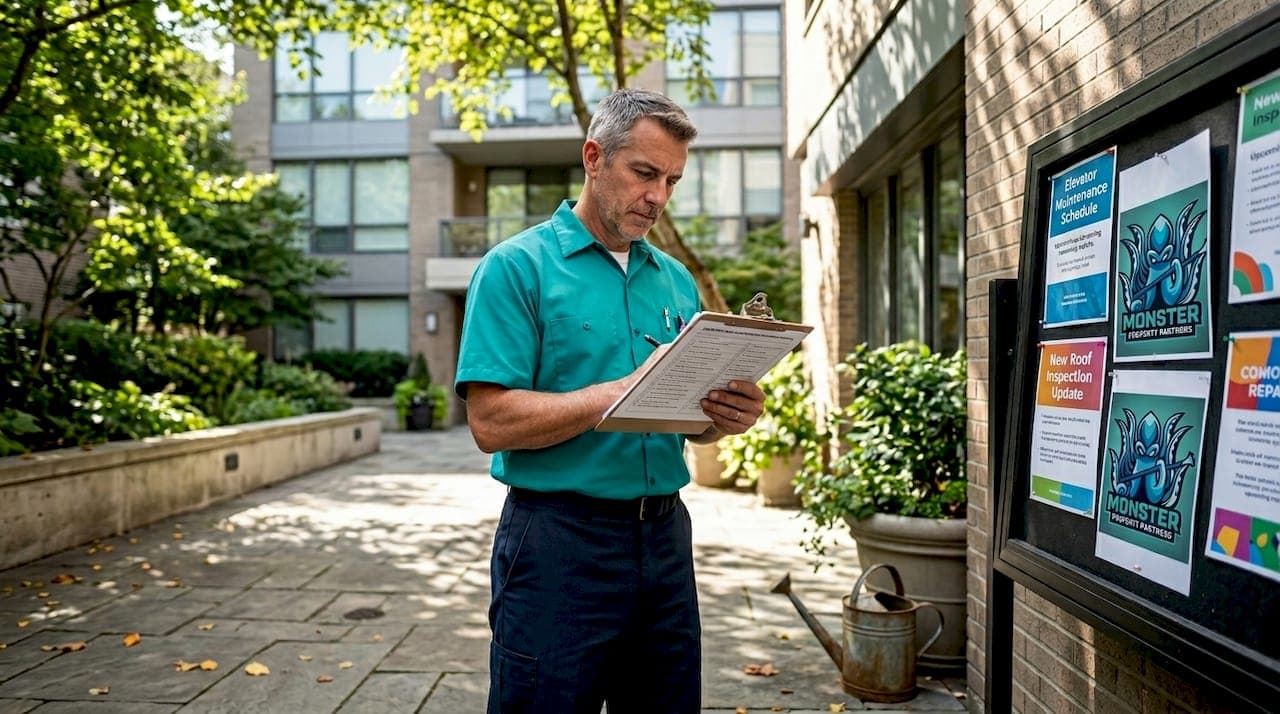
The single most impactful shift you can make as a property owner is moving from reactive to proactive maintenance. Most landlords fix things when they break. The best operators fix things before they break. According to research, preventive maintenance saves 3-4x on costs compared to reactive repairs, and properties with fast, organized maintenance responses see unit turnover drop by up to 12%.
The core of any preventive program is a quarterly schedule. Here is what a solid quarterly routine covers:
- HVAC filters and coils: Replace or clean filters every 90 days. Dirty coils can cut system efficiency by 20% or more.
- Plumbing drains and supply lines: Check for slow drains, visible corrosion, and any signs of water intrusion under sinks or at pipe joints.
- Electrical panels and outlets: Look for tripped breakers, signs of overheating, or flickering lights in common areas.
- Life-safety systems: Implement preventive maintenance quarterly for HVAC, plumbing, electrical, and safety systems to avoid costly emergencies.
- Exterior surfaces and drainage: Check gutters, downspouts, walkways, and any exterior cladding for wear or blockage.
Pro Tip: If your building is 20 years or older, add a 10% age buffer to your annual maintenance budget. Older infrastructure fails more frequently, and the inspection checklist should include two additional structural reviews per year focused on foundations, pipe insulation, and roofing materials.
Here is how preventive and reactive maintenance compare across the key metrics that matter to your bottom line:
| Factor | Preventive maintenance | Reactive maintenance |
|---|---|---|
| Average cost per repair | Lower (planned labor and parts) | 3-4x higher (emergency rates) |
| Tenant satisfaction | Higher (fewer disruptions) | Lower (unpredictable service) |
| Unit turnover impact | Reduces turnover by up to 12% | Increases vacancy risk |
| Safety compliance | Consistently documented | Gaps likely |
| Budget predictability | Predictable, plannable | Unpredictable spikes |
Building your schedule around these categories means fewer surprises. Pair your internal tracking with a strong exterior maintenance checklist so nothing visible from the street or parking lot gets missed. Exterior conditions directly affect curb appeal, tenant perceptions, and code compliance. Also review your maintenance tasks for multi-family properties at the start of each quarter to confirm the routine is complete.
Test smoke and CO detectors: safety first
While system maintenance prevents high-cost emergencies, safety checks are a non-negotiable routine all their own.
Smoke and carbon monoxide detectors are the last line of defense when everything else fails. Fire authorities and insurance carriers are increasingly auditing compliance, and a missed monthly test is the kind of gap that creates enormous liability for property owners. Industry standards are clear: test smoke and CO detectors monthly, replacing batteries annually, as recommended by fire safety authorities.
What does a proper safety device program look like in practice? Use these steps:
- Test all smoke detectors by pressing the test button on the first business day of each month.
- Test all carbon monoxide detectors on the same schedule. A non-functioning CO detector is invisible and odorless until it is too late.
- Replace all 9V or AA batteries every 12 months, regardless of the test result.
- Log every test with the unit number, date, technician name, and pass/fail result.
- Include detector status in your move-in and move-out checklists so each resident starts with verified, working devices.
- Replace entire detector units every 10 years for smoke and every 5 to 7 years for CO detectors, per most manufacturer guidelines.
Failing a fire safety audit because of a missed detector check is not just a code violation. It is the kind of incident that can void your insurance policy, trigger tenant lawsuits, and damage your reputation in ways that take years to repair.
Strong documentation is your best protection. Keep digital logs accessible for inspectors and insurance agents. Review fire protection tips specific to multi-tenant housing to make sure your program covers all device categories. For buildings with interconnected alarm systems, follow fire alarm maintenance tips that address panel testing, battery backup verification, and notification device checks.
Respond fast: emergency, urgent, and routine repairs
After regular checks and safety routines, how you respond to issues when they do arise can make all the difference.
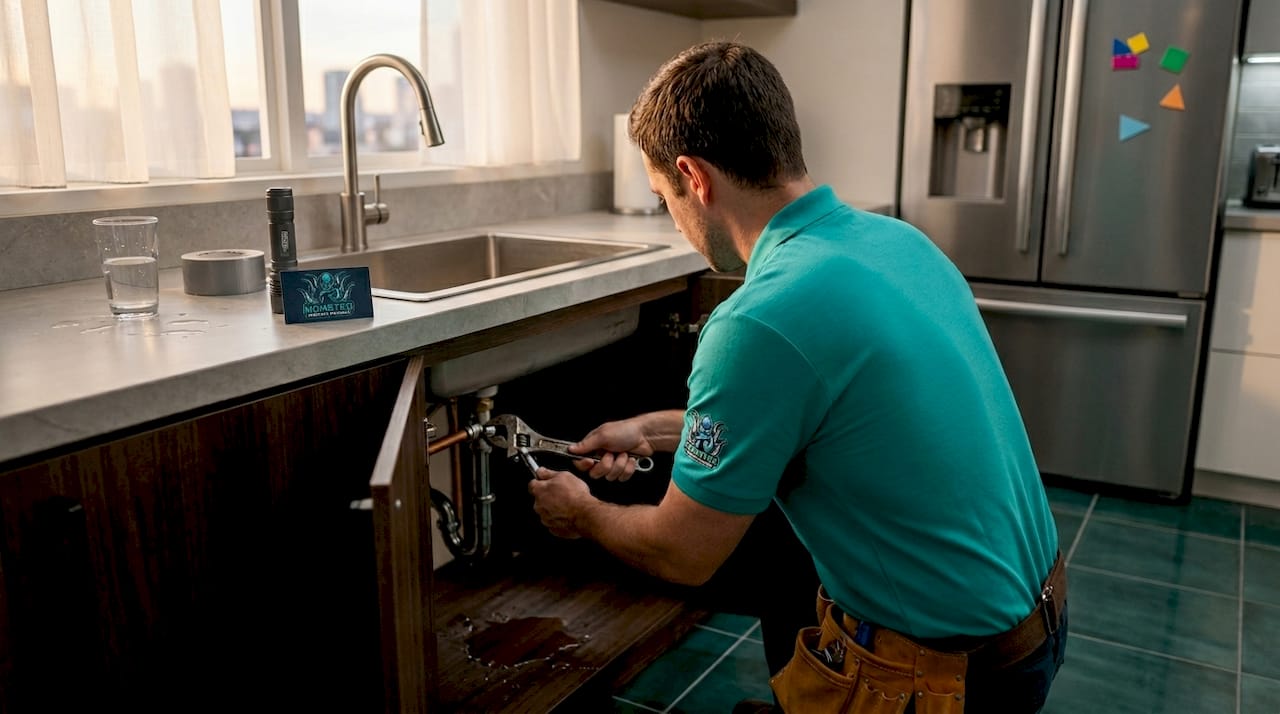
Speed of response is one of the top predictors of tenant renewal decisions. A tenant dealing with no heat in January does not care about your inspection schedule. They want action. Structuring your response protocol into three clear tiers protects your tenants and your reputation at the same time.
The standard benchmarks used by professional property managers are:
- Emergency repairs (within 1 hour): Gas leaks, flooding, no heat in freezing conditions, fire-related damage, electrical hazards. These situations require an immediate response every time, no exceptions.
- Urgent repairs (within 4 hours): No hot water, broken locks on entry doors, major plumbing backups, elevator failures in senior buildings. Delays here create real hardship and can escalate to legal complaints.
- Routine repairs (within 24 to 48 hours): Appliance issues, minor leaks, broken fixtures, cosmetic damage. Reasonable timelines still need to be communicated clearly to tenants.
Research confirms that response time benchmarks directly boost tenant retention when consistently applied.
| Repair type | Target response time | Example scenarios |
|---|---|---|
| Emergency | Within 1 hour | Gas leak, flooding, no heat in winter |
| Urgent | Within 4 hours | No hot water, broken entry lock |
| Routine | 24 to 48 hours | Appliance repair, minor plumbing drip |
Pro Tip: Use a shared communication channel (SMS or a tenant portal) to send acknowledgment messages the moment a work order is received. Tenants who get a response confirmation within 15 minutes of submitting a request report significantly higher satisfaction, even if the repair itself takes a full day. It costs nothing extra to acknowledge fast.
Modern AI-powered work order platforms can auto-triage requests, routing emergencies to on-call staff immediately while queuing routine items for the next business day. This removes human error from your dispatch process. If you are still tracking repairs in a spreadsheet or sticky notes, review your maintenance planning cost savings strategy to see how much efficiency you are leaving on the table.
Streamline work orders and inspections with tech
Consistency and clear processes set you up for efficiency, but the right tools can multiply your impact and save hours each week.
Property management software has moved well beyond basic rent collection. Today's platforms centralize work orders, track completion history, and connect your maintenance team with tenants in real time. The difference between manual and software-based management is substantial in terms of time, accuracy, and documentation quality.
Key capabilities to look for:
- Centralized work order tracking: All requests, assigned technicians, status updates, and completion notes in one place.
- Tenant portals: Residents submit requests, track progress, and receive updates without calling the office. This reduces interruptions to your team and improves perceived responsiveness.
- Scheduled maintenance reminders: Automated alerts for quarterly filter changes, annual inspections, and safety device checks so nothing falls through the cracks.
- Vendor management: Document contractor licenses, insurance certificates, and performance ratings in the same system.
- Photo and note documentation: Attach before-and-after photos directly to work orders to protect against disputes and support future inspections.
Property management software for work orders, scheduling, and tenant portals streamlines operations and tracks maintenance history in ways that manual systems simply cannot match.
One advanced tool gaining traction in multi-family operations is the digital twin, which is a visual, navigable model of your property created from photography or 3D scanning. Digital twins and visual documentation centralize data for teams, help predict where issues are likely to develop, and respect tenant privacy through permission-based access controls.
| Management method | Work order visibility | Tenant communication | Documentation quality | Time per task |
|---|---|---|---|---|
| Manual (paper/spreadsheet) | Low | Phone and email only | Inconsistent | High |
| Software-based | High | Portal, SMS, email | Consistent, timestamped | Low |
Check maintenance tracking efficiency resources to benchmark how your current process stacks up. For a practical starting point, review our guidance on efficient multifamily maintenance tips to see which tools and workflows translate best to buildings of different sizes.
Pro Tip: Before choosing a platform, ask vendors specifically about mobile app functionality for your maintenance staff. A technician completing repairs needs to update a work order on-site from a phone, not from a desktop computer in the office. Mobile-first usability is the difference between a system people actually use and one that gets bypassed after two weeks.
Zone-based and seasonal inspections
Once you have digitized your workflow, it is easier to organize inspections by strategic zones and add focused seasonal routines.
Generic building walkthroughs miss things. Zone-based inspection organizes your property into logical segments, each with its own checklist, priority items, and inspection frequency. This structure makes it impossible to accidentally skip a critical area, and it allows you to assign different technicians to different zones without creating confusion.
Core zones for multi-family properties:
- Entrances and lobbies: Check door closers, intercoms, lighting, flooring surfaces, and mailbox security. These are the first and last things tenants and prospective renters see.
- Basements and mechanical rooms: Inspect for moisture intrusion, pipe insulation condition, sump pump operation, and any rodent activity signs.
- Rooftop and attic spaces: Evaluate membrane integrity, drainage pathways, flashing condition, and any penetrations made for HVAC equipment.
- Common area hallways and stairwells: Focus on lighting, exit signage, handrail integrity, and floor surface condition.
- Parking lots and exterior perimeters: Look for pavement cracking, drainage pooling, lighting outages, and any vegetation growing against the building foundation.
Seasonal cycles add another layer of precision. Zone-based inspections post-winter targeting water entry points, collection areas, and high-movement zones are critical for preventing water damage after freeze-thaw cycles.
In seismic zones or properties serving senior residents, add specialized structural checks each cycle. Seismic buildings need annual caulking and expansion joint reviews. Senior housing properties need grip surface inspections on all walking paths and elevated fall-risk area assessments.
Integrate your zone inspections into the quarterly preventive schedule so nothing runs independently of the main program. Building a shared multifamily cleaning checklist alongside your inspection zones ensures exterior surfaces, common areas, and high-traffic entry points get cleaned on the same cycle as mechanical systems are serviced.
Pro Tip: After each seasonal inspection, generate a brief written summary for your records and share a simplified version with tenants if it affects common areas. Tenants who see that their building gets inspected regularly report feeling more confident in management, which directly reduces turnover.
Our perspective: the maintenance mindset most owners never develop
Most property owners think about maintenance as damage control. Something breaks, you fix it, you move on. After working across hundreds of multi-family properties, we see a different pattern in the buildings that consistently outperform on occupancy and net operating income.
The owners who build real long-term value treat maintenance as an asset preservation strategy, not a cost center. They budget for it like they budget for insurance: predictably, annually, and without waiting for a crisis to justify the spend. They document everything not because an auditor might ask, but because good records let you spot patterns. Three HVAC calls in building C every February? That is a refrigerant leak that has not been properly addressed. Six drain backups in the east wing over two years? That is a root intrusion problem waiting to become a $30,000 emergency.
The uncomfortable truth is that deferred maintenance is the single biggest destroyer of property value in multi-family real estate, and it is almost always a choice made in small increments. Skipping a quarterly filter check. Delaying a roof inspection by one season. These feel like minor shortcuts, but they compound fast. A building that loses curb appeal, has slow repair responses, and carries unresolved safety issues will see tenant quality decline, vacancy rise, and eventual capital expenditures that dwarf what prevention would have cost.
The mindset shift that matters is simple: your maintenance program is your tenant retention program. It is your insurance reduction strategy. It is your property value preservation plan. When you see it that way, every dollar spent on a quarterly inspection is not an expense. It is a return on investment that shows up in your NOI, your renewal rates, and the price you get if you ever decide to sell.
How Monster Property Partners supports your property maintenance
When your quarterly inspections, zone checklists, and seasonal routines are dialed in, the next question is always the same: who handles the exterior?
At Monster Property Partners, we specialize in commercial pressure washing services built specifically for apartment buildings and multi-family communities. Exterior surfaces like parking structures, building facades, dumpster areas, walkways, and common zones accumulate grime, mold, and environmental buildup that routine janitorial services cannot address. Our team manages large-scale exterior cleaning projects with reliable scheduling, detailed before-and-after documentation, and communication processes designed for busy property managers. If your exterior cleaning is not yet integrated into your preventive maintenance cycle, contact Monster Property Partners to see how we fit into your building's maintenance strategy.
Frequently asked questions
What is the most important maintenance task for apartment buildings?
Quarterly preventive maintenance for systems like HVAC, plumbing, and safety devices has the greatest impact on cost savings and tenant satisfaction. Consistent scheduling, as outlined in apartment maintenance guidance, prevents the expensive emergency repairs that drain operating budgets.
How often should smoke detectors be checked in apartments?
Smoke and carbon monoxide detectors should be tested monthly, with batteries replaced annually, following the standard recommended by fire safety authorities.
How quickly should emergency repairs be addressed?
Emergencies should be responded to within 1 hour, urgent repairs within 4 hours, and routine issues within 24 to 48 hours, according to industry response standards designed to protect tenant retention.
What tools make apartment maintenance easier?
Property management software streamlines work order tracking, inspection scheduling, and tenant communications, replacing manual systems with accurate, timestamped records.
Are seasonal inspections really necessary?
Zone-based inspections post-winter help catch and prevent costly water and structural damage specific to climate cycles, and spring thaw inspection routines are particularly valuable in northern climates where freeze-thaw cycles stress building envelopes and drainage systems.