
Keeping multifamily building exteriors clean and appealing is a constant challenge for property managers. Dirt, grime, and weather damage accumulate quickly, impacting tenant satisfaction and property value. Without a systematic approach, cleaning efforts often miss critical areas or waste time and resources. This guide provides a clear, step-by-step process to help you plan, execute, and maintain effective commercial exterior cleaning that protects your investment and keeps tenants happy.
Table of Contents
- Preparing For Commercial Exterior Cleaning
- Step-By-Step Execution Of Exterior Cleaning
- Troubleshooting Common Exterior Cleaning Challenges
- Verifying Results And Scheduling Ongoing Maintenance
- Professional Commercial Exterior Cleaning Services For Multifamily Properties
- How Often Should Commercial Exterior Cleaning Be Performed On Multifamily Buildings?
- What Are The Best Cleaning Methods For Different Exterior Surfaces On Commercial Buildings?
- How Can Property Managers Ensure Safety During Exterior Cleaning Operations?
Key takeaways
| Point | Details |
|---|---|
| Planning prevents problems | Thorough property assessment and preparation ensure cleaning success and avoid costly mistakes. |
| Follow systematic steps | A clear sequence from debris removal through final inspection delivers consistent, comprehensive results. |
| Right tools matter | Commercial-grade equipment and appropriate cleaning agents protect surfaces while maximizing effectiveness. |
| Regular maintenance pays off | Scheduled cleaning enhances curb appeal, tenant satisfaction, and long-term property value. |
| Professional help available | Expert services reduce your workload and deliver superior results for complex cleaning needs. |
Preparing for commercial exterior cleaning
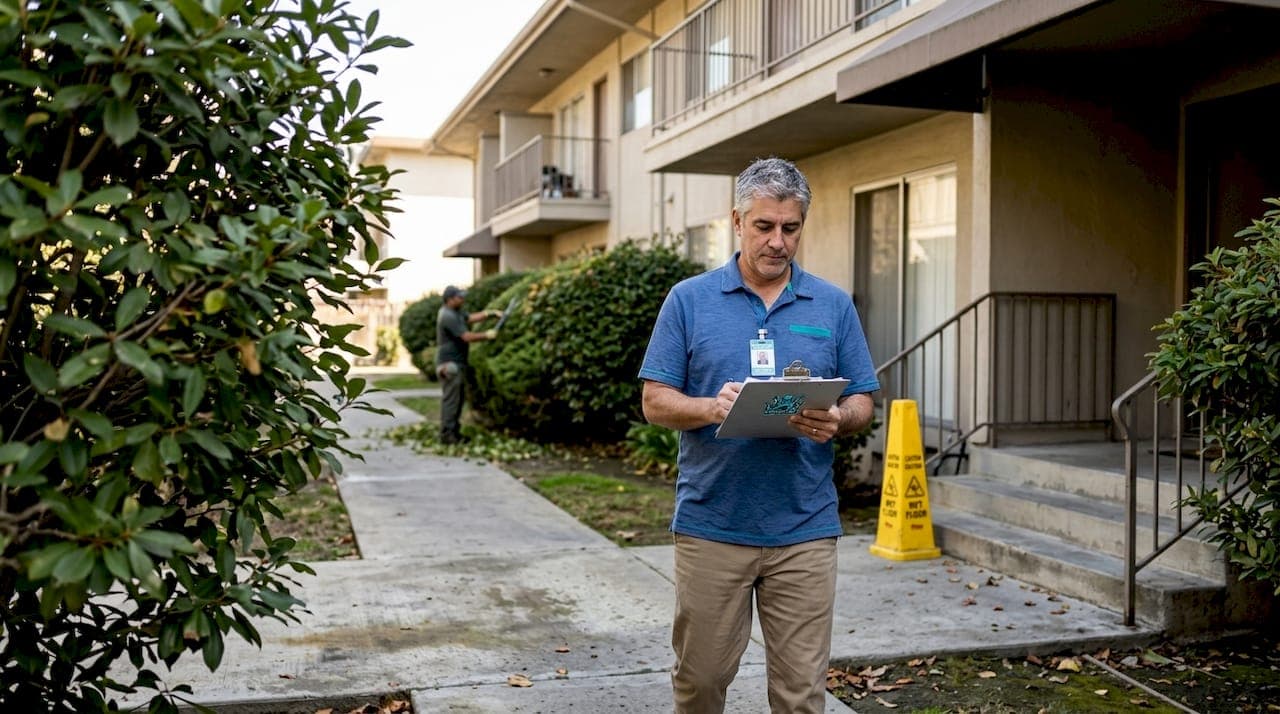
Successful exterior cleaning starts long before you turn on a pressure washer. Property assessment identifies problem areas, high-traffic zones, and surfaces requiring special attention. Walk your property with a checklist, noting stained concrete, mildewed siding, clogged gutters, and damaged surfaces. Document areas near landscaping or tenant windows that need extra protection during cleaning.
Selecting the right tools and cleaning agents prevents surface damage and improves results. Commercial-grade pressure washers with adjustable PSI settings handle different surfaces safely. Soft washing equipment works better for delicate siding and painted surfaces. Eco-friendly cleaning agents protect landscaping and meet environmental standards while effectively removing dirt and organic growth. Stock brushes, extension poles, and safety equipment before starting work.
Developing a cleaning schedule that fits tenant occupancy patterns minimizes disruption. Early morning or midweek timing works best for most properties. Consider seasonal factors like temperature, rain forecasts, and local pollen counts. Using a detailed checklist improves cleaning consistency and effectiveness. Break large properties into manageable zones to maintain progress without overwhelming your team.
Safety preparation protects workers and tenants. Post clear signage around cleaning zones at least 24 hours in advance. Provide workers with protective gear including gloves, goggles, and slip-resistant footwear. Inspect equipment for leaks, worn hoses, and electrical issues. Cover outdoor outlets and protect landscaping with tarps. A comprehensive property management cleaning checklist ensures nothing gets overlooked.
Preparation checklist essentials:
- Complete property walkthrough with documentation
- Verify equipment functionality and safety
- Notify tenants 48 hours before cleaning
- Secure cleaning agents and protective supplies
- Confirm weather forecast for cleaning days
| Preparation Task | Time Required | Priority Level |
|---|---|---|
| Property assessment | 2-3 hours | High |
| Equipment inspection | 1 hour | High |
| Tenant notification | 30 minutes | Medium |
| Supply procurement | 2 hours | Medium |
| Safety setup | 1 hour | High |
Pro Tip: Take before photos of problem areas to document cleaning effectiveness and justify your maintenance budget to property owners.
Step-by-step execution of exterior cleaning
Executing your cleaning plan systematically ensures comprehensive coverage without missing critical areas. Following systematic cleaning steps ensures comprehensive coverage without omissions. Each phase builds on the previous one, creating a logical workflow that maximizes efficiency.
-
Clear debris and loose dirt using brooms, leaf blowers, and manual tools. Remove leaves, trash, and organic matter from walkways, parking areas, and building perimeters. This prevents debris from clogging drains during washing and makes subsequent cleaning more effective.
-
Pre-treat stubborn stains with appropriate cleaning agents. Apply degreasers to oil-stained concrete, mildew removers to affected siding, and rust treatments to metal fixtures. Allow products to dwell according to manufacturer instructions, typically 10-15 minutes, before rinsing.
-
Pressure wash hard surfaces using proper techniques and PSI settings. Start with lower pressure and increase gradually to find the effective level without causing damage. Work from top to bottom, maintaining consistent distance from surfaces. Keep the nozzle moving to avoid etching concrete or stripping paint.
-
Clean windows, siding, and gutters following manufacturer guidelines. Use soft washing for vinyl siding to prevent water intrusion behind panels. Clean windows with streak-free solutions and squeegees. Flush gutters and downspouts to ensure proper drainage. Check different types of exterior cleaning methods for surface-specific guidance.
-
Conduct final rinsing and spot cleaning for uniform appearance. Walk the entire property looking for missed spots, streaks, or areas needing touch-ups. Rinse away all cleaning agent residue to prevent surface damage. Remove protective coverings from landscaping and verify no damage occurred.
-
Protect landscaping throughout the process by pre-wetting plants, using tarps, and rinsing vegetation immediately if cleaning agents contact foliage. Direct runoff away from planted areas when possible.
Pro Tip: Work in small sections rather than trying to clean an entire building face at once. This approach maintains quality control and prevents cleaning agents from drying before rinsing.
Troubleshooting common exterior cleaning challenges
Even well-planned cleaning projects encounter obstacles. Weather delays, equipment issues, and persistent stains require quick thinking and backup plans. Addressing common mistakes early reduces time and cost overruns in cleaning projects.
Weather creates the most frequent disruptions. Rain forecasts require rescheduling, while extreme heat causes cleaning agents to dry too quickly. Wind spreads overspray onto unintended surfaces. Monitor weather closely and maintain flexible scheduling. Have indoor maintenance tasks ready as backup work when outdoor cleaning becomes impossible.
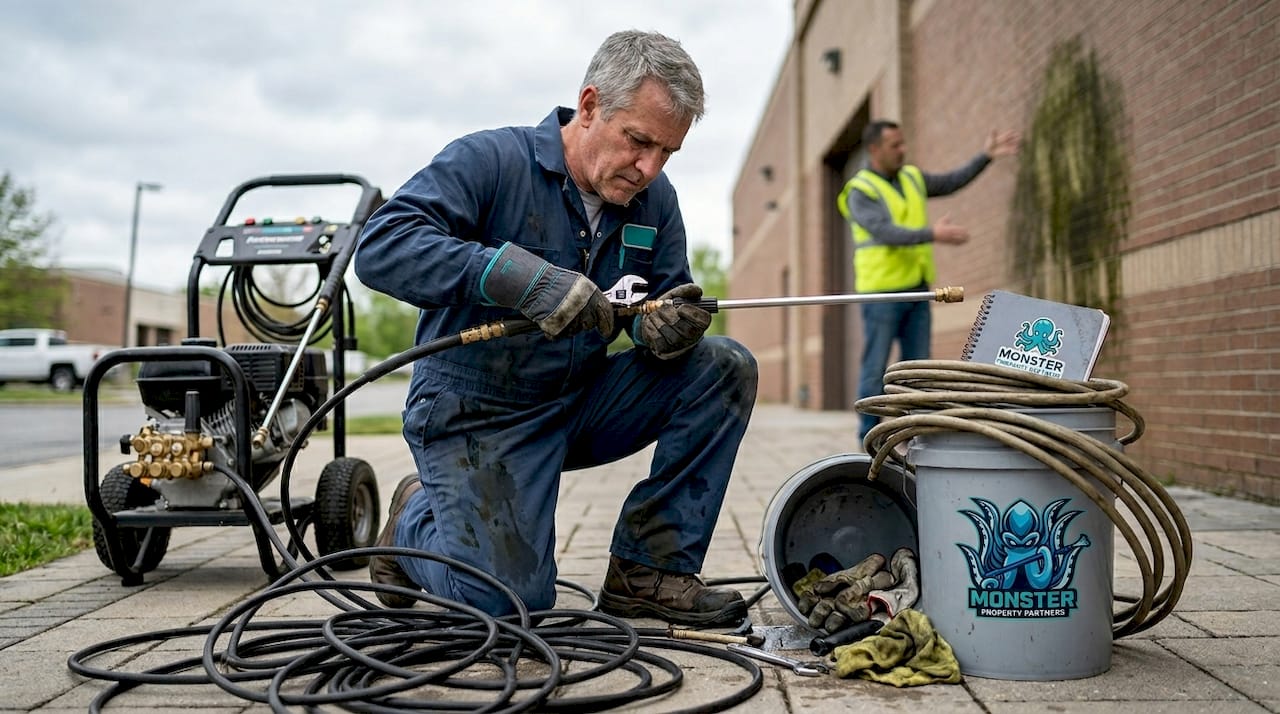
Equipment malfunctions stop progress and frustrate teams. Pressure washers lose pressure from clogged nozzles, worn seals, or inadequate water supply. Extension cords fail from water exposure. Regular equipment maintenance prevents most breakdowns. Keep spare nozzles, hoses, and basic repair parts on hand. Know your equipment rental options for emergency replacements.
Persistent stains resist standard cleaning methods. Rust stains on concrete need oxalic acid treatments. Deep oil penetration requires multiple applications of degreaser. Organic growth in porous surfaces benefits from antimicrobial treatments. Always test new cleaning agents on inconspicuous areas first to verify compatibility and effectiveness.
Common challenge solutions:
- Schedule cleaning during stable weather windows
- Maintain backup equipment and spare parts inventory
- Test cleaning products on small areas before full application
- Keep multiple cleaning agent types for different stain categories
- Communicate schedule changes promptly to all stakeholders
Tenant communication prevents complaints and safety issues. Send detailed notices about cleaning dates, expected noise levels, and any access restrictions. Provide contact information for questions or concerns. Update tenants if schedules change. Clear communication builds goodwill and cooperation. Check property management exterior cleaning insights for additional best practices.
"Successful exterior cleaning requires equal parts planning, execution, and flexibility. The best property managers anticipate challenges and prepare solutions before problems arise."
Verifying results and scheduling ongoing maintenance
Post-cleaning inspection ensures work meets quality standards and identifies areas needing additional attention. Walk the property systematically with your preparation checklist, comparing current condition to documented before photos. Look for missed spots, streaking, or incomplete stain removal. Check that gutters drain properly and no cleaning agent residue remains on surfaces.
Identify touch-up needs immediately while equipment and crews are still on site. Minor issues take minutes to correct during the project but require full remobilization later. Document completed work with after photos for your records and to demonstrate value to property owners. Regular verification and maintenance enhance tenant satisfaction and property value.
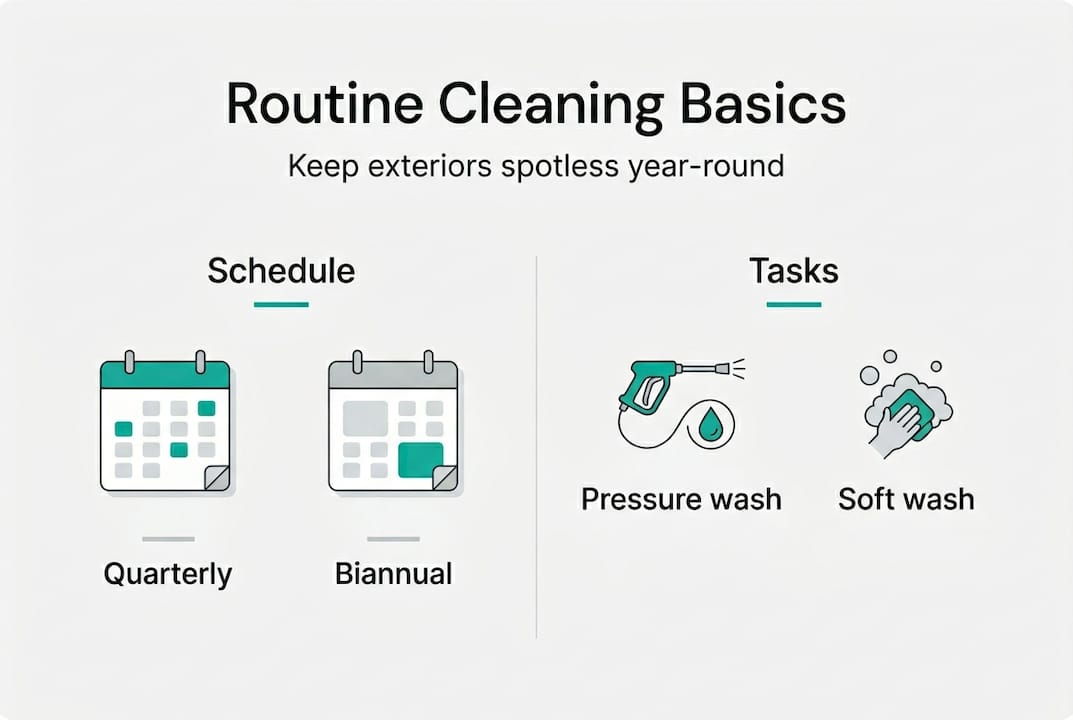
Establishing a routine maintenance schedule prevents the heavy buildup that requires intensive deep cleaning. Most multifamily properties benefit from quarterly exterior cleaning, with high-traffic areas needing monthly attention. Seasonal factors influence timing. Spring cleaning removes winter grime and prepares for peak leasing season. Fall cleaning clears leaves and organic matter before winter weather.
| Maintenance Approach | Frequency | Cost Impact | Best For |
|---|---|---|---|
| Reactive cleaning | As needed | High per incident | Emergency situations only |
| Annual deep clean | Once yearly | Moderate | Low-traffic properties |
| Quarterly maintenance | Every 3 months | Lower per visit | Most multifamily buildings |
| Monthly touch-ups | 12 times yearly | Lowest long-term | High-traffic areas |
Ongoing maintenance benefits:
- Prevents heavy buildup requiring intensive cleaning
- Maintains consistent curb appeal year-round
- Reduces long-term cleaning costs
- Extends surface life by preventing damage
- Improves tenant satisfaction and retention
Communicate cleaning schedules clearly with tenants and maintenance teams. Post annual cleaning calendars in common areas. Send reminder notices before each scheduled service. Train on-site staff to spot issues between professional cleanings. Regular exterior cleaning enhances tenant satisfaction and protects your investment. Review the comprehensive multi-family property cleaning guide for detailed maintenance strategies.
Pro Tip: Create a simple rating system for each building area during inspections. Track cleanliness scores over time to identify problem zones needing more frequent attention or different cleaning methods.
Professional commercial exterior cleaning services for multifamily properties
Managing exterior cleaning internally demands significant time, equipment investment, and specialized knowledge. Professional services deliver superior results while freeing your team for other priorities. Monster Property Partners specializes in multifamily residential building exterior maintenance, bringing commercial-grade equipment and trained crews to every project.

Our multifamily exterior cleaning services include comprehensive solutions from common area concrete cleaning to siding maintenance and seasonal upkeep. We handle scheduling, equipment, safety protocols, and quality control, reducing your administrative burden while enhancing property appeal. Partnering with experienced professionals ensures consistent results that impress tenants and protect property value. Visit Monster Property Partners to learn how we can streamline your exterior maintenance strategy.
How often should commercial exterior cleaning be performed on multifamily buildings?
Typically, exterior cleaning is recommended 2 to 4 times per year depending on climate, property usage, and local environmental factors. Properties in humid climates or areas with heavy tree coverage need more frequent cleaning to control mold and organic growth. High-traffic areas like main entrances, parking structures, and common walkways may require monthly attention to maintain appearance and safety.
Seasonal timing matters significantly. Spring cleaning removes winter accumulation and prepares properties for peak leasing season when curb appeal drives rental decisions. Fall cleaning clears leaves and organic debris before winter weather compounds the problem. A detailed seasonal cleaning checklist provides specific timing guidance based on your region and property characteristics.
Professional evaluations help tailor schedules to your property's specific needs. Factors like building age, surface materials, surrounding landscape, and tenant density all influence optimal cleaning frequency. What works for a newer property with minimal landscaping differs from an older building surrounded by mature trees. Regular assessments identify when to adjust your maintenance schedule.
What are the best cleaning methods for different exterior surfaces on commercial buildings?
Pressure washing effectively cleans concrete, asphalt, and other hard surfaces but requires careful PSI control to avoid damage. Concrete handles 3000 to 4000 PSI safely, while painted surfaces need much lower pressure. Always start with lower settings and increase gradually. Maintain consistent nozzle distance and keep the spray moving to prevent surface etching.
Soft washing with specialized detergents suits delicate siding, painted surfaces, and areas prone to water intrusion. This method uses low-pressure application of cleaning solutions that break down dirt and organic growth chemically rather than mechanically. Glass cleaning benefits from streak-free solutions and professional squeegee techniques. Metal surfaces should be cleaned with rust inhibitors and protective coatings to prevent corrosion. Review different types of exterior cleaning methods for detailed surface-specific guidance.
How can property managers ensure safety during exterior cleaning operations?
Post clear signage and cordon off cleaning zones at least 24 hours before work begins to keep tenants informed and safe. Use barriers, cones, and caution tape to prevent pedestrian traffic through active cleaning areas. Communicate expected completion times and alternative access routes when necessary.
Ensure workers have proper protective gear including chemical-resistant gloves, safety goggles, and slip-resistant footwear. Inspect and maintain equipment regularly to prevent malfunctions that could cause injuries or property damage. Check pressure washers for leaks, verify electrical connections are properly grounded, and replace worn hoses before they fail.
Schedule cleaning during low-traffic hours like early mornings or midweek to reduce tenant exposure to equipment, noise, and wet surfaces. Use environmentally safe cleaning products to protect occupants, pets, and landscaping from harmful chemical exposure. A comprehensive property management cleaning checklist includes all necessary safety protocols and equipment inspections to prevent accidents and ensure compliant operations.