
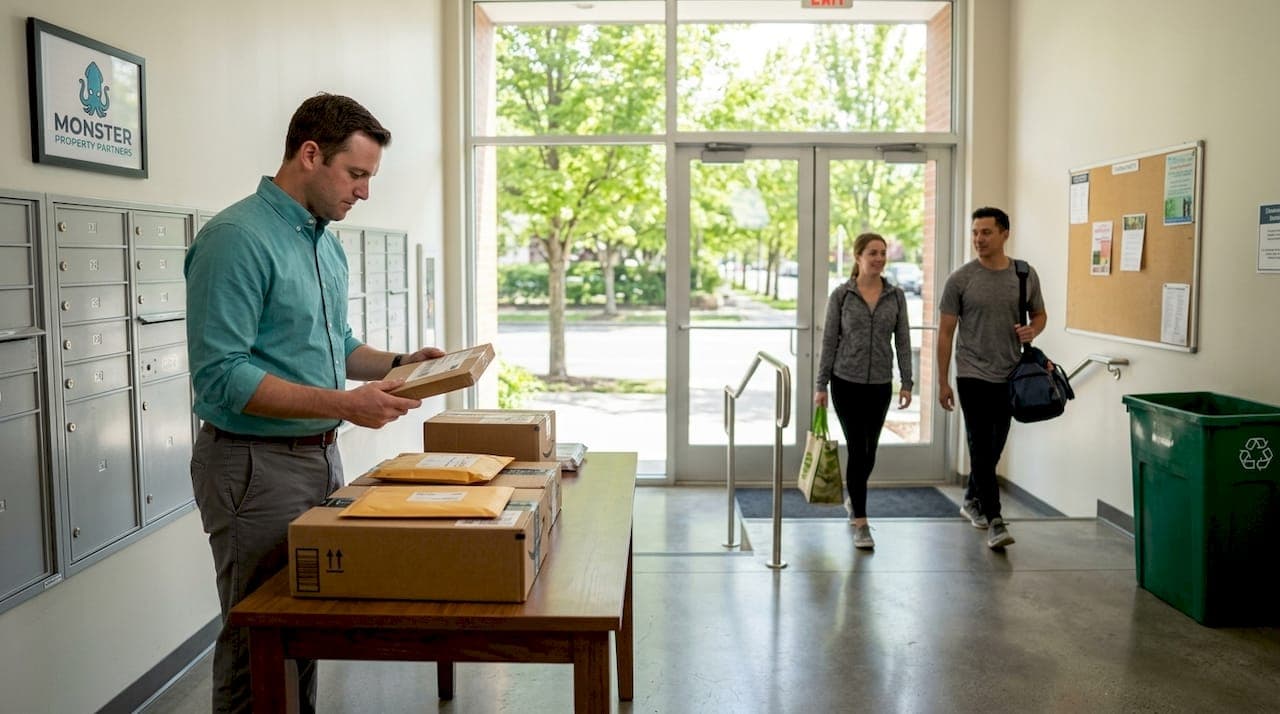
Many property managers focus on amenities, pricing, and location when strategizing tenant retention, yet overlook one of the most visible and impactful factors: cleanliness. A spotless property signals professionalism and care, directly influencing tenant satisfaction and lease renewal decisions. This guide reveals how strategic cleaning practices can transform your multifamily property into a tenant magnet, reducing turnover costs and enhancing your bottom line through proven, actionable strategies tailored for property managers.
Table of Contents
- Key takeaways
- Why cleaning matters for tenant retention in multifamily properties
- Essential cleaning areas that influence tenant satisfaction
- Implementing effective cleaning protocols for tenant retention
- Measuring cleaning impact on tenant retention and property value
- Enhance your property's appeal with expert cleaning services
- Frequently asked questions
Key Takeaways
| Point | Details |
|---|---|
| Cleanliness boosts retention | Clean properties signal care and influence tenant satisfaction and lease renewals. |
| Target high impact areas | Prioritize lobbies, hallways, laundry rooms, exterior spaces, and amenity areas to maximize tenant satisfaction and perceived value. |
| Structured cleaning checklist | A routine cleaning checklist improves maintenance consistency and keeps key spaces consistently clean. |
| Professional cleaning services | Outsourcing cleaning to professionals delivers expert results and operational efficiency for property managers. |
Why cleaning matters for tenant retention in multifamily properties
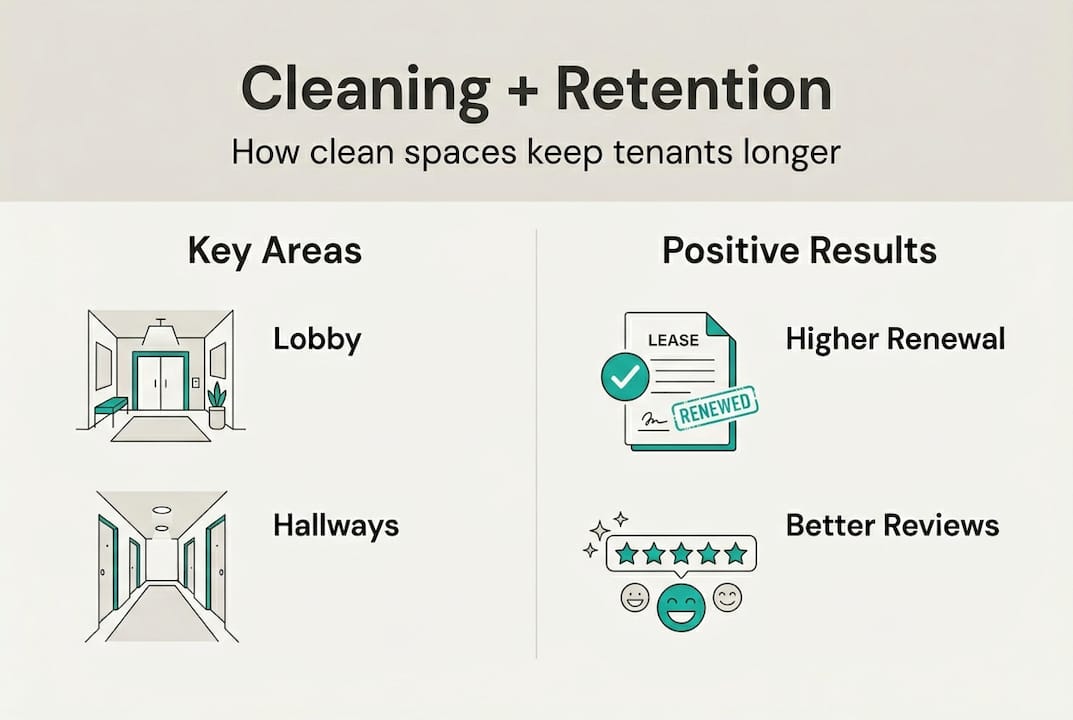
The connection between cleanliness and tenant loyalty runs deeper than surface aesthetics. When tenants walk through pristine lobbies and hallways, they subconsciously register that management values their living environment. This perception builds trust and emotional attachment to the property. Conversely, neglected spaces trigger doubt about management competence and property quality, prompting tenants to explore alternatives when lease renewal approaches.
Clean common areas significantly increase tenant satisfaction and perceived property value, making cleanliness a strategic retention tool rather than a maintenance afterthought. Research consistently demonstrates that tenants prioritize cleanliness when rating their living experience, often ranking it above amenities like fitness centers or pools.
Dirty or poorly maintained spaces accelerate turnover in measurable ways. Tenants who encounter grimy laundry rooms, stained carpets, or debris-filled parking areas feel their rent payments aren't delivering value. These visible signs of neglect appear prominently in online reviews, damaging your property's reputation and making it harder to attract quality tenants. The financial impact extends beyond lost rent, as each turnover cycle costs thousands in cleaning, repairs, marketing, and vacancy periods.
Prioritize these high-impact areas to maximize retention:
- Lobbies and entrance areas that shape critical first impressions
- Hallways and stairwells where tenants pass daily
- Laundry rooms requiring sanitary standards and functionality
- Exterior common spaces including parking lots and walkways
- Fitness centers and amenity spaces that justify premium rents
"Tenant retention saves significantly more than acquiring new renters. Every percentage point improvement in retention rate directly improves your net operating income by reducing turnover expenses and vacancy losses."
The economics favor retention over acquisition. Marketing vacant units, screening applicants, processing move-ins, and addressing unit turnover damage consumes substantial resources. When you invest in cleaning quality, you're essentially paying to keep good tenants rather than constantly searching for new ones. This shift in perspective transforms cleaning from an expense line item into a profit-generating retention strategy.
Essential cleaning areas that influence tenant satisfaction
Not all property areas carry equal weight in tenant perception. Strategic property managers concentrate resources where cleaning delivers maximum satisfaction impact. Understanding which spaces matter most allows you to allocate budget and attention efficiently while avoiding wasteful spending on low-visibility areas.
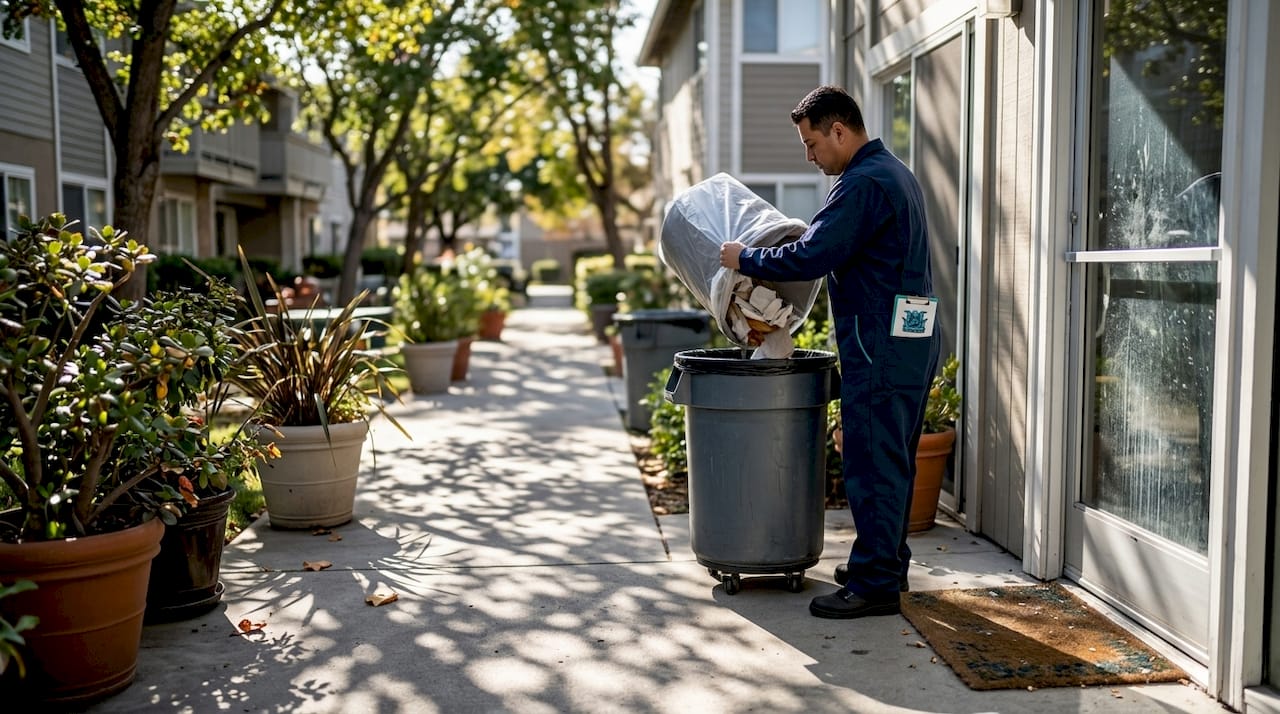
Exteriors and common areas require regular cleaning to maintain property appeal and tenant satisfaction. The exterior serves as your property's first impression, visible to current tenants daily and prospective tenants during tours. Stained siding, dirty walkways, and algae-covered surfaces communicate neglect regardless of interior quality.
| Area | Recommended Frequency | Tenant Impact | Common Feedback |
|---|---|---|---|
| Building exterior | Quarterly deep clean | High visibility, curb appeal | "Looks well-maintained" or "Appears run down" |
| Lobby and entrance | Daily maintenance | Critical first impression | "Feels welcoming" or "Dirty and uninviting" |
| Hallways and stairs | Weekly deep clean | Daily tenant exposure | "Clean and fresh" or "Smells musty" |
| Laundry facilities | Twice weekly | Hygiene expectations | "Sanitary" or "Gross and sticky" |
| Parking and walkways | Weekly sweep, monthly power wash | Safety and aesthetics | "Well-kept" or "Trash everywhere" |
| Amenity spaces | After each use, weekly deep clean | Justifies premium rent | "Worth the extra cost" or "Never clean" |
High-touch surfaces demand priority attention because they directly impact health perceptions. Door handles, elevator buttons, mailbox areas, and handrails accumulate germs and grime rapidly. Tenants notice when these surfaces feel sticky or visibly dirty, triggering concerns about property sanitation standards. Regular disinfection of these zones demonstrates health consciousness and management attentiveness.
Exterior cleaning extends beyond aesthetics into property preservation. Organic growth, pollution residue, and weather staining accelerate surface deterioration when left untreated. Power washing building facades, sidewalks, and parking areas removes destructive contaminants while refreshing appearance. This dual benefit of exterior cleaning in property maintenance protects your capital investment while enhancing tenant satisfaction.
Pro Tip: Schedule seasonal deep cleans during moderate weather when you can safely keep windows open and tenants spend more time outdoors. Spring and fall transitions offer ideal timing for comprehensive exterior pressure washing and interior carpet cleaning, minimizing tenant disruption while maximizing cleaning effectiveness.
Common area bathrooms, when present, require exceptional attention. These shared spaces carry heightened sanitary expectations and become focal points for tenant complaints when standards slip. Daily cleaning with visible restocking of supplies signals ongoing maintenance rather than periodic attention. A comprehensive property management cleaning checklist ensures consistent coverage across all critical zones.
Implementing effective cleaning protocols for tenant retention
Establishing systematic cleaning routines transforms sporadic maintenance into reliable quality standards. Without structured protocols, cleaning quality fluctuates based on staff availability and competing priorities, creating inconsistent tenant experiences. A documented approach ensures every critical area receives appropriate attention regardless of daily operational pressures.
Develop your routine cleaning schedule using these foundational steps:
- Audit your property to identify all areas requiring regular cleaning attention
- Assign frequency levels based on traffic volume and tenant visibility
- Create detailed task lists specifying exactly what gets cleaned in each area
- Establish quality standards with photos showing acceptable cleanliness levels
- Schedule tasks across your team to ensure coverage without overwhelming staff
- Document completion with digital checklists that timestamp each task
- Review performance weekly and adjust schedules based on actual conditions
A structured cleaning checklist improves maintenance consistency and tenant experience by eliminating guesswork and memory dependence. Digital property management platforms now offer mobile checklist features that guide staff through tasks while automatically logging completion for management review.
Professional cleaning services deliver expertise and equipment beyond typical in-house capabilities. When evaluating providers, prioritize these criteria:
- Specialized experience with multifamily properties and high-traffic commercial spaces
- Proper licensing, insurance, and bonding protecting your property from liability
- Equipment quality including commercial-grade pressure washers and floor care machines
- Staff training programs ensuring consistent technique and safety compliance
- Flexible scheduling accommodating your property's peak and off-peak periods
- Communication systems providing service confirmations and issue alerts
- Quality guarantees with defined response times for addressing concerns
Tracking and quality assurance separate effective cleaning programs from checkbox exercises. Implement spot inspections using the same standards you've documented for staff. Photograph problem areas before and after cleaning to verify improvement. Survey tenants quarterly about cleanliness satisfaction, asking specific questions about individual areas rather than general impressions. This data reveals which spaces need protocol adjustments and validates your cleaning investment to ownership.
Pro Tip: Leverage tenant feedback as your most valuable quality control tool. Create simple digital surveys asking residents to rate cleanliness in specific areas monthly. When you spot declining scores, investigate immediately rather than waiting for formal complaints. This proactive approach catches problems before they damage satisfaction and shows tenants you value their input.
Staff training ensures your protocols translate into actual performance. New maintenance team members need hands-on demonstration of cleaning techniques, chemical usage, and safety procedures. Experienced staff benefit from periodic refresher training introducing new products or methods. When you invest in developing cleaning skills, you're building a team capable of maintaining the standards that keep tenants renewing leases.
A comprehensive multifamily cleaning checklist serves as both training tool and daily guide. New hires can reference detailed task lists while learning, and veterans use them to maintain consistency across properties. The maintenance cleaning guide for multifamily exteriors provides specialized protocols for outdoor spaces requiring different techniques than interior areas.
Measuring cleaning impact on tenant retention and property value
Quantifying cleaning effectiveness transforms it from a subjective maintenance function into a measurable business driver. Property managers who track cleaning metrics can justify budgets, optimize spending, and demonstrate ROI to ownership. Without measurement, you're operating on assumptions rather than evidence.
| Cleaning Frequency | Average Tenant Retention Rate | Maintenance Request Reduction | Property Value Impact |
|---|---|---|---|
| Minimal (monthly or less) | 68% | Baseline | Neutral to negative |
| Standard (weekly common areas) | 78% | 15% fewer complaints | Maintains market value |
| Enhanced (daily high-traffic, weekly all areas) | 86% | 32% fewer complaints | 3-5% premium justified |
| Professional service partnership | 91% | 41% fewer complaints | 5-8% premium justified |
The data shows that regular exterior cleaning correlates with higher tenant retention and property valuation. Properties with documented cleaning programs command premium rents because prospective tenants perceive them as better managed and maintained. This perception translates directly into willingness to pay above market rates for units in demonstrably clean buildings.
Tenant satisfaction surveys provide qualitative insights complementing quantitative metrics. Ask specific questions about cleanliness in individual areas rather than overall property ratings. This granular feedback identifies which spaces meet expectations and which need improvement. Track survey responses over time to measure whether protocol changes actually improve tenant perception.
Monitor these key performance indicators to evaluate cleaning success:
- Lease renewal rate compared to market averages and your historical performance
- Cleanliness-related maintenance requests and complaint frequency trends
- Online review ratings specifically mentioning cleanliness or maintenance quality
- Move-out survey responses identifying cleanliness as a satisfaction factor
- Time to lease vacant units, as clean properties attract tenants faster
- Premium rent achievement compared to comparable properties in your market
Maintenance request patterns reveal cleaning effectiveness indirectly. When common area cleaning improves, you'll notice fewer requests about trash accumulation, pest sightings, and odor complaints. These leading indicators signal that your protocols are working before they show up in retention statistics. Conversely, increasing maintenance requests about cleanliness issues warn of protocol breakdowns requiring immediate attention.
"The ROI from cleaning investments extends beyond tenant retention into operational efficiency, reputation management, and asset preservation. Properties with superior cleanliness standards consistently outperform market averages in occupancy rates and rental premiums."
Integrate cleaning metrics into your regular property management reports to ownership. Present retention rates alongside cleaning program investments to demonstrate correlation. Show complaint reduction trends following protocol improvements. Document premium rent achievements compared to properties with lower cleanliness standards. This evidence-based approach positions cleaning as a strategic investment rather than a discretionary expense.
The multi-family property cleaning guide provides frameworks for tracking these metrics systematically. When you establish baseline measurements before implementing new protocols, you can definitively prove their impact on tenant satisfaction and retention. This data becomes powerful ammunition when requesting budget increases or justifying professional service partnerships.
Enhance your property's appeal with expert cleaning services
After understanding how cleaning drives tenant retention and property value, many property managers recognize the limitations of in-house capabilities. Professional cleaning services bring specialized equipment, trained technicians, and proven protocols that consistently deliver the quality standards tenants expect. Monster Property Partners specializes in multifamily exterior cleaning services designed specifically for apartment buildings and multi-family properties.
Our commercial pressure washing expertise addresses the toughest exterior cleaning challenges, from removing years of organic growth on building facades to restoring stained concrete in common areas. We understand the operational complexities of occupied properties, scheduling services to minimize tenant disruption while maximizing cleaning effectiveness. Our common area concrete cleaning services transform walkways, parking areas, and amenity spaces that directly influence tenant satisfaction.
Partner with cleaning professionals who understand multifamily property management challenges and deliver reliable results that support your retention goals. Contact us to discuss customized cleaning programs that elevate your property's appeal and keep tenants renewing leases year after year.
Frequently asked questions
How often should common areas be professionally cleaned to support tenant retention?
Professional cleaning of common areas is recommended at least weekly for high-traffic multifamily properties to maintain tenant satisfaction. Frequency should increase during peak seasons, after events, or during tenant turnover periods when properties experience heavier use. Monthly deep cleaning of exteriors complements weekly interior maintenance, creating comprehensive coverage that keeps properties appealing year-round.
What areas should property managers prioritize for cleaning to reduce tenant turnover?
Prioritize lobbies, hallways, laundry rooms, and exterior common spaces as these areas directly influence daily tenant experience and satisfaction. High-touch surfaces like door handles, elevator buttons, and handrails require more frequent attention due to hygiene expectations. A comprehensive property management cleaning checklist ensures you're covering all critical zones that impact retention decisions.
How can tenant feedback improve cleaning protocols?
Use satisfaction surveys and maintenance request patterns to identify specific cleaning gaps and areas needing protocol adjustments. When tenants report cleanliness concerns about particular spaces, investigate immediately and modify your multifamily cleaning checklist to address those issues systematically. Regular feedback loops transform tenants into quality control partners who help you maintain the standards they value most.
Are professional cleaning services worth the investment for tenant retention?
Professional cleaning services enhance quality and consistency beyond typical in-house capabilities, directly improving tenant satisfaction and retention rates. They save management time while delivering superior results using commercial-grade equipment and specialized techniques. The cost of professional cleaning is typically offset by reduced turnover expenses, as retaining one additional tenant per year often covers an entire annual cleaning contract.