
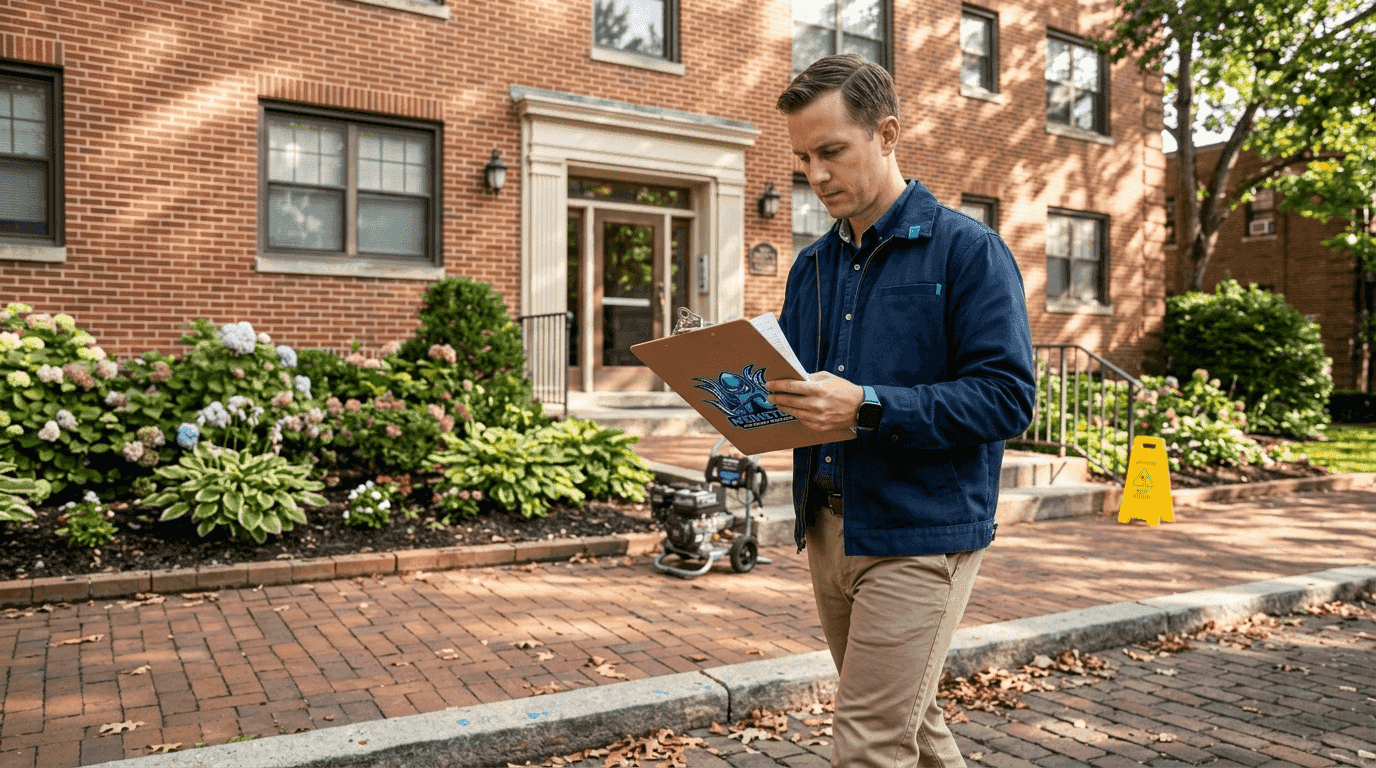
Managing multifamily properties requires balancing tenant satisfaction with cost control and long-term asset preservation. Exterior cleaning stands out as a maintenance strategy that delivers measurable returns across all three areas. Property managers who implement structured exterior cleaning programs report lower repair costs, improved tenant retention, and extended building lifespans. This article examines the specific benefits of exterior cleaning for multifamily properties, compares cleaning methods, and provides actionable guidance for making strategic maintenance decisions that protect your investment while keeping budgets predictable.
Table of Contents
- How To Evaluate The Benefits Of Exterior Cleaning For Multifamily Properties
- Key Exterior Cleaning Benefits For Property Managers
- Comparing Exterior Cleaning Methods And Their Impact On Benefits
- Making The Best Exterior Cleaning Decisions For Multifamily Properties
- Optimize Your Multifamily Exterior Cleaning With Monster Property Partners
- Frequently Asked Questions About Exterior Cleaning Benefits
Key takeaways
| Point | Details |
|---|---|
| Preventive cleaning reduces costs | Regular exterior maintenance prevents expensive structural repairs and lowers overall maintenance budgets. |
| Enhanced curb appeal improves retention | Clean building exteriors increase tenant satisfaction and reduce vacancy periods. |
| Extended building lifespan | Removing contaminants protects building materials and extends their functional life. |
| Predictable maintenance budgets | Structured cleaning programs create uniform standards and eliminate cost variability. |
How to evaluate the benefits of exterior cleaning for multifamily properties
Property managers need clear criteria to assess exterior cleaning benefits and justify maintenance investments. The most effective evaluation framework examines four core areas: cost savings through preventive maintenance, tenant satisfaction and retention rates, asset preservation and building lifespan extension, and operational efficiency across property portfolios.
A structured approach to exterior building maintenance eliminates variability and leads to predictable budgets and uniform standards. This predictability matters because multifamily properties face unique challenges. Unlike single-family homes, apartment buildings accumulate dirt, mold, and environmental contaminants faster due to higher occupancy density and shared exterior spaces.
Consider these evaluation factors:
- Quantifiable cost reductions in repair and replacement expenses
- Measurable improvements in tenant satisfaction scores
- Documented extension of building material lifespans
- Consistency of maintenance standards across multiple properties
- Ability to forecast and control annual maintenance budgets
Pro Tip: Track maintenance costs per square foot before and after implementing a structured cleaning program. This metric provides concrete evidence of financial benefits and helps justify budget allocations to stakeholders.
The evaluation process should align with your property's specific conditions. Buildings in coastal areas face salt corrosion challenges, while properties near industrial zones deal with pollution buildup. Understanding these variables helps you select exterior cleaning property maintenance strategies that deliver maximum benefit for your situation.
Key exterior cleaning benefits for property managers
Preventive maintenance through regular exterior cleaning delivers substantial cost advantages. Preventive maintenance significantly lowers costs compared to reactive repairs. When you remove mold, algae, and pollutants before they cause structural damage, you avoid expensive restoration projects. A single instance of water damage from clogged gutters or deteriorated siding can cost thousands in repairs, while routine cleaning prevents these issues entirely.
Tenant retention represents another critical benefit. Well-maintained properties see stronger tenant retention and reduced vacancy periods. Clean exteriors signal professional management and care, factors that influence tenant renewal decisions. When residents see consistent maintenance, they perceive higher property value and feel more satisfied with their living environment.
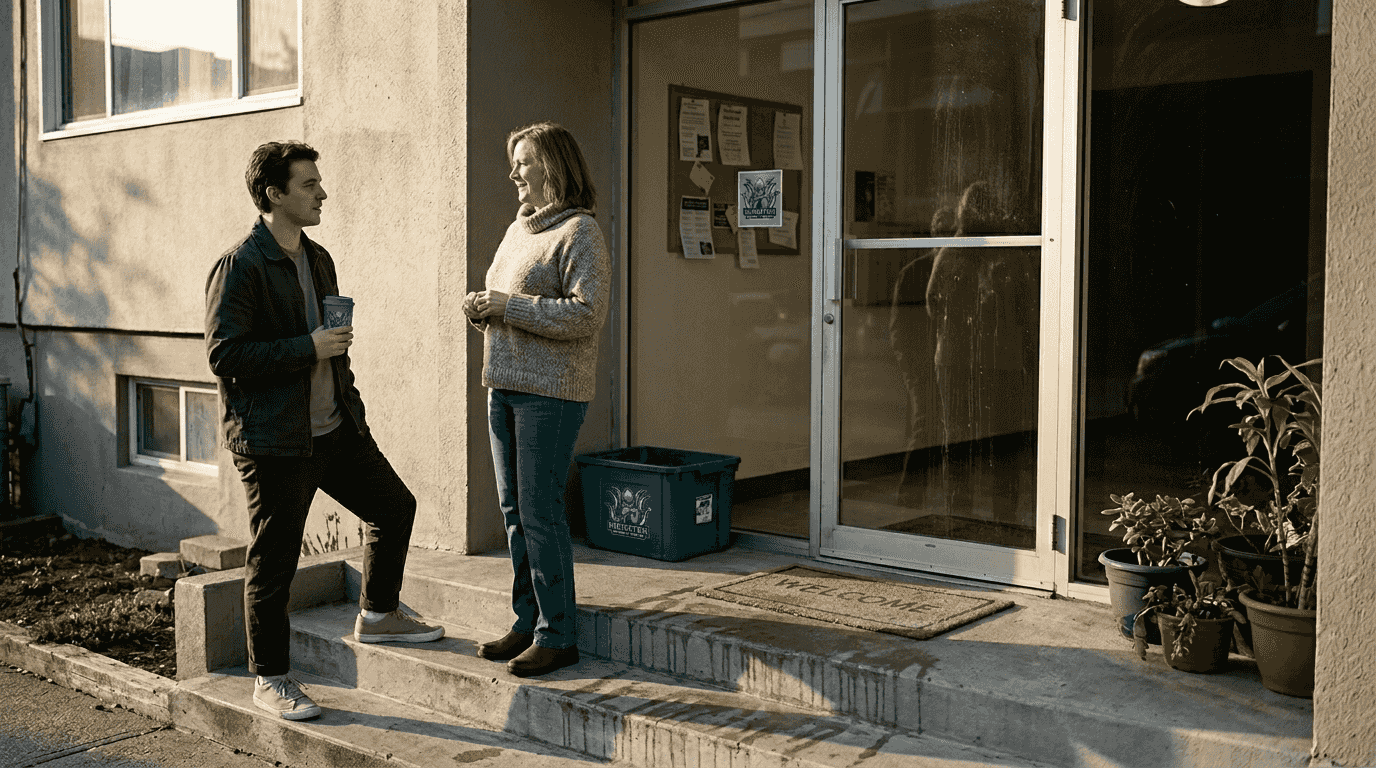
Building lifespan extension provides long-term financial returns. Contaminants like mold, mildew, and industrial pollutants actively degrade building materials. Brick mortar deteriorates faster when organic growth retains moisture. Vinyl siding becomes brittle and cracks when covered in oxidation. Regular exterior cleaning extends lifespan by removing these destructive elements before they cause permanent damage.
Portfolio management becomes more efficient with standardized cleaning programs. Managing multiple properties requires consistent processes and predictable outcomes. When you implement uniform cleaning schedules across your portfolio, you gain:
- Simplified vendor management and contract negotiations
- Accurate budget forecasting based on historical data
- Reduced emergency maintenance calls and associated costs
- Improved property comparisons and performance metrics
Pro Tip: Schedule exterior cleaning during off-peak rental seasons. This timing minimizes tenant disruption while ensuring properties look their best during prime leasing periods.
Regular exterior cleaning transforms reactive maintenance into proactive exterior cleaning asset preservation, protecting your investment while controlling costs.
The financial impact extends beyond immediate cost savings. Properties with well-maintained exteriors command higher rental rates and achieve better valuations during refinancing or sale. Clean buildings also reduce liability risks by eliminating slip hazards from algae growth and preventing structural failures from undetected deterioration.
Comparing exterior cleaning methods and their impact on benefits
Selecting the right cleaning method directly affects the benefits you receive. Different techniques suit different building materials and contamination types. Exterior cleaning involves understanding material compositions, detergents, water pressures, and protective coatings to achieve optimal results without causing damage.
| Method | Best For | Key Benefits | Limitations | | --- | --- | --- | | Pressure Washing | Concrete, brick, hard surfaces | Fast removal of heavy dirt and stains | Can damage softer materials if improperly used | | Soft Washing | Vinyl siding, painted surfaces, roofs | Gentle cleaning with longer-lasting results | Requires more time than pressure washing | | Chemical Cleaning | Specific stains, rust, efflorescence | Targets particular contaminants effectively | Needs proper disposal and environmental consideration | | Steam Cleaning | Historic buildings, delicate materials | No chemicals, minimal water usage | Higher equipment costs, slower process |
Pressure washing delivers rapid results for durable surfaces like parking lots, walkways, and brick facades. The high-pressure water stream removes years of accumulated grime in a single pass. However, excessive pressure damages wood, vinyl, and painted surfaces by stripping protective coatings or forcing water behind siding.
Soft washing uses low-pressure water combined with specialized cleaning solutions to eliminate organic growth and stains. This method proves ideal for types of exterior cleaning property managers need for residential buildings. The cleaning agents continue working after application, providing longer-lasting results than pressure washing alone.
Consider these method selection factors:
- Building material composition and age
- Type and severity of contamination
- Environmental regulations in your area
- Budget constraints and frequency requirements
- Tenant disruption and scheduling flexibility
Matching the cleaning method to your building materials prevents damage while maximizing effectiveness. Brick and concrete tolerate higher pressures, while vinyl siding and wood require gentler approaches. Historic buildings often need specialized techniques that preserve original materials and finishes.
Pro Tip: Request material-specific cleaning proposals from vendors. A quality provider will assess your building materials and recommend appropriate methods rather than using a one-size-fits-all approach.
The choice between methods also affects long-term maintenance cycles. Soft washing typically extends the time between cleanings because the treatment kills organic growth at the root. Pressure washing removes surface contamination but may require more frequent applications. Understanding these differences helps you plan exterior cleaning property management 2026 strategies that optimize both results and costs.
Making the best exterior cleaning decisions for multifamily properties
Prioritizing exterior cleaning benefits requires analyzing your property's specific needs and constraints. Start by assessing current building conditions, tenant feedback, and historical maintenance costs. This baseline data reveals which benefits deliver the highest return for your situation.
A structured approach leads to uniform standards and clear visibility for teams managing multiple properties. Follow this decision framework:
- Conduct a comprehensive property assessment identifying high-priority cleaning areas
- Calculate current annual costs for exterior repairs and emergency maintenance
- Research cleaning methods appropriate for your building materials
- Request detailed proposals from qualified exterior cleaning vendors
- Compare total cost of ownership including frequency, materials, and labor
- Implement a pilot program on one property to measure results
- Scale successful strategies across your entire portfolio
Budget considerations extend beyond the immediate cleaning cost. Factor in reduced repair expenses, improved tenant retention rates, and extended material lifespans when calculating return on investment. A cleaning program that costs $5,000 annually but prevents $15,000 in repairs delivers clear value.
Outsourcing to professional services often provides better results than in-house maintenance teams. Specialized exterior cleaning companies bring expertise, equipment, and efficiency that reduce overall costs. They understand how to prioritize exterior maintenance apartments need while minimizing tenant disruption.
Professional services also eliminate equipment ownership costs and training requirements. Commercial-grade pressure washers, soft wash systems, and safety equipment represent significant capital investments. Outsourcing converts these fixed costs into predictable operating expenses.
Pro Tip: Negotiate multi-property contracts for volume discounts. Vendors often reduce per-unit costs when you commit to servicing your entire portfolio, and you can learn why outsource exterior cleaning cut costs by 25 percent or more.
Timing decisions matter as much as method selection. Schedule deep cleaning during mild weather when surfaces dry properly and cleaning solutions work effectively. Plan routine maintenance quarterly or semi-annually depending on environmental factors and building use intensity. High-traffic areas like entryways and parking structures need more frequent attention than upper-floor facades.
Optimize your multifamily exterior cleaning with Monster Property Partners
You've learned how strategic exterior cleaning delivers measurable benefits for multifamily properties. Now it's time to implement these strategies with a partner who understands the unique demands of apartment building maintenance.
Monster Property Partners specializes in multifamily exterior cleaning services designed specifically for property managers overseeing large portfolios. Our team delivers consistent results across multiple properties while maintaining predictable budgets and minimal tenant disruption. We use building-specific cleaning methods that protect your investment and extend material lifespans.
From common area concrete cleaning to comprehensive facade restoration, our services address every exterior maintenance need. We handle scheduling, communication, and quality control so you can focus on other property management priorities. Our structured approach ensures uniform standards across your entire portfolio while providing the cost savings and efficiency benefits discussed throughout this article. Discover how Monster Property Partners exterior cleaning transforms maintenance from a recurring expense into a strategic asset preservation program.
Frequently asked questions about exterior cleaning benefits
How often should exterior cleaning be scheduled?
Most multifamily properties benefit from quarterly cleaning for high-traffic areas and semi-annual deep cleaning for building facades. Environmental factors like coastal salt exposure or heavy tree coverage may require more frequent service. Establish a baseline schedule, then adjust based on actual contamination rates and tenant feedback.
What is the cost-benefit ratio of preventive cleaning?
Preventive exterior cleaning typically costs 60 to 75 percent less than reactive repairs over a five-year period. A $3,000 annual cleaning program can prevent $10,000 or more in structural repairs, water damage remediation, and material replacement. The ratio improves further when you factor in tenant retention benefits and reduced vacancy costs.
Can exterior cleaning increase tenant satisfaction?
Yes, clean building exteriors directly correlate with higher tenant satisfaction scores and renewal rates. Residents perceive well-maintained properties as higher value and feel management cares about their living environment. Visible cleanliness also reduces maintenance complaints and creates positive first impressions for prospective tenants.
What cleaning methods are safe for historic building materials?
Historic buildings require low-pressure soft washing or steam cleaning to avoid damaging original materials. Never use high-pressure water on old brick, limestone, or decorative elements. Consult preservation specialists before cleaning buildings over 50 years old, and always test methods on inconspicuous areas first.
Is outsourcing exterior cleaning cost-effective for large portfolios?
Outsourcing delivers significant cost savings for portfolios of five or more properties. Professional services eliminate equipment ownership costs, reduce labor overhead, and provide volume discounts on multi-property contracts. You also gain access to specialized expertise and equipment without capital investment, while converting fixed costs into predictable operating expenses.