
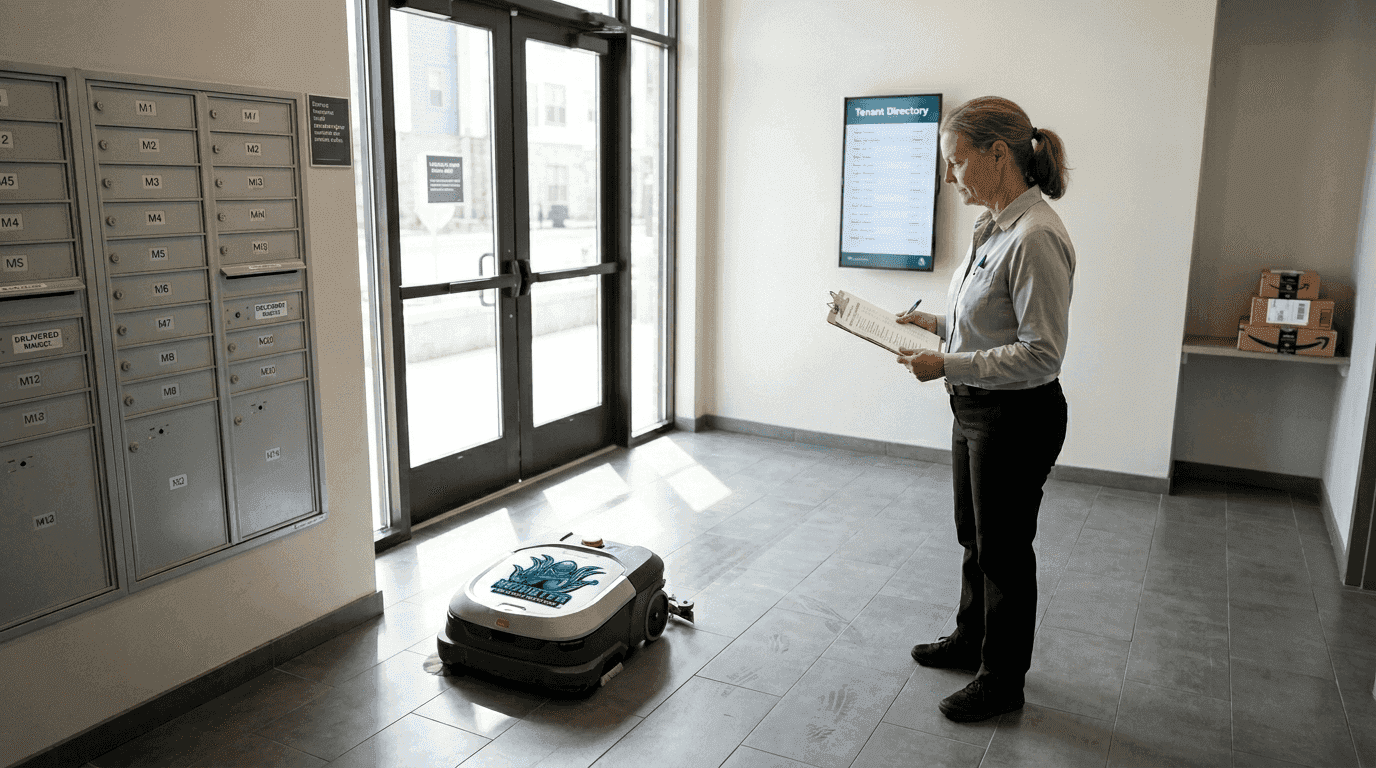
Property management in 2026 presents unprecedented challenges as rising operational costs, persistent labor shortages, and heightened sustainability demands converge. Managers must balance tight budgets with tenant expectations for pristine, healthy living environments while meeting increasingly stringent environmental regulations. Traditional cleaning approaches struggle to address these competing pressures effectively. Understanding emerging cleaning trends becomes essential for property managers seeking to optimize operations, reduce costs, and maintain competitive advantage. This article explores the top cleaning innovations transforming multifamily housing management, from AI-powered robotics to eco-friendly products and predictive analytics, providing actionable insights to guide strategic implementation decisions.
Table of Contents
- How To Evaluate Cleaning Trends For Multifamily Property Management In 2026
- AI-Powered Cleaning Robots: Transforming Multifamily Property Maintenance
- Green And Sustainable Cleaning Products: Meeting Tenant Expectations And Regulations
- Integrating Cleaning Technology With Predictive Analytics And Staff Training
- Comparing Cleaning Trends: Impact On Costs, Efficiency, And Sustainability
- Explore Expert Exterior Cleaning Services For Multifamily Properties
Key takeaways
| Point | Details |
|---|---|
| AI cleaning robots | Adoption projected to increase 40% by 2026, addressing labor shortages while improving operational efficiency. |
| Eco-friendly products | Green cleaning solutions reduce environmental impact and improve indoor air quality amid rising tenant and regulatory demands. |
| Predictive analytics | Integration with cleaning technology optimizes schedules, minimizes downtime, and extends equipment lifespan through data-driven insights. |
| Energy-efficient systems | Rising utility costs make energy management a critical criterion for evaluating cleaning technology investments. |
| Staff training importance | Comprehensive training maximizes technology ROI and ensures successful adoption across maintenance teams. |
How to evaluate cleaning trends for multifamily property management in 2026
Selecting the right cleaning trends requires a structured evaluation framework that aligns with your property's specific operational priorities and budget constraints. Energy efficiency and electrification remain priorities due to rising energy prices and emissions standards, making energy management a critical first criterion. Labor savings potential directly impacts your bottom line, so calculate projected ROI by comparing technology costs against reduced staffing needs and insurance expenses.
Technology adoption decisions must factor in data privacy and cybersecurity requirements to protect sensitive tenant information from potential breaches. Tenant satisfaction improvements serve as key performance indicators, as cleaner common areas and healthier indoor environments directly influence renewal rates and property reputation. Maintenance cost reductions over the equipment lifecycle should be weighed against upfront investment requirements.
Ease of integration with existing cleaning workflows determines implementation success. Consider these evaluation criteria:
- Initial investment versus long-term operational savings
- Compatibility with current maintenance management systems
- Staff training requirements and learning curve duration
- Vendor support quality and service response times
- Scalability potential as your property portfolio grows
Pro Tip: Create a weighted scoring matrix with these criteria to objectively compare cleaning trends based on your property's unique priorities and constraints.
AI-powered cleaning robots: transforming multifamily property maintenance
Robotic cleaning technology represents the most transformative trend reshaping multifamily maintenance operations in 2026. AI-powered cleaning robots' adoption is projected to increase 40% by 2026, driven by persistent labor shortages and compelling cost optimization opportunities. These autonomous systems perform vacuuming, floor scrubbing, and window washing with precision that reduces manual labor intensity while maintaining consistent quality standards.
Integration of AI-powered analytics allows predictive maintenance and optimized cleaning schedules, extending equipment lifespan significantly. Sensors detect high-traffic areas requiring more frequent attention, automatically adjusting cleaning patterns without human intervention. This data-driven approach minimizes downtime by identifying potential mechanical issues before they cause failures.
Robotics in property management enhances efficiency and precision, reducing labor costs and improving hygiene standards across common areas. Most property managers report ROI within 18 to 36 months as reduced staffing needs and lower insurance costs offset initial equipment investments. Robots work during off-peak hours, eliminating tenant disruptions while ensuring facilities remain pristine.
Implementation challenges require careful planning:
- Comprehensive staff training on robot operation and basic troubleshooting
- Data security protocols to protect tenant information collected by sensors
- Integration with existing property cleaning workflows and scheduling systems
- Initial investment capital ranging from $15,000 to $50,000 per unit depending on capabilities
Pro Tip: Start with one robotic unit in high-traffic common areas to demonstrate value and build staff confidence before scaling across your entire property portfolio.
Green and sustainable cleaning products: meeting tenant expectations and regulations
Sustainability has shifted from optional to essential as tenant demographics increasingly prioritize environmental responsibility and health-conscious living environments. Demand for eco-friendly, sustainable cleaning products will rise 30% by 2026 in multifamily housing, driven by both consumer preferences and regulatory mandates. Property managers adopting green cleaning products position themselves competitively while reducing liability exposure from harsh chemical usage.
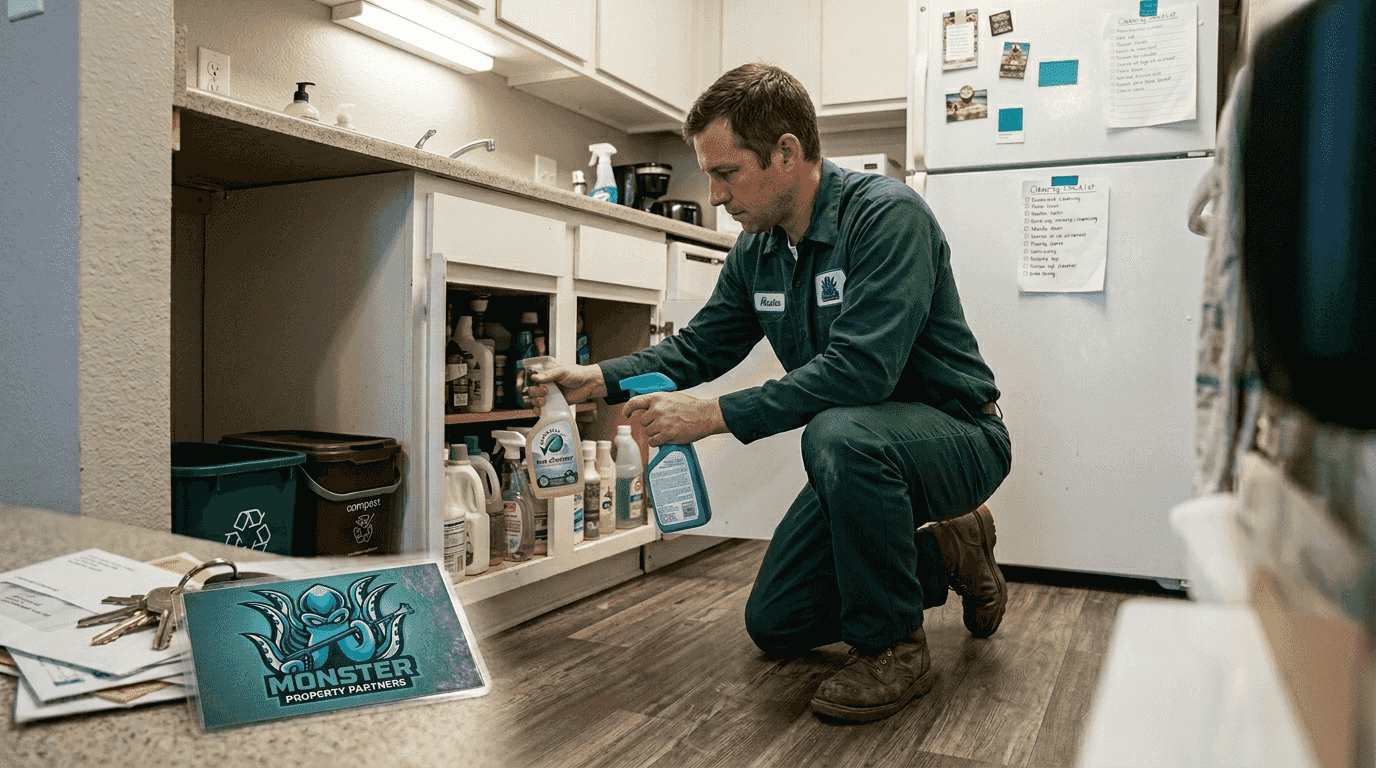
Green cleaning formulations use biodegradable, non-toxic ingredients that minimize environmental impact without sacrificing cleaning effectiveness. These products improve indoor air quality by eliminating volatile organic compounds that trigger respiratory issues and allergic reactions among sensitive residents. Reduced chemical exposure also protects maintenance staff health, potentially lowering workers' compensation claims and improving employee retention.
Implementing sustainable cleaning practices aligns with broader energy management initiatives:
- Concentrated formulas reduce packaging waste and transportation emissions
- Cold-water-effective products decrease energy consumption from water heating
- Refillable container systems minimize single-use plastic waste
- Plant-based ingredients biodegrade rapidly, reducing water treatment burdens
Certified eco-friendly products meet third-party standards like Green Seal or EPA Safer Choice, providing verification of environmental and health claims. This certification simplifies compliance with green building standards such as LEED or ENERGY STAR, potentially qualifying properties for utility rebates or tax incentives. Tenant marketing materials highlighting sustainable practices differentiate your property from competitors.
Pro Tip: Partner with suppliers offering certified eco-friendly products and bulk purchasing options to control costs while ensuring exterior cleaning and interior maintenance align with sustainability commitments.
Integrating cleaning technology with predictive analytics and staff training
Successful technology adoption extends beyond purchasing equipment to encompass comprehensive integration with existing operations and thorough staff preparation. Proper staff training and change management are essential to maximize technology benefits and avoid pitfalls that undermine ROI. Predictive analytics platforms analyze cleaning data to optimize schedules based on actual usage patterns rather than arbitrary timing, reducing unnecessary cleaning cycles while ensuring high-traffic areas receive appropriate attention.
Data privacy and security need robust measures to prevent breaches when deploying AI-powered cleaning systems that collect occupancy and movement data. Implement encryption protocols, access controls, and regular security audits to protect tenant information and maintain compliance with privacy regulations. Clear communication with residents about data collection purposes builds trust and demonstrates responsible technology stewardship.
A structured training plan ensures smooth technology adoption:
- Conduct initial orientation sessions explaining technology benefits and operational changes
- Provide hands-on equipment training with supervised practice periods
- Designate technology champions among staff to provide peer support
- Schedule regular refresher sessions to reinforce best practices
- Establish feedback channels for staff to report issues or suggest improvements
- Document standard operating procedures for consistent application
This comparison illustrates the performance differences across cleaning approaches:
| Approach | Labor Efficiency | Equipment Lifespan | Schedule Optimization | Data Security Needs |
|---|---|---|---|---|
| Manual cleaning | Low baseline | N/A | Minimal | None |
| Robotic cleaning without analytics | High improvement | Standard | Moderate | Basic |
| Robotic cleaning with predictive analytics | Highest efficiency | Extended 30% | Optimized | Comprehensive |
Integration with cleaning workflow systems enables centralized monitoring and performance tracking across multiple properties. Dashboard analytics reveal cleaning completion rates, equipment utilization, and cost per square foot, supporting data-driven management decisions.
Comparing cleaning trends: impact on costs, efficiency, and sustainability
Evaluating cleaning trends side by side clarifies which innovations best match your property's priorities, budget constraints, and operational capabilities. This comprehensive comparison guides strategic investment decisions:
| Trend | Upfront Cost | Labor Savings | Sustainability Impact | Training Requirements | ROI Timeline |
|---|---|---|---|---|---|
| AI-powered robots | High ($15k-$50k) | 40-60% reduction | Moderate | Extensive | 18-36 months |
| Green cleaning products | Low to moderate | Minimal direct impact | High | Minimal | 6-12 months |
| Predictive analytics | Moderate ($5k-$15k) | 20-30% efficiency gain | Moderate | Moderate | 12-24 months |
AI-powered robots deliver the strongest labor savings and operational efficiency improvements but require substantial upfront capital investment and comprehensive staff training. Most property management firms report ROI within 18-36 months from robotics adoption, reducing labor and insurance costs significantly. These systems excel in large properties with extensive common areas where automation benefits compound.
Green cleaning products offer the best sustainability profile with immediate tenant health benefits and minimal implementation complexity. Cost premiums for eco-friendly formulations have narrowed to 10 to 20% above conventional products, making them accessible even for budget-conscious properties. Marketing value from sustainability credentials often offsets the modest price difference through improved occupancy rates.
Predictive analytics platforms optimize existing resources rather than replacing labor, making them ideal for properties seeking efficiency gains without major operational disruption. These systems require skilled staff capable of interpreting data insights and adjusting workflows accordingly.
Tailored recommendations based on property characteristics:
- Small properties (under 100 units): Prioritize green cleaning products and basic scheduling software for immediate sustainability wins with minimal investment
- Mid-sized properties (100-300 units): Combine predictive analytics with selective robotic deployment in high-traffic lobbies and corridors
- Large properties (over 300 units): Implement comprehensive robotic cleaning with integrated analytics across all common areas for maximum labor savings
- Budget-constrained properties: Start with proven cleaning checklists and green products before adding technology layers
Explore expert exterior cleaning services for multifamily properties
Implementing cutting-edge cleaning standards requires balancing internal capabilities with professional expertise to achieve optimal results. Monster Property Partners provides state-of-the-art exterior cleaning services tailored specifically for multifamily housing operations in 2026. Our sustainable cleaning solutions align perfectly with industry trends toward green products and energy-efficient practices that reduce environmental impact while controlling costs.
Flexible scheduling options and technology-supported cleaning workflows integrate seamlessly with your existing maintenance operations without disrupting tenant routines. Our team manages large-scale concrete cleaning projects efficiently through reliable communication and strategic coordination. Partner with us to reduce vacancy rates through enhanced curb appeal and tenant satisfaction that drives renewals and referrals. Our comprehensive exterior cleaning solutions deliver measurable results that strengthen your property's competitive position in demanding rental markets.
FAQ
What is driving the rise of robotic cleaning in multifamily housing?
Persistent labor shortages, rising wage pressures, and the need for consistent hygiene standards drive robotic cleaning adoption across multifamily properties. AI technologies enhance operational efficiency through predictive maintenance capabilities that extend equipment lifespan while reducing downtime. Cost reduction needs make automation increasingly attractive as property managers seek to control expenses without compromising service quality.
How do eco-friendly cleaning products benefit multifamily properties?
Green cleaning products reduce environmental impact, improve indoor air quality, and help properties comply with increasing sustainability regulations and tenant expectations. Use of certified eco-friendly formulations supports corporate sustainability goals while protecting maintenance staff and resident health from harsh chemical exposure. Marketing advantages from demonstrated environmental responsibility often translate to higher occupancy rates and premium rental pricing.
What are the most important staff training considerations when adopting cleaning technology?
Comprehensive training ensures proper equipment operation, maximizes return on investment, and prevents costly underutilization of technology capabilities. Change management strategies addressing employee concerns and demonstrating personal benefits increase adoption success rates. Ongoing support through refresher sessions and accessible troubleshooting resources maintains operational consistency and employee confidence over time.
How can property managers balance cost and sustainability in cleaning?
Adopt energy-efficient cleaning systems and green products while leveraging automation technology to reduce labor costs and improve operational efficiency. Evaluate ROI by measuring both direct cost savings and indirect benefits like improved tenant satisfaction, reduced turnover, and enhanced property reputation. Strategic phasing of investments allows properties to implement sustainability improvements incrementally without overwhelming budgets or operations.