
TL;DR:
- Proper site assessment and compliance checks are essential before pressure washing multi-family properties.
- Thorough preparation, tenant notification, and environmental controls prevent costly mistakes and fines.
- Expert assistance can streamline processes, ensure compliance, and improve project outcomes.
Skipping preparation before pressure washing a multi-family property is one of the costliest mistakes a property manager can make. Damaged siding, flooded landscaping, tenant complaints, and regulatory fines can all stem from poor planning before a single drop of water hits the building. This guide gives you a clear, step-by-step preparation process built for property managers and owners who need results without surprises. We cover everything from compliance requirements and tool selection to tenant communication, on-site setup, and final verification so your next exterior cleaning project runs without issues.
Table of Contents
- Assess the site and understand compliance requirements
- Gather tools, materials, and inform tenants
- Step-by-step property preparation for pressure washing
- Common mistakes to avoid and verification checklist
- Why preparation beats last-minute fixes every time
- Let experts handle the hard part
- Frequently asked questions
Key Takeaways
| Point | Details |
|---|---|
| Assess for compliance | Evaluate all site-specific risks and know your local stormwater rules before any work starts. |
| Prep tools and tenants | Gather the right materials and inform occupants ahead for minimal disruption and safety. |
| Follow exact preparation steps | Protect surfaces, contain runoff, and sequence tasks to ensure both compliance and quality results. |
| Verify and sign off | Double-check all work areas and compliance before project completion for peace of mind. |
Assess the site and understand compliance requirements
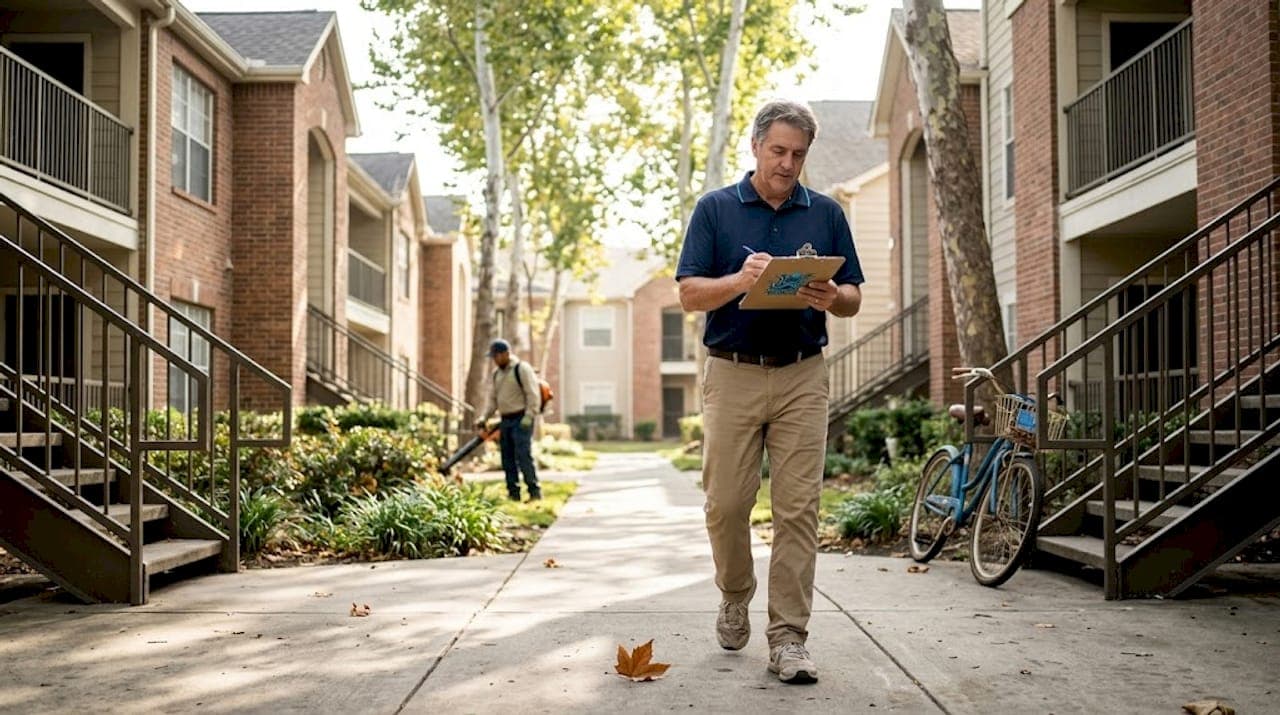
Before any equipment arrives, walk the property with fresh eyes. You are looking for surface conditions, nearby landscaping, drainage pathways, and anything that might complicate the wash. Note areas with cracked siding, deteriorating caulk, or older paint, as high-pressure water will cause further damage if those spots are not handled with care. Check where water flows naturally across the property and identify all storm drain locations.
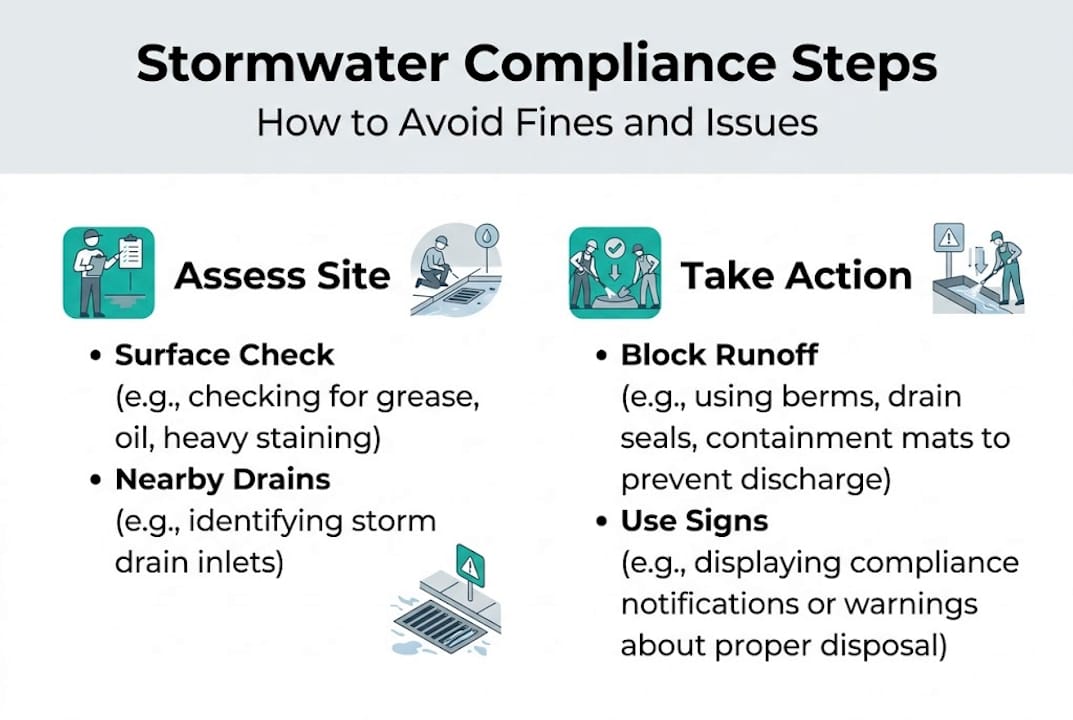
Regulatory compliance is not optional. Most municipalities have stormwater ordinances that govern how wastewater from cleaning operations must be managed. Some HOA agreements add another layer of restrictions. Checking your pressure washing compliance requirements before starting will save you from expensive surprises. Per Virginia DEQ stormwater guidance, contain runoff, use biodegradable detergents, and direct wastewater to a sanitary sewer or vegetated area rather than discharging directly to a storm drain, especially when cleaning agents are involved.
| Site element | Compliance consideration |
|---|---|
| Concrete walkways | Contain runoff, avoid drain discharge |
| Building siding | Use low-pressure settings on older materials |
| Landscaping beds | Protect from direct spray and chemical runoff |
| Storm drain proximity | Install berms or filters before washing |
| Cleaning agent type | Biodegradable only near drains or greenery |
Your environmental compliance checklist before starting should include these non-negotiables:
- Confirm runoff containment method is in place
- Verify all detergents are biodegradable and approved
- Identify the nearest sanitary sewer access for wastewater disposal
- Document storm drain locations and install protective filters or plugs
- Photograph the site condition before work begins for your records
Non-compliance with stormwater ordinances can result in fines reaching thousands of dollars per incident, plus the reputational damage that follows a regulatory violation. Pairing your site walk with a seasonal exterior cleaning checklist helps you stay consistent across all properties in your portfolio.
Gather tools, materials, and inform tenants
With regulations in mind, preparation now turns to collecting the right tools and ensuring everyone on site and in the building knows what is coming. Arriving at a job without the right equipment or with no tenant notice in place creates delays that cost money and goodwill.
Your pressure washing checklist should cover both the physical supplies and the communication steps. Here is how essential and optional items break down:
| Item | Essential | Optional |
|---|---|---|
| Pressure washer (correct PSI for surface) | Yes | |
| Appropriate nozzle tips (15, 25, 40 degree) | Yes | |
| Biodegradable detergent or soap | Yes | |
| PPE (gloves, goggles, non-slip boots) | Yes | |
| Runoff containment berms or barriers | Yes | |
| Surface-specific brushes | Yes | |
| Telescoping wand for upper floors | Yes | |
| Foam cannon for large wall surfaces | Yes | |
| Caution signage and cones | Yes |
Using the right PSI matters more than many people realize. Concrete walkways typically handle 2,500 to 3,000 PSI well, while vinyl siding should not exceed 1,500 PSI. Going too high on softer materials strips protective coatings and forces water behind panels. As noted in stormwater best practices, biodegradable detergents for compliance are not just environmentally sound but often legally required.
Tenant communication is equally important. Follow these steps:
- Identify all affected areas and estimate the work schedule
- Draft a clear notice with start time, duration, and affected zones
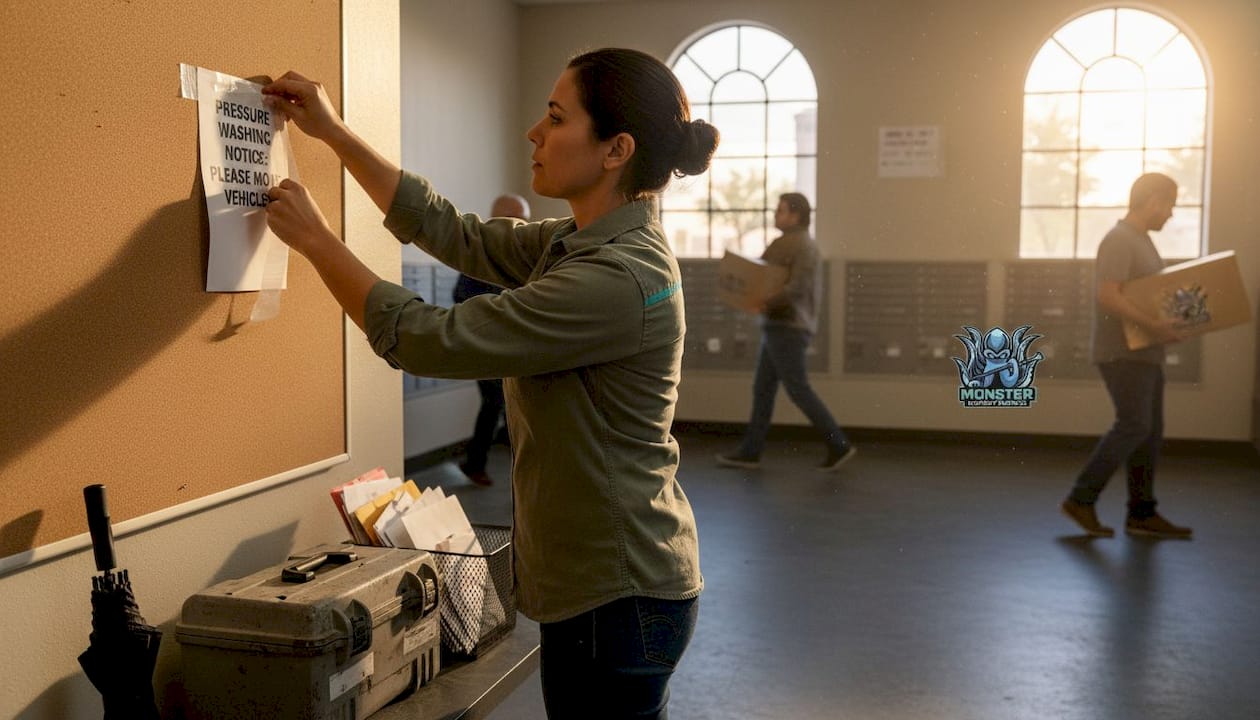
- Post physical notices in lobbies, mailrooms, and near entrances
- Send a digital notice via email or property management software
- Follow up the day before with a reminder
- Designate a point of contact for tenant questions during the project
Pro Tip: Notify tenants at least 48 hours in advance. Earlier notice gives residents time to move vehicles, secure patio items, and close windows, which prevents both damage and complaints.
The professional cleaning benefits extend well beyond equipment. Experienced teams handle communication workflows and compliance documentation without adding to your workload.
Step-by-step property preparation for pressure washing
With tools in hand and tenants informed, precise on-site preparation leads to safer, more compliant results. Rushing this stage is where most avoidable problems begin.
Follow this preparation sequence:
- Clear the work area. Remove outdoor furniture, planters, bikes, and any loose items from the cleaning zones. Flag items that cannot be moved and plan around them.
- Protect landscaping and windows. Cover garden beds with plastic sheeting and close all windows and sliding doors on affected units. Tape plastic over exterior electrical outlets.
- Post warning signs and cones. Mark off the entire work zone with cones and caution tape. Signage should be visible from every entry point.
- Secure entryways. If pressure washing near doorways, confirm each entry has a safe, dry path for emergency access throughout the project.
- Set up runoff controls. Position containment berms along the perimeter and at storm drain openings. Verify that wastewater will flow toward a designated collection or vegetated area per stormwater best practices.
- Inspect and test all equipment. Check hose connections, trigger mechanisms, and nozzle tips before starting. Fill the detergent reservoir with your biodegradable solution.
- Run a spot test. Before full-scale washing, test a small inconspicuous section to confirm PSI and nozzle selection are appropriate for the surface.
Pro Tip: Always test in a low-visibility corner first. This is especially critical on painted brick, older stucco, and composite siding where aggressive spray can cause irreversible damage.
For a more detailed walkthrough of apartment-specific tasks, the step-by-step apartment washing guide breaks down each surface type with recommended settings.
Skipping preparation steps is not just a safety risk. Improper setup can void manufacturer warranties on treated surfaces and expose your property to regulatory fines that dwarf the cost of a proper pre-wash setup.
The pressure washing pro tips resource covers equipment-specific guidance worth reviewing before working on large or complex properties.
Common mistakes to avoid and verification checklist
Your prep is complete. Now make sure you avoid the pitfalls that undermine otherwise well-planned projects.
Mistakes that create the most problems:
- Skipping tenant notifications, which leads to property damage claims and strained relationships
- Ignoring the weather forecast. Rain can redirect runoff in unexpected ways and reduce the effectiveness of detergents
- Using harsh chemical cleaners not approved for stormwater compliance
- Failing to protect or plug storm drains before washing. Per stormwater guidelines, avoid direct storm drain discharge, especially when cleaning agents are in use
- Starting without a completed waste disposal plan or designated collection area
After the job, verify your work with this checklist before signing off:
- Inspect all cleaned surfaces for streaks, missed sections, or damage
- Walk the runoff pathways to confirm no wastewater reached storm drains
- Collect and review the waste disposal log
- Photograph the completed work for your maintenance records
- Obtain sign-off from your crew lead and property contact
When problems do come up, quick diagnosis matters:
| Problem | Probable cause | Solution |
|---|---|---|
| Streaking on siding | Incorrect nozzle angle or distance | Adjust to 45 degrees, increase distance |
| Runoff reaching drain | Barrier not sealed properly | Add secondary berm, redirect flow |
| Detergent residue remaining | Insufficient rinse pass | Add a low-pressure rinse cycle |
| Surface damage after wash | PSI too high for material | Switch to wider nozzle, lower pressure |
Following a proven property cleaning workflow will reduce the frequency of these problems across your portfolio. Understanding the full range of types of exterior cleaning methods also helps you choose the right approach for each surface.
Why preparation beats last-minute fixes every time
After years of managing large exterior cleaning projects across apartment communities, one pattern stands out clearly. The teams that skip preparation because they assume they can adapt on the fly end up spending more time, more money, and far more energy fixing problems than the preparation would have ever cost.
Last-minute troubleshooting typically means staff overtime, emergency supply runs, tenant complaint calls, and in some cases, regulatory inspections triggered by a neighbor or passerby. None of that is cheap. None of it is good for your reputation as a property manager.
Well-prepared crews finish faster, produce better results, and rarely face the kind of rework that erodes profit margins. Preparation is not just a safety measure. It is a competitive advantage. Property managers who treat prep as non-negotiable consistently see lower per-cleaning costs over time, and their tenants notice the professionalism.
Scheduling routine pressure washing with a documented preparation protocol already in place makes each subsequent project faster and less expensive than the last. That compounding efficiency is where the real return on investment lives.
Let experts handle the hard part
If walking through this process feels like a lot to manage on top of your existing responsibilities, that reaction is completely valid.
At Monster Property Partners, our teams are built specifically for multi-family exterior cleaning at scale. We handle compliance documentation, tenant communication support, equipment setup, and runoff containment as part of every project. Explore our multifamily exterior cleaning services to see how we structure large-scale jobs for efficiency and zero compliance surprises. For properties with heavy foot traffic areas, our common area concrete cleaning program targets the surfaces your residents interact with most. We do the prep so you do not have to.
Frequently asked questions
What areas should be prioritized during pressure washing preparation for multifamily properties?
Focus on entryways, high-traffic walkways, and areas near storm drains. These zones carry the highest risk for both compliance violations and tenant safety issues during cleaning operations.
Why is stormwater compliance important in pressure washing?
It prevents chemical pollutants from entering local waterways and protects you from fines and legal exposure. Stormwater compliance requires containing runoff, using biodegradable detergents, and directing wastewater away from storm drains.
How far in advance should tenants be notified before pressure washing begins?
At least 48 hours notice is recommended. This gives residents enough time to move vehicles, secure belongings, and close windows before work begins.
What cleaning agents are safe and compliant for exterior multifamily surfaces?
Biodegradable detergents or soaps are the safest option and align with most stormwater regulations. Per stormwater guidelines, use biodegradable detergents whenever cleaning agents are used near drains or landscaping.
What mistakes most often lead to fines in multi-family pressure washing?
Directing wastewater toward storm drains and failing to contain runoff are the most common violations. Guidelines are clear: avoid storm drain discharge especially when chemicals are involved.