
TL;DR:
- Choosing the right cleaning method depends on surface material, stain type, and safety considerations.
- Combining methods strategically extends surface life and enhances property value.
- Regular, tailored exterior cleaning supports tenant retention and regulatory compliance.
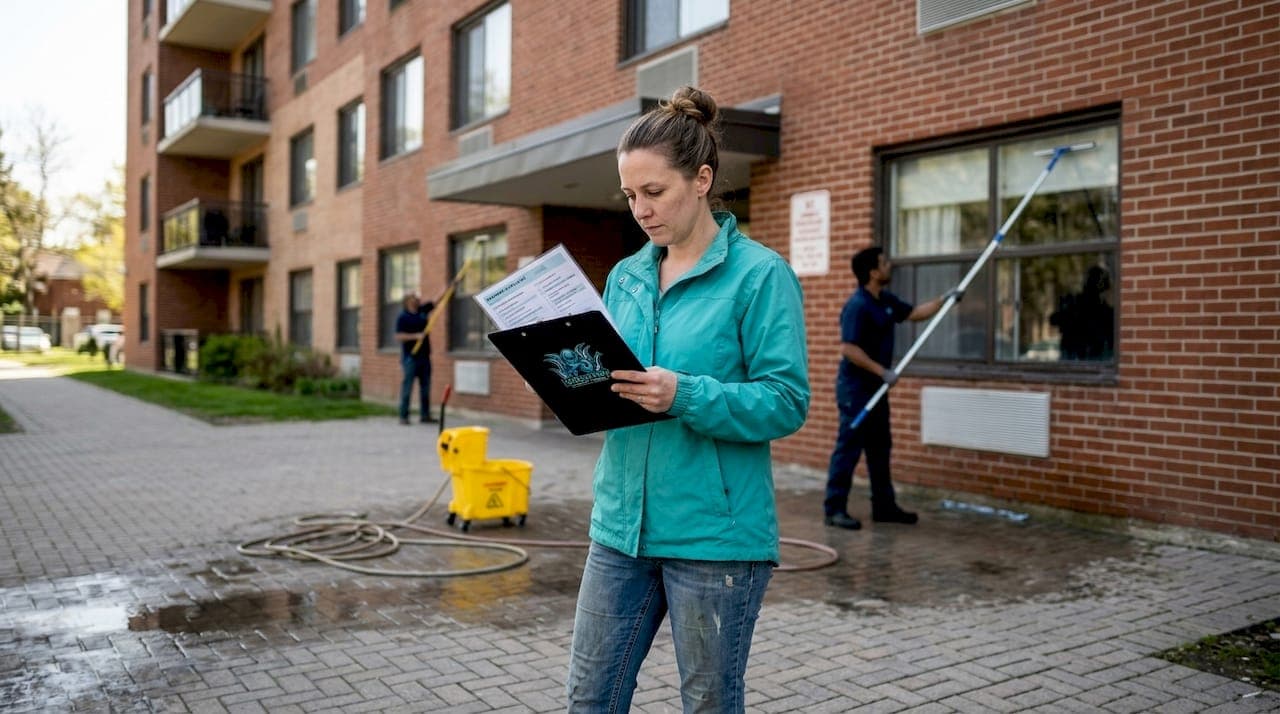
Choosing the right exterior cleaning solution for your apartment building is harder than it looks. You're dealing with multiple surfaces, unpredictable weather, tenant schedules, and tight budgets, all at once. The wrong choice doesn't just leave dirt behind. It can damage surfaces, create liability risks, and cost far more in repairs than the cleaning itself. Regular cleaning extends surface life, reduces repair costs, and supports tenant retention. This article walks you through how to evaluate, compare, and apply the most effective exterior cleaning solutions for multifamily properties, so you can make decisions that protect your asset and keep tenants happy.
Table of Contents
- Criteria for selecting exterior cleaning solutions
- Six common exterior cleaning methods, explained
- Side-by-side comparison of solutions
- Situational recommendations for apartment properties
- Our perspective: Why smarter exterior cleaning pays off long-term
- Get expert help with your exterior cleaning needs
- Frequently asked questions
Key Takeaways
| Point | Details |
|---|---|
| Choose by surface type | Select cleaning solutions based on specific building materials and conditions for best results. |
| Method integration is key | Combining multiple cleaning methods often delivers the most thorough property results. |
| Cleaning boosts value | Regular exterior cleaning enhances curb appeal, occupant satisfaction, and investment returns. |
| Safety and compliance matter | Prioritize solutions that support tenant safety and help pass required property inspections. |
Criteria for selecting exterior cleaning solutions
Now that you understand why the right solution matters, consider the main criteria before making your choice. Not every cleaning method works on every surface, and not every product is safe for your tenants or landscaping. Getting this wrong can mean etched concrete, peeling paint, or a failed inspection.
Here are the key factors to evaluate before committing to any exterior cleaning method or provider:
- Material compatibility: Brick, stucco, wood siding, vinyl, and concrete each respond differently to pressure, heat, and chemicals. What works on concrete can destroy painted wood.
- Stain and soil type: Mold, mildew, grease, tree sap, and general debris each require different approaches. One product rarely handles all of them well.
- Tenant safety: Cleaning agents that linger on walkways or pool into drainage areas can create slip hazards or expose tenants to harmful chemicals.
- Environmental compliance: Many municipalities regulate chemical runoff, especially near storm drains. Eco-friendly, biodegradable formulas help you stay compliant.
- Cost and scheduling fit: The cheapest option upfront often requires more frequent retreatment. Factor in labor, product cost, and downtime for tenants.
- Regulatory and insurance requirements: Regular cleaning helps properties pass inspections by supporting compliance, which can directly affect your insurance premiums and liability exposure.
A solid cleaning guide for property managers will walk through these factors in detail, but the short version is this: match the method to the material, the stain, and the risk level of the area. Reviewing industry cleaning standards can also help you benchmark your current practices against what's expected in the field.
Pro Tip: Partner with cleaning providers who can customize chemicals and pressure settings for your property's specific surface types. A one-size-fits-all approach is rarely the most effective or cost-efficient.
Six common exterior cleaning methods, explained
Once you know your criteria, evaluate which cleaning approaches best fit your property's needs. Each method has a distinct use case, and knowing when to apply each one is what separates reactive maintenance from a proactive strategy.
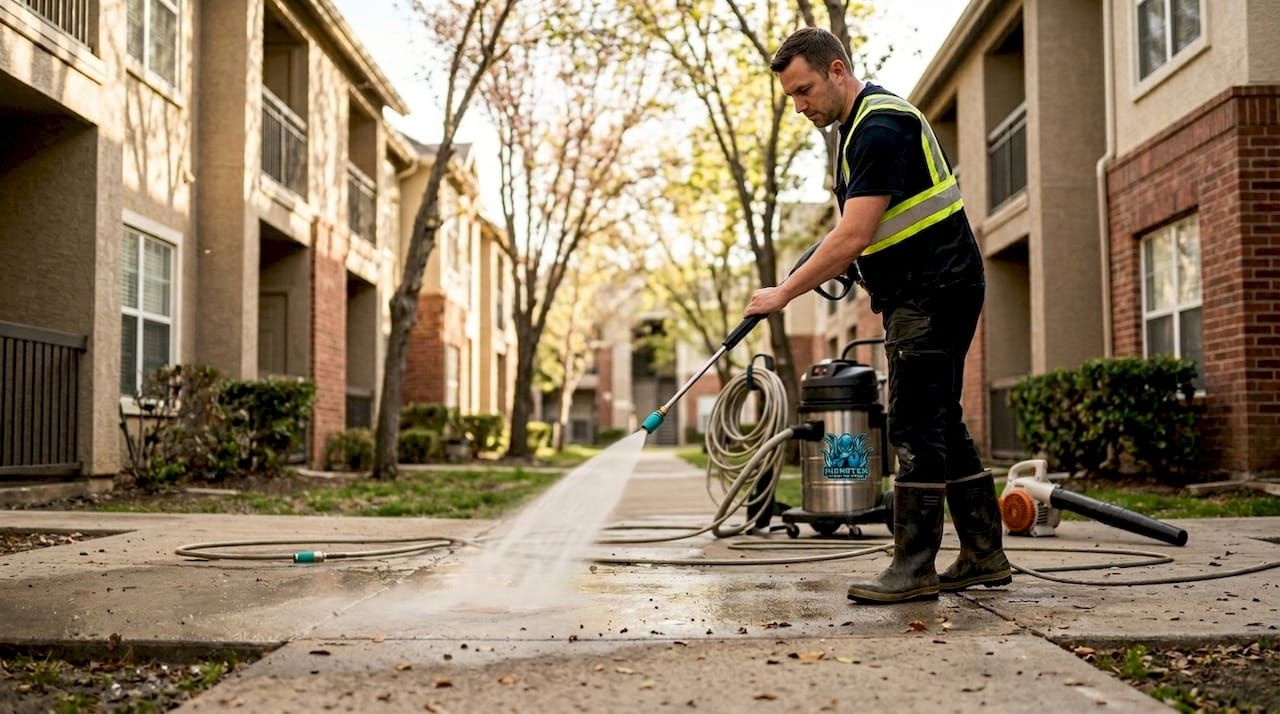
- Pressure washing: Uses high-pressure water to blast away dirt, grime, and buildup from concrete, siding, and walkways. Fast and effective for bulk cleaning, but can damage softer surfaces like wood or older painted finishes if misapplied.
- Soft washing: Applies low-pressure spray combined with specialized detergents. Ideal for roofs, painted surfaces, and older siding where high pressure would cause damage. It removes mold and algae at the root rather than just blasting the surface.
- Steam cleaning: Uses superheated water vapor to dissolve grease and oil, especially effective on garage entries and parking structures. Often requires no harsh chemicals, making it a strong eco-friendly option.
- Manual scrubbing: Targeted, labor-intensive cleaning for balconies, entryway doors, and tight corners where equipment can't reach. Slower but precise, and useful when you need to protect nearby surfaces or fixtures.
- Biodegradable chemical cleaning: Specially formulated solutions that break down mold, algae, and organic stains without harming landscaping, pets, or tenants. Safe for use around common areas and playgrounds.
- Sweeping and blowing: Dry debris removal using brooms or leaf blowers. Quick and essential for daily upkeep or post-storm cleanup before wet methods are applied.
Methodical exterior cleaning extends surface life and drives down long-term repair costs, which is why combining methods strategically matters more than picking just one.
Effective cleaning increases curb appeal and supports tenant retention.
Pro Tip: Layer your methods for better results. Sweep or blow loose debris first, then apply chemical treatment, then rinse with pressure or soft wash. Skipping steps leads to uneven results and wasted product.
For real-world applications, reviewing projects for multifamily buildings gives you a sense of how these methods perform across different property types. You can also explore the cleaning impact on property management and build a seasonal cleaning checklist to keep your schedule on track. For inspiration on curb appeal outcomes, yard clean-up examples show what consistent exterior care can achieve.
Side-by-side comparison of solutions
Let's make it easier to compare these options at a glance. Professional cleaning reduces repair costs and improves curb appeal, but only when you're using the right method for the right surface. This table breaks down the top methods across the factors that matter most to property managers.
| Method | Surface compatibility | Avg. cost | Tenant safety | Eco-friendly | Best for |
|---|---|---|---|---|---|
| Pressure washing | Concrete, brick, pavers | $$ | Moderate | Low | Driveways, walkways |
| Soft washing | Siding, roofs, painted surfaces | $$ | High | Moderate | Mold, algae, painted wood |
| Steam cleaning | Concrete, tile, metal | $$$ | High | High | Grease, oil stains |
| Manual scrubbing | Any surface | $ | High | High | Balconies, doors, trim |
| Biodegradable chemicals | Most surfaces | $ | Very High | Very High | Mold, algae, organic stains |
| Sweeping/blowing | All exterior areas | $ | Very High | Very High | Debris, leaves, post-storm |
Key takeaways from this comparison:
- If your priority is speed and volume, pressure washing wins for large concrete areas.
- If you're dealing with mold on siding or roofs, soft washing with biodegradable detergents is the safest and most effective combo.
- For eco-conscious properties or those near landscaping, steam cleaning and biodegradable chemicals are your best bets.
- Manual scrubbing costs less per session but adds up in labor hours. Use it selectively.
Clean exteriors boost property value over time, and choosing methods that protect surfaces rather than degrade them extends building lifespan significantly.
Situational recommendations for apartment properties
With this comparison in mind, here's how to match solutions to specific apartment property situations. Different problems call for different tools, and the best property managers know how to read the situation before calling in a crew.
Common situations that require targeted cleaning responses:
- Heavy mold or algae growth on building facades after wet seasons
- Frequent trash and debris buildup near dumpster enclosures
- High-traffic walkways with embedded dirt and slip-risk buildup
- Tree droppings (sap, berries, leaves) staining concrete or siding
- Grease accumulation near grilling stations or garage entries
Here's a quick-reference table to guide your decision-making:
| Scenario | Recommended solution | Key benefit |
|---|---|---|
| Sidewalk slip hazard | Pressure washing + anti-slip treatment | Reduces liability, improves safety |
| Mold on building exterior | Soft washing with biodegradable detergent | Removes mold at root, protects paint |
| Oil stains in parking garage | Steam cleaning | No harsh chemicals, deep penetration |
| Post-storm debris | Sweeping/blowing, then pressure rinse | Fast turnaround, prevents staining |
| Balcony buildup | Manual scrubbing | Precise, avoids damage to railings |
| Inspection prep | Full exterior wash + compliance check | Supports inspection compliance |
For seasonal shifts, adjust your schedule based on your climate. Properties in humid regions need more frequent mold treatments. Properties in dry climates deal more with dust and debris. Tenants appreciate advance notice before cleaning days, so build that into your scheduling process.
Budget-constrained managers should prioritize high-visibility and high-risk areas first: entryways, walkways, and parking structures. These directly affect tenant perception and safety liability. A cleaning guide for multi-family units can help you build a phased plan that fits your budget. For regulatory needs, follow compliance cleaning steps to make sure your property meets local standards. You can also find ideas to create unique curb appeal that sets your property apart from competitors.
Our perspective: Why smarter exterior cleaning pays off long-term
After considering the methods and their fit, here's our perspective as property experts. The biggest mistake we see property managers make is treating exterior cleaning as a line item to minimize rather than a strategy to optimize.
The least expensive cleaning plan almost always leads to higher long-term costs. Cheap chemicals damage surfaces. Low-frequency schedules let mold and grime embed deeper, requiring more aggressive and costly treatments later. Missed compliance issues create inspection failures and insurance headaches.
Regular cleaning is an investment, not just an expense. We've seen properties where consistent, tailored cleaning programs reduced surface repair frequency by years and kept tenant turnover low because people simply liked living in a well-maintained building.
The true cost of exterior cleaning is what you save in avoided problems.
Building a routine that matches your property's surfaces, climate, and tenant profile is what separates average maintenance from genuinely strong asset management. Explore how tenant satisfaction and value connect directly to your cleaning program.
Get expert help with your exterior cleaning needs
If you want flawless exterior results with less stress, partner with cleaning specialists who know multifamily properties.

At Monster Property Partners, we specialize in exterior cleaning programs built specifically for apartment buildings and multi-family units across Orlando and beyond. Our team understands regulatory compliance, handles difficult surfaces, and builds customized schedules that work around your tenants and budget. Whether you need multifamily exterior cleaning services or targeted solutions like common area concrete cleaning, we have the experience to deliver consistent, professional results. Reach out today to request a quote or a portfolio walkthrough tailored to your property's specific needs.
Frequently asked questions
Which exterior cleaning method is safest for siding and painted surfaces?
Soft washing is generally the safest option for siding and painted areas because it uses low-pressure spray and detergents that minimize surface damage while still eliminating mold and algae effectively.
How often should apartment properties schedule exterior cleaning?
Most apartment properties benefit from biannual main exterior cleaning, with additional touch-ups for high-traffic or high-risk zones. Regular cleaning extends surface life and keeps repair costs lower over time.
Does exterior cleaning affect property value or tenant retention?
Yes. Clean exteriors directly boost curb appeal, support higher property values, and help keep tenants who take pride in where they live.
What cleaning method works for stubborn oil stains on concrete?
Steam cleaning with superheated water is the most effective approach for oil stains in garages or parking lots, penetrating deep without requiring harsh chemical agents.
Are eco-friendly cleaning solutions as effective as traditional chemicals?
Biodegradable cleaning solutions can be just as effective as traditional chemicals for mold and algae, and they're safer around tenants and landscaping, making them a smart choice for occupied properties.
Recommended
- How to Assess Exterior Cleaning Needs for Apartments
- Top exterior cleaning projects for multifamily buildings
- Property Management Exterior Cleaning Insights | Monster Property Partners
- Exterior Maintenance Checklist Guide for Apartment Buildings
- Deep Cleaning Process for Builders: Ensure Project Perfection